Smith Machine Hip Raise: Glute Form, Sets, Tips & FAQ
Learn the Smith Machine Hip Raise for stronger glutes, better hip extension, and controlled lower-body training with setup, form cues, sets, mistakes, FAQs, and equipment.
Smith Machine Hip Raise
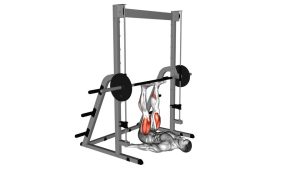
This exercise is excellent for building the gluteus maximus, improving hip lockout strength, and teaching the body to extend the hips without relying too much on the lower back. Because the bar moves vertically on the Smith machine rails, the lifter can focus more on foot placement, pelvic control, and glute contraction. It works best when every repetition is smooth, stable, and intentional.
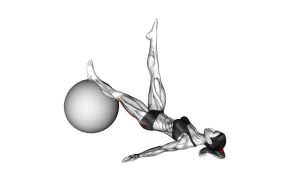
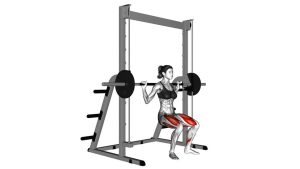
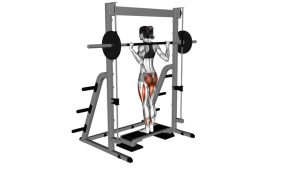
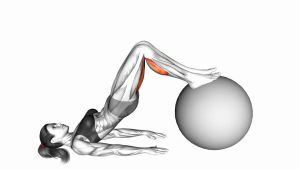
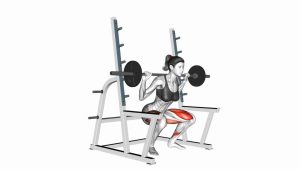
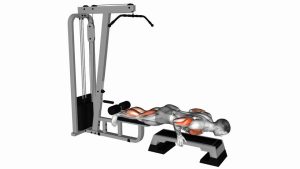
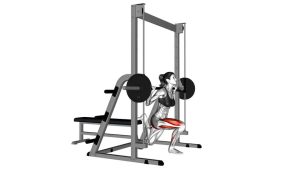
During the video movement, the lifter starts with the hips lowered, feet planted firmly, and the Smith machine bar positioned across the hip crease. The hips then rise under control until the body reaches a strong bridge position. At the top, the glutes contract hard while the torso stays braced. Then the hips lower slowly back down without bouncing or losing tension.
Quick Overview
| Body Part | Glutes |
|---|---|
| Primary Muscle | Gluteus maximus |
| Secondary Muscle | Hamstrings, adductors, core stabilizers, lower back stabilizers |
| Equipment | Smith machine, bar pad, bench or floor setup depending on variation |
| Difficulty | Beginner to Intermediate |
Sets & Reps (By Goal)
- Glute activation: 2–3 sets × 12–15 reps with light weight and a 1–2 second squeeze at the top.
- Muscle growth: 3–5 sets × 8–12 reps using moderate weight and controlled tempo.
- Strength development: 4–6 sets × 5–8 reps with heavier loading and full rest between sets.
- Beginner technique practice: 2–3 sets × 10–12 reps with a slow tempo and no rushing.
- Finisher or pump work: 2–4 sets × 15–20 reps using lighter weight and short rest periods.
Progression rule: Add weight only when you can reach full hip extension, pause at the top, and lower the bar under control without arching your lower back.
Setup / Starting Position
- Set the Smith machine bar low: Position the bar so it can rest across your hip crease when you are lying or seated in the starting position.
- Add a bar pad: Use a thick squat pad or hip thrust pad to protect the pelvis and reduce pressure on the hip bones.
- Position your upper body: For a floor-based hip raise, lie on your back. For a hip thrust version, place your upper back against a stable bench.
- Place the bar across the hips: The bar should sit directly over the hip crease, not on the stomach or too low on the thighs.
- Plant your feet: Keep both feet flat on the floor, about hip-width to shoulder-width apart. At the top, your shins should be close to vertical.
- Brace your core: Keep the ribs down and lightly tuck the pelvis so the movement comes from the hips instead of the lower back.
- Unlock the bar safely: Hold the bar with both hands, rotate it out of the hooks, and make sure it moves freely before beginning the first rep.
Setup matters. If your feet are too far away, the hamstrings may dominate. If your feet are too close, the quads may take over. Adjust foot placement until the top position feels strongest in the glutes.
Execution (Step-by-Step)
- Start from the bottom: Let the hips lower under control while keeping the bar stable across the hip crease.
- Drive through your heels: Push the floor away and begin lifting the hips upward. Keep your feet flat and avoid rolling onto the toes.
- Extend the hips: Raise the hips until your body forms a strong line from shoulders to hips to knees.
- Squeeze the glutes: Pause briefly at the top and contract the glutes hard without pushing the ribs upward.
- Control the pelvis: Keep the pelvis slightly tucked so the lower back does not take over the final part of the lift.
- Lower slowly: Bring the hips down with control while keeping tension in the glutes and hamstrings.
- Repeat smoothly: Begin the next rep without bouncing the bar or fully relaxing at the bottom.
Pro Tips & Common Mistakes
- Use a controlled tempo: Lift with power, pause briefly at the top, then lower slowly. This keeps tension on the glutes instead of relying on momentum.
- Do not overarch at the top: Many lifters mistake lower-back extension for hip extension. Stop when the hips are fully extended and the glutes are contracted.
- Keep the knees stable: Do not let the knees collapse inward. Keep them tracking in line with the toes.
- Drive through the midfoot and heel: Pushing mostly through the toes can shift tension away from the glutes and into the quads.
- Use the bar pad correctly: The pad should cushion the hip crease. If the bar feels painful, adjust placement before adding more load.
- Avoid bouncing off the bottom: Let the hips lower with control, then start the next rep from tension rather than rebound.
- Keep the chin neutral: Do not throw the head back. A neutral head position helps maintain better rib and pelvis control.
- Choose the right range: Full hip extension is useful, but forcing extra height usually turns the exercise into a lower-back movement.
FAQ
What muscles does the Smith Machine Hip Raise work?
The main target is the gluteus maximus. The hamstrings, adductors, core, and lower-back stabilizers also help control the movement, especially during the lowering phase.
Is the Smith Machine Hip Raise the same as a hip thrust?
It is very similar. A hip thrust usually uses a bench for upper-back support, while a hip raise may be done from the floor or with a shorter range. Both train hip extension and glute strength.
Should I feel this exercise in my lower back?
No. Some stabilizer activity is normal, but the main effort should come from the glutes. If your lower back feels dominant, reduce the weight, tuck the pelvis slightly, and stop overextending at the top.
Where should I place my feet?
Place your feet so your shins are close to vertical at the top. If your hamstrings cramp, move your feet a little closer. If your quads dominate, move your feet slightly farther away.
Is this exercise good for beginners?
Yes. The Smith machine adds stability, which can make the hip raise easier to learn than a free-weight barbell version. Beginners should start light and focus on smooth control.
Can I use this exercise for glute growth?
Yes. The Smith Machine Hip Raise is effective for glute hypertrophy when performed with enough load, clean range of motion, and a strong top-position contraction.
Recommended Equipment
- Hip Thrust Barbell Pad — protects the hip crease and makes loaded hip raises more comfortable.
- Smith Machine Bar Pad — useful for cushioning the bar during glute bridges, squats, and hip thrusts.
- Hip Thrust Bench — provides stable upper-back support for hip thrust variations.
- Glute Resistance Bands — helps cue knee position and adds extra glute medius activation.
- Weightlifting Gloves — improves grip when stabilizing and rotating the Smith machine bar.
Tip: The most useful item for this exercise is a thick hip thrust pad. It allows better comfort, stronger focus, and cleaner glute contraction when the load increases.