Incline Leg Hip Raise Straight Legs: Form, Benefits, Sets, Tips & FAQ
Learn how to do the Incline Leg Hip Raise with straight legs to target your lower abs, hip flexors, and deep core. Includes setup, execution, mistakes, FAQs, and equipment.
Incline Leg Hip Raise (Straight Legs)
This exercise is best for lifters who already understand basic leg raises and want a harder variation for the lower abs. Since the legs stay straight, the lever is long, which increases the demand on the core and hip flexors. However, the exercise should still feel controlled. Therefore, each rep should begin with a stable grip, a braced midsection, and a slow leg lift rather than a fast swing.
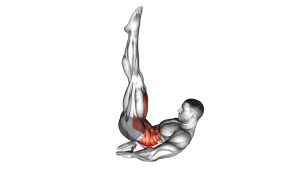
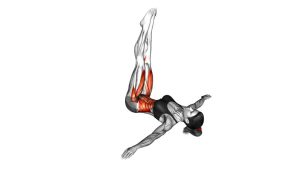
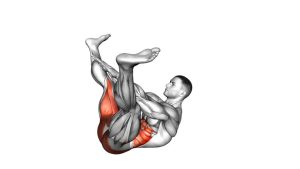
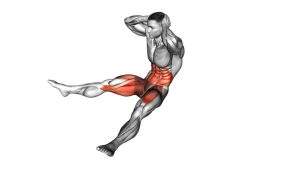
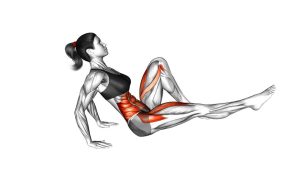
During the video, the movement shows a clean sequence: the athlete lies on an incline bench, grips the top for support, raises both straight legs together, then finishes with a small hip raise near the top. After that, the hips return to the bench first, and the legs lower under control. This pattern keeps tension on the abs and prevents the exercise from becoming only a hip-flexor movement.
Quick Overview
| Body Part | Abs |
|---|---|
| Primary Muscle | Rectus abdominis, especially the lower-ab emphasis through posterior pelvic tilt |
| Secondary Muscle | Hip flexors, obliques, transverse abdominis, deep core stabilizers |
| Equipment | Incline bench or adjustable bench |
| Difficulty | Intermediate to Advanced |
Sets & Reps (By Goal)
- Core strength: 3–4 sets × 6–10 controlled reps, resting 60–90 seconds between sets.
- Muscle growth / ab hypertrophy: 3–4 sets × 8–15 reps with slow lowering and a strong top squeeze.
- Control and technique: 2–3 sets × 6–8 reps using a smaller range and a slower tempo.
- Finisher: 2–3 sets × 10–15 reps near the end of an ab workout, stopping before form breaks.
Progression rule: First, improve control and range of motion. Then, increase reps. After that, raise the bench angle or slow the eccentric phase. Do not add difficulty if you must swing your legs to finish the rep.
Setup / Starting Position
- Set the bench on an incline: Use a moderate incline first. A steeper angle makes the exercise harder, so choose a level that allows strict control.
- Lie on your back: Position your head near the higher end of the bench and your hips lower on the pad. Keep your body centered so the movement stays balanced.
- Grip the bench firmly: Hold the top edge or handles behind your head. This grip should stabilize your torso, not pull your shoulders into a tense shrug.
- Extend your legs: Keep both legs straight and together. Point the toes slightly or keep the feet neutral, depending on what helps you maintain control.
- Brace your core: Lightly press your lower back toward the bench and prepare to move the legs as one unit. This helps prevent excessive lumbar arching.
Setup matters because the long straight-leg position increases leverage. As a result, a small loss of core tension can turn the exercise into a swing or create unwanted stress through the lower back.
Execution (Step-by-Step)
- Start with your legs low but controlled: Keep your feet slightly above the bench if possible. This keeps tension on the abs from the first second of the rep.
- Raise both legs together: Lift your straight legs upward in a smooth arc. Meanwhile, keep your ribs down and avoid pulling with your arms.
- Pass through the mid-range slowly: As your legs rise, maintain straight knees and steady breathing. Do not rush through this part, because it builds the most control.
- Lift the hips at the top: Once your legs reach near vertical, curl your pelvis upward and slightly lift your hips off the bench. This is the key lower-ab contraction.
- Squeeze briefly: Pause for a moment at the top. However, avoid throwing the hips upward with momentum. The lift should be small, clean, and deliberate.
- Return the hips first: Lower the hips back to the bench under control before lowering the legs.
- Lower the legs slowly: Bring the legs down until they are just above the bench. Then begin the next rep without fully relaxing.
Pro Tips & Common Mistakes
Pro Tips
- Think “curl the pelvis,” not “kick the legs”: This cue helps shift the focus from hip flexors to abs.
- Control the lowering phase: The eccentric portion is where many people lose tension. Therefore, lower slowly and stop before your back arches.
- Keep the legs together: This improves symmetry and helps you avoid twisting through the pelvis.
- Use the bench grip for stability: Your hands should anchor your torso, but they should not create excessive neck or shoulder tension.
- Exhale near the top: A controlled exhale can help you pull the ribs down and complete the hip raise.
Common Mistakes
- Swinging the legs: Momentum reduces ab tension and makes the exercise less effective.
- Skipping the hip raise: Without the pelvic curl, the movement becomes mostly a straight-leg raise.
- Arching the lower back: This usually happens when the legs lower too far or the core is not braced.
- Bending the knees too much: Slight knee softness is acceptable, but excessive bending changes the exercise.
- Using too steep of an incline too soon: A high incline increases difficulty. Start moderate, then progress.
FAQ
Is the Incline Leg Hip Raise good for lower abs?
Yes. It strongly challenges the lower-ab region because the hips lift into posterior pelvic tilt at the top. However, the lower abs work best when you control the movement instead of swinging the legs.
What is the difference between an incline leg raise and an incline leg hip raise?
An incline leg raise focuses mainly on lifting the legs. In contrast, an incline leg hip raise adds a small hip curl at the top. Because of that hip lift, the abs work harder to move the pelvis, not just stabilize the legs.
Should my legs stay completely straight?
Ideally, yes. Straight legs create a longer lever and make the exercise more demanding. However, if your lower back arches or your hips feel strained, use a slight knee bend until your control improves.
Why does my lower back hurt during this exercise?
Lower-back discomfort often happens when the legs drop too low, the bench angle is too steep, or the core loses tension. Reduce the range, slow down, and keep your lower back closer to the bench.
Is this exercise beginner-friendly?
It is usually better for intermediate and advanced trainees. Beginners can start with bent-knee reverse crunches, flat bench leg raises, or bent-knee incline hip raises before progressing to straight legs.
Recommended Equipment
- Adjustable Weight Bench — essential for setting the incline angle and performing the movement safely.
- Incline Sit-Up Bench — useful if you want a dedicated bench for ab exercises and decline/incline core work.
- Thick Exercise Mat — helpful for warm-up core drills, reverse crunches, and floor-based ab progressions.
- Adjustable Ankle Weights — optional advanced progression once you can perform strict reps without swinging.
- Ab Straps — useful for progressing into hanging leg raises and hanging knee raise variations.
Tip: Choose equipment that helps you control the exercise, not equipment that forces harder reps too early. For this movement, clean technique is more valuable than extra resistance.