Standing Plate Press: Proper Form, Muscles Worked, Sets, Tips & FAQ
Learn how to do the Standing Plate Press with proper form. Discover muscles worked, setup, execution steps, sets and reps by goal, common mistakes, FAQs, and recommended equipment.
Standing Plate Press
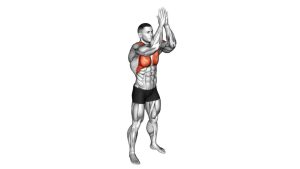
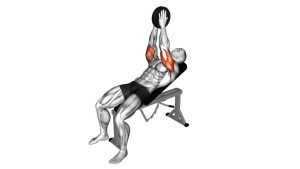
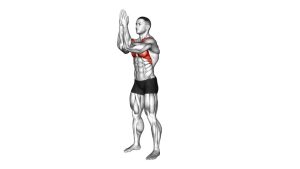
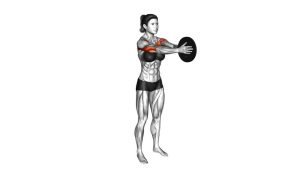
This movement works best when you treat it as a tension exercise, not a max-strength press. The chest should stay active from the first second of the rep to the last because the plate is being squeezed between the hands while it moves away from and back toward the body. When done correctly, you will feel strong contraction through the pecs, with assistance from the front delts and triceps.
Quick Overview
| Body Part | Chest |
|---|---|
| Primary Muscle | Pectoralis major |
| Secondary Muscle | Anterior deltoids, triceps, forearms, core stabilizers |
| Equipment | Weight plate |
| Difficulty | Beginner to Intermediate |
Sets & Reps (By Goal)
- Muscle growth: 3-4 sets × 10-15 reps with controlled tempo and constant squeeze
- Chest finisher / pump work: 2-3 sets × 15-20 reps with short 20-45 sec rest
- Mind-muscle connection: 2-4 sets × 8-12 reps with a 1-2 sec squeeze at full extension
- Light conditioning circuit: 2-3 rounds × 12-20 reps using a lighter plate
Progression rule: Increase control, squeeze quality, time under tension, or reps before jumping to a heavier plate. Better chest tension usually matters more here than heavier loading.
Setup / Starting Position
- Stand tall: Place your feet about hip- to shoulder-width apart and keep a soft bend in the knees.
- Brace the torso: Keep your ribs down, abs lightly engaged, and spine neutral to avoid leaning back.
- Hold the plate at chest level: Grip the plate on both sides and press your palms inward against it.
- Set your elbows: Keep them slightly bent and positioned comfortably under or slightly out from the hands.
- Pack the shoulders: Keep the shoulders down and away from the ears before you begin pressing.
Tip: A lighter plate often works better than expected because the exercise becomes harder when you maintain continuous squeeze pressure throughout each rep.
Execution (Step-by-Step)
- Create tension first: Squeeze the plate firmly between your hands before the plate moves.
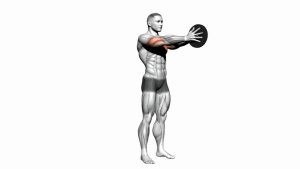
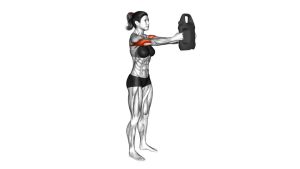
- Press straight forward: Extend your arms in front of your chest in a horizontal path while keeping the plate level.
- Stop just short of elbow lockout: Reach forward until your arms are nearly straight without losing shoulder position.
- Pause and squeeze: Briefly hold the plate out front and focus on contracting the chest hard.
- Return under control: Bring the plate back to chest height slowly without letting the tension disappear.
- Repeat smoothly: Continue each rep with the same path, posture, and inward pressing force.
Pro Tips & Common Mistakes
- Squeeze continuously: The press becomes much more effective when you keep inward pressure on the plate the entire time.
- Do not rush reps: A slow, controlled rhythm keeps the pecs under tension longer.
- Avoid leaning back: Compensating with the lower back usually means the plate is too heavy.
- Keep shoulders relaxed: Shrugging shifts tension away from the chest and into the traps.
- Do not slam into lockout: Keep a slight bend in the elbows to preserve smoother tension.
- Use it as an accessory: This exercise works especially well after presses, flyes, or push-up variations.
- Stay level at chest height: Pressing too high turns it into more of a front-delt exercise.
FAQ
What muscles does the Standing Plate Press work most?
The main target is the chest, especially the pectoralis major. The front delts and triceps assist the movement, while the forearms and core help stabilize the plate and body position.
Is the Standing Plate Press good for inner chest?
It can be very useful for improving chest contraction and squeeze-based tension, which is why many lifters use it for “inner chest” emphasis. While you cannot isolate one tiny section of the chest completely, the squeeze component often helps people feel stronger pec engagement.
Should I use a heavy or light plate?
Start lighter than you think. Because this exercise depends on continuous squeezing and control, a moderate or even light plate can feel challenging when your form is strict.
Where should the plate travel?
The plate should move in a straight line forward from the chest and return along that same path. Keeping it level helps maintain better tension on the pecs.
When should I place this exercise in a workout?
Most people get the best results using it as an accessory or finisher after heavier chest movements such as bench presses, machine presses, or push-ups.
Recommended Equipment
- Grip Weight Plates — ideal for this exercise because the handles make plate control and hand placement easier
- Olympic Weight Plates — useful if you want durable plates in multiple sizes for progressive overload
- Weight Lifting Gloves — can improve grip comfort and reduce slipping during high-rep squeeze work
- Exercise Mat — helpful for creating a safer training area and pairing the movement with floor-based chest work
- Home Gym Floor Mat — protects flooring and gives you a more stable surface for standing resistance work
Tip: For this exercise, a plate with a comfortable grip and manageable weight is usually more valuable than simply choosing the heaviest option.