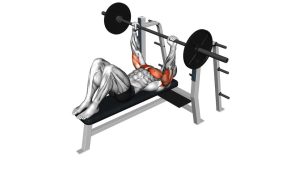
Bodyweight Standing Pec Deck: Chest Fly Form, Sets, Tips & FAQ
Learn the Bodyweight Standing Pec Deck to activate your chest with no equipment. Includes form cues, sets, mistakes, FAQs, and gear.
Bodyweight Standing Pec Deck
This exercise is best used as a warm-up, activation drill, beginner chest movement, or low-impact finisher. Because there is no external load, the quality of each repetition matters more than speed or range. Keep the elbows slightly bent, move from the shoulders, and focus on bringing the upper arms toward the centerline of the body.
Quick Overview
| Body Part | Chest |
|---|---|
| Primary Muscle | Pectoralis major |
| Secondary Muscle | Anterior deltoids, serratus anterior, shoulder stabilizers |
| Equipment | None |
| Difficulty | Beginner |
Sets & Reps (By Goal)
- Chest activation: 2–3 sets × 12–20 reps with a 1–2 second squeeze
- Warm-up before pressing: 1–2 sets × 10–15 controlled reps
- Mind-muscle connection: 3 sets × 15–25 slow reps
- Low-impact chest finisher: 2–4 sets × 20–30 reps with short rest
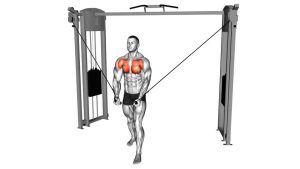
Progression rule: First increase control, squeeze time, and rep quality. For more resistance, progress to a resistance band chest fly or cable fly.
Setup / Starting Position
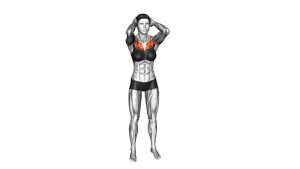
- Stand tall: Place your feet about hip-width to shoulder-width apart.
- Brace lightly: Keep your ribs stacked, core gently engaged, and spine neutral.
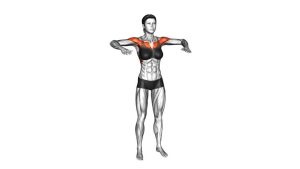
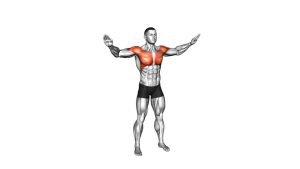
- Raise your arms: Bring both arms out to the sides at about chest height.
- Set the elbows: Keep a soft bend in the elbows and maintain that same angle throughout the rep.
- Open the chest: Keep the shoulders relaxed and avoid shrugging before you begin.
Execution (Step-by-Step)
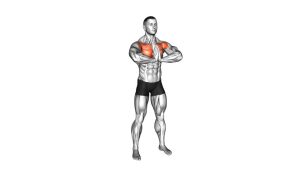
- Start wide: Begin with your arms open to the sides and your chest lifted.
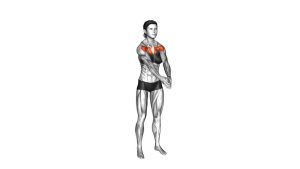
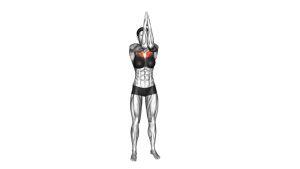
- Bring the arms forward: Move your arms in a smooth arc as if closing a pec deck machine.
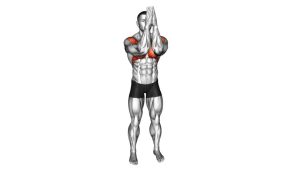
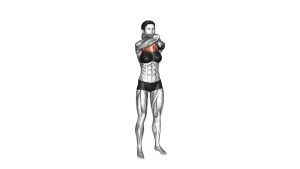
- Squeeze the chest: Bring the hands close together in front of the chest and contract the pecs.
- Pause briefly: Hold the front position for 1–2 seconds without shrugging.
- Return slowly: Open the arms back to the starting position with control.
- Repeat cleanly: Keep every rep slow, smooth, and focused on chest tension.
Pro Tips & Common Mistakes
- Think “hug the air”: This cue helps you move in a chest-fly pattern instead of pressing forward.
- Keep elbows slightly bent: Locked elbows can make the movement feel stiff and uncomfortable.
- Do not shrug: Keep the shoulders away from the ears to reduce neck and trap compensation.
- Avoid rushing: Fast reps remove tension from the chest and reduce the value of the exercise.
- Do not collapse posture: Keep the chest lifted and avoid rounding the upper back at the front.
- Squeeze with control: The front position should feel like an active chest contraction, not just hands touching.
- Use it before push-ups or presses: It works well before push-ups, bench press, dumbbell press, or cable flys.
FAQ
What muscles does the Bodyweight Standing Pec Deck work?
It mainly targets the pectoralis major, especially through shoulder horizontal adduction. The front deltoids and shoulder stabilizers assist, but the main focus should stay on the chest squeeze.
Is the Bodyweight Standing Pec Deck good for building muscle?
It can help with chest activation and muscular control, but it is not the best heavy muscle-building exercise by itself. For hypertrophy, use it with harder movements such as push-ups, dumbbell flys, cable flys, or machine pec deck work.
Should my hands touch at the front?
They can come close or lightly touch, but the main goal is not hand contact. The goal is to squeeze the chest while keeping the shoulders controlled and the elbows softly bent.
Why do I feel this more in my shoulders than my chest?
You may be shrugging, moving too fast, or reaching too far forward. Slow down, keep the chest lifted, and focus on bringing the upper arms inward instead of simply moving the hands.
Can beginners do this exercise?
Yes. It is beginner-friendly because it uses no external load and allows you to practice chest contraction safely. Beginners should start with slow reps and a short squeeze at the front.
Recommended Equipment
- Resistance Bands Set — useful for progressing this movement into a band chest fly.
- Door Anchor for Resistance Bands — allows better chest fly angles at home.
- Adjustable Dumbbells — useful for progressing to dumbbell flys and chest presses.
- Exercise Mat — helpful for pairing this drill with push-ups and floor chest work.
- Push-Up Bars — supports wrist comfort and chest-focused push-up progressions.
Tip: Use the bodyweight version first to learn chest tension, then add bands, dumbbells, or cables when you need more resistance.