Standing Quadriceps Stretch: Proper Form, Benefits, Tips & FAQ
Learn the Standing Quadriceps Stretch for better quad flexibility, hip mobility, posture control, setup, form tips, common mistakes, FAQs, and gear.
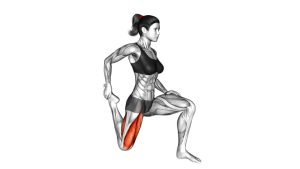
Standing Quadriceps Stretch
This stretch works best when the body stays upright and the knees remain close together. Many people make the mistake of arching the lower back or pulling the foot too aggressively. For better results, lightly tuck the pelvis, keep the ribs stacked, and let the stretch build gradually. You should feel a comfortable lengthening sensation across the quadriceps, especially through the rectus femoris, not sharp knee pain or lower-back pressure.
Quick Overview
| Body Part | Quads |
|---|---|
| Primary Muscle | Quadriceps, especially rectus femoris |
| Secondary Muscle | Hip flexors, iliopsoas area, lower-leg stabilizers, core stabilizers |
| Equipment | No equipment required; optional wall, chair, yoga strap, or balance support |
| Difficulty | Beginner-friendly |
Sets & Reps (By Goal)
- General flexibility: 2–3 sets × 20–30 seconds per side
- Post-workout cool-down: 2 sets × 30–45 seconds per side
- Mobility improvement: 3–4 sets × 30–60 seconds per side with slow breathing
- Beginner balance practice: 1–2 sets × 15–25 seconds per side using wall support
Progression rule: Increase hold time first before trying to pull the heel closer. The stretch should become smoother and more relaxed, not more painful.
Setup / Starting Position
- Stand tall beside a wall: Place one hand on a wall, rack, chair, or stable object for balance.
- Shift weight to one leg: Keep the standing foot planted and the knee softly extended without locking aggressively.
- Bend the opposite knee: Bring the heel toward the glutes and hold the ankle or top of the foot with the same-side hand.
- Align the knees: Keep both knees close together instead of letting the stretching knee flare outward.
- Stack your posture: Keep the chest lifted, ribs controlled, pelvis lightly tucked, and eyes forward.
If you cannot reach your foot comfortably, use a towel or yoga strap around the ankle instead of twisting your body.
Execution (Step-by-Step)
- Set your balance: Stand upright and lightly hold the wall for support.
- Grip the ankle: Bend one knee and hold the ankle or foot behind you without pulling suddenly.
- Bring the heel closer: Gently draw the heel toward the glutes until you feel a stretch in the front thigh.
- Tuck the pelvis slightly: Think about bringing the hips forward without arching the lower back.
- Hold and breathe: Maintain the stretch for the target time while breathing slowly and keeping the torso tall.
- Release with control: Let go slowly, place the foot back down, reset your balance, and repeat on the other side.
Pro Tips & Common Mistakes
- Keep the knees close: Letting the stretching knee drift outward reduces control and changes the line of stretch.
- Do not arch the lower back: A strong back arch often means you are compensating instead of stretching the quad well.
- Use support when needed: Holding a wall allows better posture and a safer stretch.
- Avoid bouncing: This is a static stretch, so hold the position calmly instead of pulsing aggressively.
- Keep the stretch comfortable: Aim for moderate tension, not pain.
- Control the foot grip: Hold the ankle gently and avoid pulling the foot into an uncomfortable knee angle.
- Breathe slowly: Relaxed breathing helps reduce unnecessary tension and improves the quality of the hold.
FAQ
Where should I feel the Standing Quadriceps Stretch?
You should feel it mainly through the front of the thigh. Some people may also feel a light stretch near the front of the hip because the rectus femoris crosses both the hip and knee.
Is the Standing Quadriceps Stretch good after leg workouts?
Yes. It is commonly used after squats, lunges, leg presses, running, cycling, or other lower-body sessions to reduce tightness and restore comfortable quad length.
Should I use a wall for this stretch?
Using a wall is recommended if balance limits your form. Better balance usually means better posture, safer knee positioning, and a cleaner stretch.
Why do I feel this stretch in my knee?
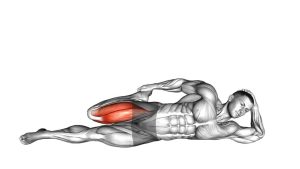
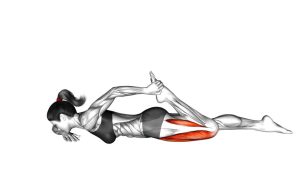
Knee discomfort may happen if you pull the foot too hard, bend the knee beyond a comfortable range, or twist the leg. Reduce the pull, use a strap, or choose a side-lying quad stretch if needed.
How long should I hold the Standing Quadriceps Stretch?
Most people do well with 20–45 seconds per side. For flexibility-focused sessions, you can work up to 60 seconds as long as the stretch remains comfortable and controlled.
Recommended Equipment (Optional)
- Yoga Strap for Stretching — helpful if you cannot comfortably reach your ankle.
- Non-Slip Exercise Mat — provides stable footing during warm-ups, mobility work, and stretching.
- Balance Pad — useful for advanced balance training once basic form is controlled.
- Foam Roller for Quads — useful before stretching to reduce thigh tension and improve comfort.
- Stretching Strap with Loops — gives better grip options for controlled quad and hip-flexor stretching.
Tip: Equipment is optional. The most important tools are balance, relaxed breathing, and controlled posture.