Suspender Single-Leg Plank: Core Stability, Form, Sets & Tips
Learn the Suspender Single-Leg Plank to build core stability, anti-rotation strength, shoulder control, and full-body tension with safe form.
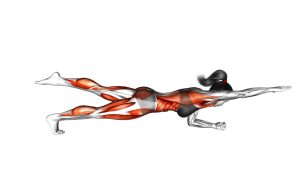
Suspender Single-Leg Plank (Straight-Arm)
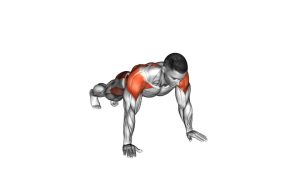
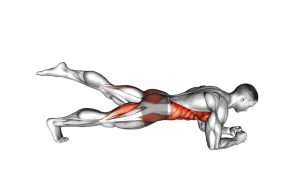
This movement looks simple, yet it demands full-body tension from the first second. The hands stay planted under the shoulders, the arms remain straight, and the suspended foot creates constant instability. Meanwhile, the free leg removes support from the floor, which forces the abs, obliques, glutes, and shoulders to work harder together. As a result, the exercise trains more than the front of the core. It also improves body control, pelvic alignment, scapular stability, and anti-rotation strength.
For best results, focus on a still, long, and controlled plank. Do not chase movement or speed. Instead, brace the midsection, squeeze the glutes, push the floor away, and keep the hips square. If the straps swing, slow down and regain control before continuing. In addition, keep every rep or hold clean because this exercise rewards precision more than duration.
Quick Overview
| Body Part | Core |
|---|---|
| Primary Muscle | Rectus abdominis, transverse abdominis, and obliques |
| Secondary Muscle | Shoulders, serratus anterior, glutes, hip flexors, chest, triceps, and lower-back stabilizers |
| Equipment | Suspension trainer / suspender straps |
| Difficulty | Intermediate to Advanced |
Sets & Reps (By Goal)
- Core stability: 3–4 sets × 15–30 seconds per side with slow, controlled breathing.
- Anti-rotation strength: 3–5 sets × 10–20 seconds per side while keeping the hips completely level.
- Shoulder stability: 2–4 sets × 20–30 seconds, focusing on pushing the floor away through straight arms.
- Advanced conditioning: 3–4 rounds × 20–40 seconds per side with 45–75 seconds rest between rounds.
- Technique practice: 2–3 sets × 8–15 seconds per side, especially if the straps swing too much.
Progression rule: First increase control, then increase hold time. After that, you can extend the lever, slow the breathing, or reduce rest. However, never progress if your hips rotate, your lower back sags, or your shoulders collapse.
Setup / Starting Position
- Adjust the straps: Set the suspension trainer so the foot cradles hang low enough for a plank position. The straps should feel secure and even before you begin.
- Place one foot in the strap: Put one foot into the foot cradle and extend that leg behind you. Then position your hands on the floor under your shoulders.
- Lift into a straight-arm plank: Press through your palms, straighten your elbows, and create a long line from your head through your suspended heel.
- Raise the free leg: Lift the non-suspended leg slightly off the floor. Keep it straight and aligned with the rest of your body.
- Brace before holding: Tighten your abs, squeeze your glutes, and keep your ribs pulled down. At the same time, keep your neck neutral and your gaze slightly forward on the floor.
Execution (Step-by-Step)
- Start in a strong plank: Press the floor away and keep your arms locked without hyperextending the elbows. This creates a stable base through the shoulders.
- Brace your core: Pull your ribs down slightly and tighten your abs as if preparing for a light punch. Meanwhile, keep your breathing controlled.
- Lift and hold the free leg: Raise the non-suspended leg just high enough to clear the floor. Avoid kicking it too high because that can arch the lower back.
- Resist rotation: Keep both hip bones facing the floor. If the strap pulls your body sideways, counter it with your obliques and glutes rather than twisting.
- Maintain shoulder position: Keep your shoulders away from your ears. Also, push through the hands so the shoulder blades stay stable and slightly protracted.
- Hold with control: Stay long from head to heel. Continue breathing while keeping the torso rigid and the straps calm.
- Finish safely: Lower the free leg first, then bring the suspended foot down or step out of the straps carefully. Do not collapse out of the position.
Pro Tips & Common Mistakes
- Push the floor away: This helps activate the serratus anterior and keeps the shoulders stable. As a result, the upper body feels stronger and safer.
- Keep the hips square: The main goal is to resist rotation. Therefore, avoid letting one hip open toward the side.
- Do not lift the free leg too high: A small lift is enough. If you lift too high, your lower back may arch.
- Avoid shoulder sinking: Do not hang between your shoulder blades. Instead, stay active through the arms and upper back.
- Control the straps: Some strap movement is normal. However, excessive swinging usually means the core is losing control.
- Keep your neck neutral: Do not look too far forward or tuck the chin aggressively. A relaxed, neutral head position works best.
- Brace before fatigue breaks form: End the set while your body line is still clean. Quality is more important than holding longer.
- Use a regression when needed: If this version is too difficult, place both feet in the straps or perform a regular floor plank first.
FAQ
What muscles does the Suspender Single-Leg Plank work?
It mainly targets the abs, obliques, and deep core stabilizers. In addition, it works the shoulders, serratus anterior, glutes, hip flexors, triceps, and lower-back stabilizers because the body must stay rigid against strap movement.
Is the Suspender Single-Leg Plank good for abs?
Yes. It is excellent for abs because it trains the core to resist extension, rotation, and unwanted movement. Unlike basic crunches, it also teaches the core to stabilize the entire body during a challenging plank position.
Is this exercise beginner-friendly?
Not usually. The single-leg version is better for intermediate and advanced users. Beginners should first master a regular plank, straight-arm plank, and two-foot suspension plank before attempting this variation.
Why do my hips rotate during the exercise?
Hip rotation usually happens when the obliques and glutes cannot fully control the suspended-leg instability. To fix it, shorten the hold, lower the free leg closer to the floor, widen your hands slightly, and focus on keeping both hip bones facing down.
How long should I hold the Suspender Single-Leg Plank?
Most people should start with 10–20 seconds per side. After your control improves, progress toward 30–40 seconds. However, stop the set once your hips sag, your shoulders sink, or the straps swing too much.
Can I do this exercise at home?
Yes. You only need a secure suspension trainer setup and enough floor space. Make sure the anchor point is strong, stable, and designed to handle bodyweight exercises before you begin.
Recommended Equipment
- Suspension Trainer System — the main tool needed for suspended plank variations and full-body bodyweight training.
- Suspension Trainer Door Anchor — useful for setting up suspension exercises at home when a fixed anchor is not available.
- Thick Exercise Mat — protects the hands and improves comfort during straight-arm plank holds.
- Push-Up Handles — optional support for users who need a more wrist-friendly straight-arm plank position.
- Non-Slip Training Shoes — help keep the foot secure and stable during suspension trainer setup and transitions.
Tip: Always inspect your suspension trainer, straps, buckles, and anchor point before use. Since this exercise places high demand on stability, secure equipment is essential for safe performance.