Wrist Flexion Exercise: Safe Form, Sets, Tips & FAQ
Learn the Wrist Flexion exercise to strengthen the forearm flexors, improve wrist control, grip support, and lower-arm endurance with proper form, sets, tips, FAQs, and equipment.
Wrist Flexion
Wrist flexion is a small but highly valuable movement for athletes, lifters, climbers, racket-sport players, and anyone who wants stronger, more resilient wrists. Because the wrist joint is sensitive, this exercise should be performed with light resistance, smooth control, and a comfortable range of motion.
Quick Overview
| Body Part | Forearms |
|---|---|
| Primary Muscle | Wrist flexors / Forearm flexor group |
| Secondary Muscle | Finger flexors, grip muscles, wrist stabilizers |
| Equipment | None, dumbbell, resistance band, or light wrist weight |
| Difficulty | Beginner |
Sets & Reps (By Goal)
- Warm-up / mobility control: 1–2 sets × 10–15 slow reps per side
- Forearm endurance: 2–3 sets × 15–25 reps with light resistance
- Strength development: 3–4 sets × 8–12 reps with controlled resistance
- Rehab-style control: 2–3 sets × 8–12 reps using pain-free range only
- Grip support accessory work: 2–4 sets × 12–20 reps after upper-body training
Progression rule: Add reps first, then slightly increase resistance. Never sacrifice wrist control for heavier weight.
Setup / Starting Position
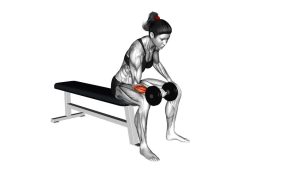
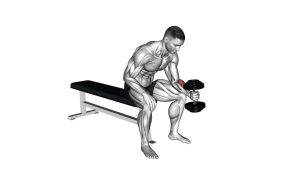
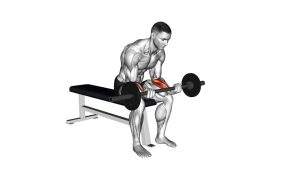
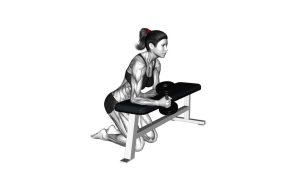
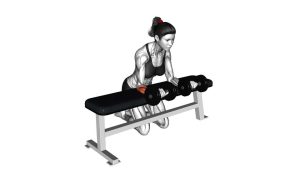
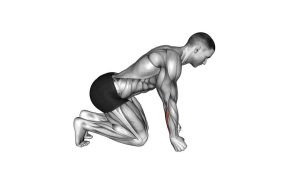
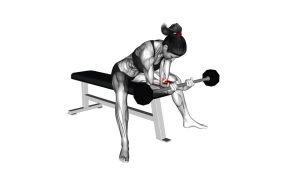
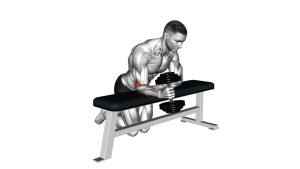
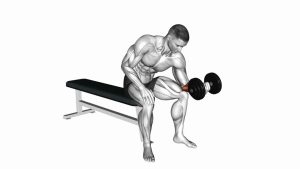
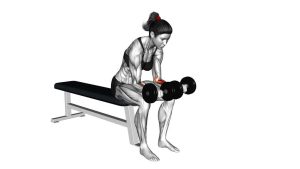
- Choose your position: Sit or stand with your forearm supported on a bench, thigh, or stable surface.
- Set the wrist free: Let your hand extend just past the edge so the wrist can move without restriction.
- Turn the palm upward: Keep the palm facing the ceiling if using the classic wrist flexion position.
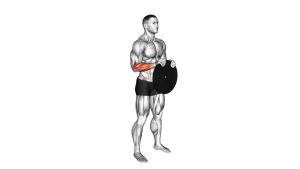
- Hold light resistance: Use a dumbbell, band, or no weight depending on your goal and comfort level.
- Stabilize the forearm: Keep the elbow and forearm still so the movement comes only from the wrist.
Start with a very light load. Wrist flexion is most effective when the motion is precise and controlled.
Execution (Step-by-Step)
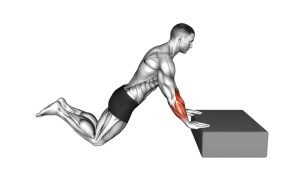
- Begin in a gentle stretch: Allow the wrist to lower slightly into extension without collapsing or forcing the joint.
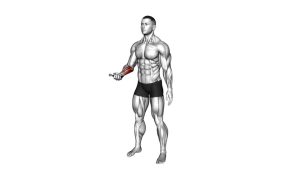
- Curl the wrist upward: Flex the wrist by lifting the palm toward the forearm.
- Keep the forearm still: Do not lift the elbow, rotate the arm, or use shoulder movement.
- Squeeze briefly at the top: Pause for 1 second when the wrist reaches a strong but comfortable contraction.
- Lower slowly: Return to the starting position under control for 2–3 seconds.
- Repeat smoothly: Keep every rep consistent, avoiding bouncing or fast dropping.
Pro Tips & Common Mistakes
- Use light resistance first: The wrist joint does not need heavy loading to respond well.
- Move only from the wrist: Keep the forearm, elbow, and shoulder still.
- Control the lowering phase: The eccentric portion is important for tendon strength and forearm control.
- Avoid bouncing at the bottom: Dropping into the stretch can irritate the wrist or forearm.
- Keep your grip controlled: Do not squeeze so hard that the movement becomes tense and stiff.
- Train both sides evenly: Perform the same reps and sets on each wrist.
- Stop before pain: Mild muscular fatigue is fine; sharp wrist or tendon pain is not.
FAQ
What muscles does wrist flexion work?
Wrist flexion mainly works the forearm flexor muscles, including the wrist flexors and finger flexors. These muscles help bend the wrist, support grip strength, and stabilize the hand during lifting and daily activities.
Is wrist flexion good for grip strength?
Yes. Wrist flexion can support grip strength by strengthening the forearm flexors and improving wrist stability. For best results, combine it with grip holds, wrist extension work, and forearm endurance exercises.
Should I use heavy weight for wrist flexion?
No. This exercise works best with light-to-moderate resistance and strict control. Heavy weight often causes swinging, elbow movement, or wrist irritation.
How often can I train wrist flexion?
Most people can perform wrist flexion 2–4 times per week depending on recovery. If you are using it for light mobility or rehab-style control, lower-intensity practice may be done more often.
Why does my wrist hurt during wrist flexion?
Pain may come from using too much weight, moving too fast, forcing range, or training through irritation. Reduce the load, shorten the range, and stop if pain continues.
Recommended Equipment
- Adjustable Dumbbells — ideal for gradually progressing wrist flexion resistance.
- Light Dumbbell Set — useful for beginners who need small weight jumps.
- Resistance Bands Set — provides smooth tension for controlled wrist flexion drills.
- Wrist Strengthener — helpful for targeted wrist and forearm conditioning.
- Forearm Trainer — supports grip, wrist, and lower-arm endurance training.
Choose equipment that allows smooth, pain-free motion. For wrist training, lighter resistance with better control is usually more effective than heavy loading.