Standing Wrist Rotation: Forearm Mobility, Wrist Control, Sets, Tips & FAQ
Learn the Standing Wrist Rotation to improve forearm mobility, wrist control, pronation, supination, and joint stability with step-by-step form, sets, mistakes, FAQs, and equipment.
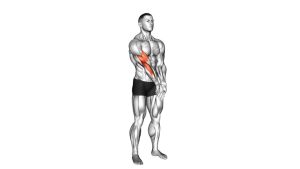
Standing Wrist Rotation
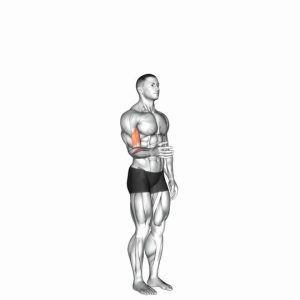
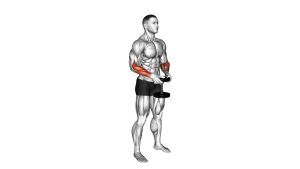
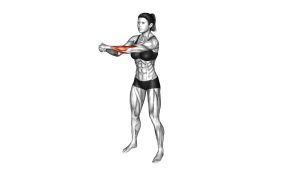
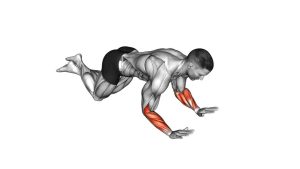
This exercise is ideal as a warm-up before curls, grip training, push-ups, pull-ups, racket sports, climbing, typing-heavy work, or any training session that stresses the wrists and forearms. It helps improve joint awareness, blood flow, and movement quality without needing equipment.
Quick Overview
| Body Part | Forearms |
|---|---|
| Primary Muscle | Forearm pronators and supinators |
| Secondary Muscle | Wrist flexors, wrist extensors, brachioradialis, grip stabilizers |
| Equipment | None |
| Difficulty | Beginner |
Sets & Reps (By Goal)
- General wrist warm-up: 1–2 sets × 10–15 rotations each direction
- Forearm mobility: 2–3 sets × 12–20 slow reps
- Control and coordination: 2–4 sets × 8–12 reps with 2-second pauses
- Desk break / recovery drill: 1–2 sets × 30–45 seconds
Progression rule: First improve smoothness, range, and control. After that, progress by slowing the tempo or adding light resistance with a small object, not by forcing rotation.
Setup / Starting Position
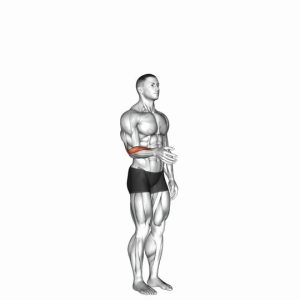
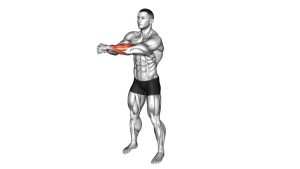
- Stand tall: Keep your feet about hip-width apart and your posture relaxed.
- Set the arms: Hold your arms in front of your body with elbows slightly bent.
- Keep elbows stable: The elbows should stay close to the torso without flaring wide.
- Relax the shoulders: Avoid shrugging, bracing, or lifting the traps.
- Start neutral: Hands begin in a comfortable neutral position with wrists straight.
Tip: Imagine your forearms are rotating like a controlled dial. The motion should come from the forearm rotation, not from swinging the whole arm.
Execution (Step-by-Step)
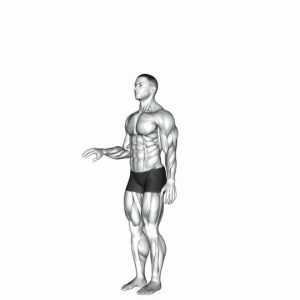
- Begin in neutral: Stand upright with your hands in front of you and wrists straight.
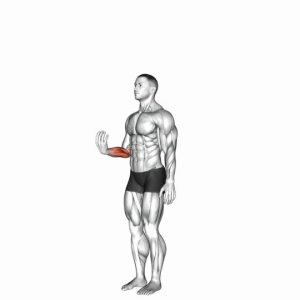
- Rotate outward: Slowly turn the palms upward into supination.
- Pause briefly: Hold the end position for 1–2 seconds without forcing the range.
- Rotate inward: Turn the palms downward into pronation with the same control.
- Pause again: Feel the forearms working while keeping the shoulders relaxed.
- Repeat smoothly: Continue alternating between palms-up and palms-down positions.
Pro Tips & Common Mistakes
- Move slowly: Fast twisting usually reduces control and increases joint irritation.
- Keep wrists straight: Avoid bending the wrists up, down, or sideways during rotation.
- Do not force end range: Rotate only as far as your joints comfortably allow.
- Keep elbows quiet: The elbows can bend slightly, but they should not swing around.
- Relax the fingers: Do not clench the hands unless you are intentionally adding grip work.
- Use both directions equally: Train pronation and supination with the same control.
- Breathe normally: This should feel like a mobility drill, not a max-effort strain.
FAQ
What muscles does the Standing Wrist Rotation work?
It mainly trains the forearm muscles responsible for pronation and supination. These include the pronator teres, pronator quadratus, supinator, and supporting wrist stabilizers.
Is this exercise good before arm workouts?
Yes. It works well before curls, reverse curls, hammer curls, pull-ups, rows, push-ups, and grip exercises because it prepares the wrists and forearms for loaded movement.
Should I use weight for this exercise?
Beginners should start with no weight. Once the movement feels smooth and pain-free, you can hold a very light object such as a small dumbbell, hammer handle, or resistance tool.
Why do my wrists click during rotations?
Light clicking without pain may happen for some people. However, painful clicking, sharp discomfort, swelling, or weakness should not be ignored. Reduce range and consider professional guidance if symptoms continue.
How often can I do Standing Wrist Rotations?
You can do them several times per week or even daily at low intensity, especially as a warm-up or desk-break drill. Keep the volume moderate and avoid aggressive twisting.
Recommended Equipment
- Wrist Forearm Strengthener — useful for progressing wrist control and forearm endurance
- Adjustable Hand Grip Strengthener — helps develop grip strength that supports wrist and forearm training
- Resistance Bands Set — great for light wrist, forearm, and upper-body warm-up work
- Forearm Wrist Roller — advanced tool for building wrist flexion, extension, and grip endurance
- Massage Ball for Forearms — helpful for soft-tissue release after forearm-heavy sessions
Tip: Equipment is optional. Master clean, pain-free wrist rotation first before adding resistance.