Barbell Palms-Up Wrist Curl Over a Bench: Form, Sets, Tips & FAQ
Learn how to do the Barbell Palms-Up Wrist Curl Over a Bench for stronger forearms and better wrist flexor development. Includes form tips, sets and reps by goal, mistakes to avoid, FAQs, and recommended equipment.
Barbell Palms-Up Wrist Curl Over a Bench
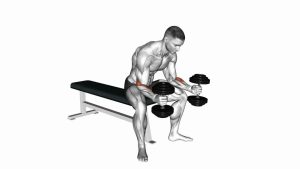
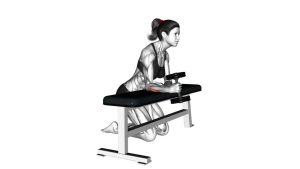
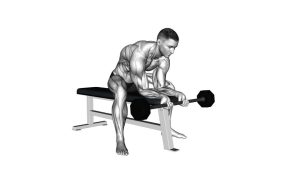
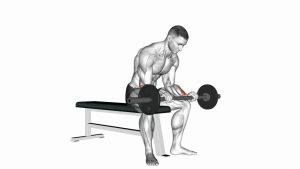
This movement works best with controlled reps, a moderate load, and a deliberate stretch at the bottom. Because the forearms are supported, momentum is reduced and the wrist flexors do more of the work. You should feel the exercise mainly on the underside of the forearms, not in the shoulders, upper arms, or lower back.
Quick Overview
| Body Part | Forearms |
|---|---|
| Primary Muscle | Wrist flexors |
| Secondary Muscle | Finger flexors, brachioradialis (light stabilizing role) |
| Equipment | Barbell, flat bench, optional collars |
| Difficulty | Beginner |
Sets & Reps (By Goal)
- Forearm muscle growth: 3–4 sets × 10–20 reps with slow lowering and a hard squeeze at the top
- General forearm strength: 3–5 sets × 8–12 reps using strict form and controlled tempo
- Endurance / finishing work: 2–3 sets × 15–25 reps with lighter weight and minimal rest
- Warm-up / activation: 2 sets × 15–20 easy reps before heavier pulling or arm work
Progression rule: First improve range, tempo, and control. Then increase reps. Add weight only when you can keep the forearms planted and move the bar smoothly with the wrists alone.
Setup / Starting Position
- Sit behind a flat bench: Position yourself so your forearms can rest comfortably on top of the bench.
- Place forearms on the pad: Keep them fully supported, with the wrists hanging just past the edge of the bench.
- Take an underhand grip: Hold the barbell with palms facing up at about shoulder width or slightly narrower.
- Let the bar sit low in the fingers: This increases the range of motion and improves the stretch at the bottom.
- Lock in the upper body: Keep elbows down, shoulders relaxed, chest stable, and eyes forward.
Tip: Keep the forearms flat and quiet. The more stable the arms are, the more tension stays on the wrist flexors.
Execution (Step-by-Step)
- Start in the stretched position: Let the wrists extend so the bar rolls slightly toward the fingers.
- Flex the wrists upward: Curl the bar toward your forearms using only wrist motion.
- Re-grip naturally as you rise: Let the fingers close around the bar as it rolls higher into the hands.
- Squeeze at the top: Pause briefly in full wrist flexion without lifting the elbows.
- Lower under control: Slowly reverse the rep back into a stretched bottom position.
- Repeat smoothly: Keep tension on the forearms and avoid bouncing or dropping the bar between reps.
Pro Tips & Common Mistakes
- Use full range: Don’t cut the bottom stretch short if your wrists tolerate it well.
- Control the lowering phase: The eccentric helps build both strength and hypertrophy in the forearms.
- Keep the elbows pinned: Once the upper arms move, the exercise becomes less isolated.
- Don’t overload too soon: Wrist curls respond well to clean reps and time under tension, not sloppy heavy weight.
- Let the bar roll slightly: A small finger roll can improve the contraction, but stay in control.
- Train both sides evenly: Keep your grip centered so the bar doesn’t tilt toward one hand.
- Pair smartly: This works well after curls, rows, pull-ups, or other forearm-demanding work.
FAQ
What muscles does the barbell palms-up wrist curl over a bench work?
It mainly trains the wrist flexors on the underside of the forearm. The finger flexors also assist as you grip and control the bar.
Should I let the bar roll into my fingers?
Yes, slightly. Letting the bar sit lower in the fingers at the bottom can increase the stretch and improve the contraction, as long as you stay in full control.
Is this better with a straight bar or EZ curl bar?
A straight bar is common, but some people find an EZ curl bar more comfortable on the wrists. Use the option that lets you feel the forearms without joint discomfort.
How heavy should I go on wrist curls?
Use a load that allows smooth, strict reps. Wrist curls usually work best with moderate or light-to-moderate weight because the target muscles are small and easy to overload with sloppy form.
Can beginners use this exercise?
Yes. It is beginner-friendly when performed with controlled tempo and appropriate weight. Start light and focus on range of motion before chasing heavier loads.
Recommended Equipment
- Adjustable Weight Bench — provides stable forearm support and a comfortable setup for strict wrist curls
- EZ Curl Bar — a wrist-friendlier alternative if a straight bar feels awkward or stressful
- Wrist Wraps — useful for lifters who want extra support during higher-volume forearm work
- Forearm / Wrist Training Bar — a specialized accessory for adding more direct wrist and forearm training beyond standard curls
- Fractional Weight Plates — great for small, manageable progressions on wrist-dominant movements
Tip: Small muscles often progress best with small jumps. Micro-loading and clean technique usually beat aggressive weight increases on wrist curl variations.