Triceps Dip: Proper Form, Sets, Tips & FAQ
Learn how to do the Triceps Dip with proper form to build stronger upper arms. Includes setup, execution, sets by goal, common mistakes, FAQs, and recommended equipment.
Triceps Dip
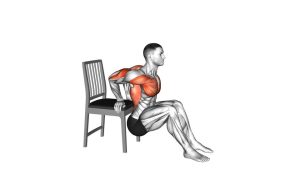
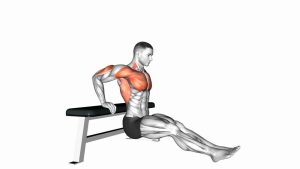
Triceps dips are simple, effective, and easy to add to a home or gym routine. They can be adjusted for different fitness levels by bending the knees to make the exercise easier or straightening the legs to increase the challenge. When done with proper depth and shoulder control, this movement is an excellent option for targeting the upper arms.
Quick Overview
| Body Part | Triceps |
|---|---|
| Primary Muscle | Triceps brachii |
| Secondary Muscle | Anterior deltoids, lower chest, core stabilizers |
| Equipment | Bench, chair, box, or any sturdy elevated surface |
| Difficulty | Beginner to Intermediate |
Sets & Reps (By Goal)
- Muscle building: 3–4 sets × 8–15 reps
- General toning / fitness: 2–4 sets × 10–20 reps
- Strength focus: 3–5 sets × 6–10 reps with slower tempo or harder variation
- Beginner practice: 2–3 sets × 6–10 reps with bent knees
Progression tip: Start with bent-knee dips, then move to straight-leg dips, slower eccentrics, pauses at the bottom, or extra resistance when your form stays solid.
Setup / Starting Position
- Choose a stable surface: Use a flat bench, sturdy chair, or box that will not slide during the exercise.
- Place your hands behind you: Grip the edge with hands about shoulder-width apart and fingers facing forward.
- Slide the hips off the edge: Position your body just in front of the bench with the arms supporting your weight.
- Set your legs: Keep knees bent for an easier version or straighten the legs for a greater challenge.
- Brace the upper body: Keep the chest open, shoulders down, and core lightly engaged before starting.
Execution (Step-by-Step)
- Start tall at the top: Arms are straight, hips close to the bench, and shoulders stable.
- Lower under control: Bend the elbows and let the body descend straight down while keeping the hips close to the bench.
- Stop at a comfortable depth: Lower until the elbows are around 90 degrees or slightly less if your shoulders feel strained.
- Press back up: Drive through the palms and extend the elbows until the arms are straight again.
- Repeat smoothly: Maintain a controlled tempo without bouncing or swinging the body.
Pro Tips & Common Mistakes
- Keep your hips close to the bench: Letting them drift forward increases shoulder stress.
- Do not dip too deep: Going lower than your shoulder mobility allows can irritate the front of the shoulders.
- Control the lowering phase: A slow eccentric improves tension on the triceps and keeps the movement safer.
- Avoid shrugging: Keep the shoulders down and away from the ears throughout the set.
- Do not flare the elbows excessively: Keep them pointing mostly backward to maintain better triceps focus.
- Match the variation to your level: Bent knees are great for beginners, while straight legs increase difficulty.
FAQ
What muscles do triceps dips work the most?
Triceps dips mainly target the triceps brachii. They also involve the front shoulders, chest, and core for stability.
Are bench dips good for beginners?
Yes, especially with bent knees and a shortened range of motion. Beginners should focus on control, shoulder comfort, and smooth reps before progressing.
Why do I feel triceps dips in my shoulders?
This usually happens when you lower too deep, let the hips move too far away from the bench, or lose shoulder stability. Reduce depth and keep your body closer to the support.
Should I do triceps dips with bent or straight legs?
Bent legs are easier because the feet help support more bodyweight. Straight legs increase the challenge and place more load on the arms.
How can I make triceps dips harder?
You can straighten your legs, slow the lowering phase, pause at the bottom, increase total reps, or add external load when your form is strong and pain-free.
Recommended Equipment
- Flat Weight Bench — a sturdy surface for controlled dips and many other upper-body exercises
- Parallettes Bars — useful for bodyweight pressing, support holds, and dip-style variations
- Resistance Bands Set — great for warm-ups, triceps accessories, and shoulder activation work
- Exercise Mat — improves floor comfort and stability during bodyweight training sessions
- Adjustable Weighted Vest — helpful for progressing dips once bodyweight reps become too easy
Tip: Choose stable, non-slip equipment first. For this movement, a secure setup matters more than adding difficulty too early.