Diamond Push-Up: Proper Form, Triceps Focus, Sets, Tips & FAQ
Learn how to do the Diamond Push-Up with proper form to target the triceps, inner chest, and front shoulders. Includes setup, step-by-step execution, sets by goal, common mistakes, FAQs, and recommended equipment.
Diamond Push-Up
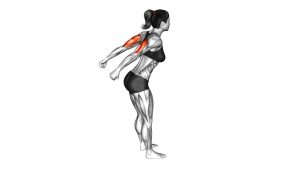
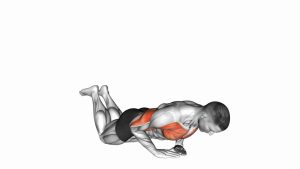
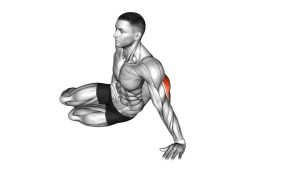
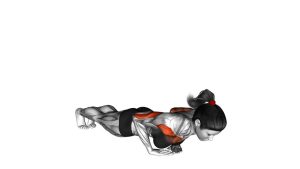
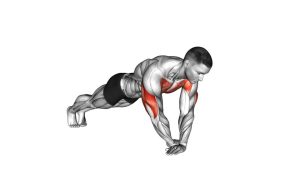
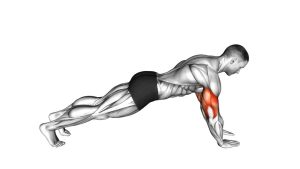
This exercise works best when you stay tight through the core, keep the hands close together, and control both the descent and the press. You should feel strong work through the back of the upper arms, with additional tension in the chest and front shoulders. If your hips sag, elbows flare too much, or your range becomes short, regress the movement by elevating the hands or reducing reps.
Quick Overview
| Body Part | Triceps |
|---|---|
| Primary Muscle | Triceps brachii |
| Secondary Muscle | Pectoralis major, anterior deltoids, serratus anterior, core stabilizers |
| Equipment | Bodyweight only (optional: push-up handles, exercise mat, resistance band) |
| Difficulty | Intermediate |
Sets & Reps (By Goal)
- Muscle building: 3–4 sets × 8–15 reps (60–90 sec rest)
- Strength endurance: 2–4 sets × 12–20 reps (45–75 sec rest)
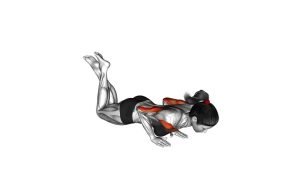
- Beginner progression: 2–3 sets × 5–10 reps using incline support if needed
- Warm-up activation: 2–3 sets × 6–10 controlled reps
Progression rule: First improve range of motion and control, then add reps. Once standard reps feel solid, progress by slowing the lowering phase, pausing at the bottom, or using a resistance band/backpack for added load.
Setup / Starting Position
- Start in a high plank: Place your hands under the chest with thumbs and index fingers close enough to form a diamond or triangle shape.
- Set full-body tension: Brace the abs, squeeze the glutes, and keep the legs straight with toes planted into the floor.
- Align the upper body: Keep the shoulders stacked over the hands and the neck neutral with eyes slightly forward.
- Tuck the elbows: Let the elbows point generally backward rather than flaring straight out to the sides.
- Check hand comfort: If wrist extension bothers you, use push-up handles or slightly adjust hand angle.
Tip: If the full version is too difficult, begin with your hands elevated on a bench, box, or sturdy surface.
Execution (Step-by-Step)
- Lock in the plank: Create a straight line from head to heels before initiating the rep.
- Lower under control: Bend the elbows and bring the chest down toward the hands while keeping the elbows relatively close to the torso.
- Reach the bottom position: Lower until the chest is just above the hands or as low as you can go with control and no collapse.
- Press through the palms: Drive the floor away and extend the elbows to return to the starting position.
- Finish tall: Reach near full lockout at the top while maintaining a rigid torso and neutral neck.
Pro Tips & Common Mistakes
- Keep the hands under the chest: Too far forward shifts the movement and reduces clean triceps loading.
- Use a controlled descent: Lowering too fast often causes elbow flare and loss of tension.
- Maintain a straight body line: Do not let the hips sag or rise excessively.
- Do not force a fake diamond: Hand spacing can be slightly adjusted for comfort while keeping a close-grip position.
- Avoid half reps: Use a range of motion you can control instead of cutting every rep short.
- Watch the wrists: If flat palms are uncomfortable, use push-up bars or handles to reduce strain.
FAQ
What muscles do diamond push-ups work the most?
Diamond push-ups mainly target the triceps, with strong support from the chest, especially the inner portion, and the front shoulders.
Are diamond push-ups harder than regular push-ups?
Yes, for most people they are harder because the narrow hand position increases triceps demand and reduces stability. They usually require more control and pressing strength than a standard push-up.
What if I can’t do a full diamond push-up yet?
Start with incline diamond push-ups using a bench, countertop, or box. You can also perform partial-range reps while building strength and control.
Should my elbows stay fully tucked?
They should stay relatively close to the torso, but not forced into an unnatural position. Aim for a comfortable tucked path that keeps pressure on the triceps without irritating the joints.
Can I use diamond push-ups for triceps growth?
Absolutely. They are a strong bodyweight option for triceps hypertrophy, especially when performed with full range, controlled tempo, and enough total volume across your weekly training.
Recommended Equipment (Optional)
- Push-Up Handles — reduce wrist strain and allow a more comfortable pressing angle
- Exercise Mat — adds comfort for hands and toes during floor-based bodyweight training
- Loop Resistance Bands — useful for assistance, added resistance, or pairing with triceps accessory work
- Weighted Vest — a practical progression tool once bodyweight reps become too easy
- Mini Parallettes — provide neutral grip support and can make close-grip push-up work more joint-friendly
Tip: Choose the simplest tool that improves comfort and consistency. Good technique matters more than making the movement harder too early.