Lever Gripper (Plate-Loaded): Proper Form, Sets, Tips & FAQ
Learn how to perform the Lever Gripper (Plate-Loaded) for stronger hands, grip, and forearms. Includes setup, execution, sets by goal, common mistakes, FAQs, and recommended equipment.
Lever Gripper (Plate-Loaded)
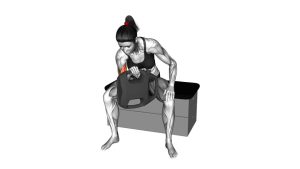
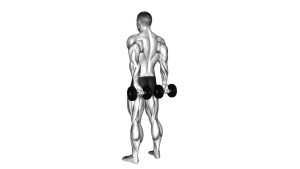
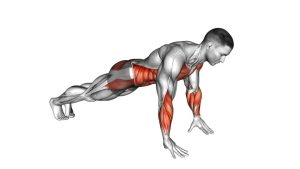
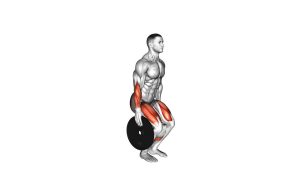
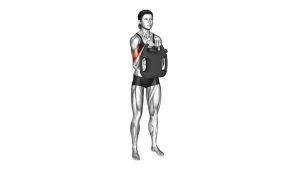
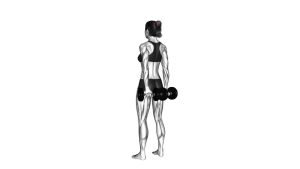
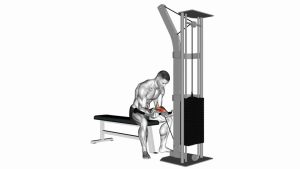
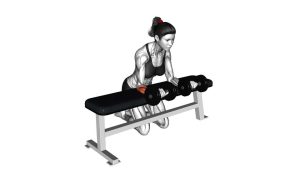
This exercise works best when each rep is performed with a firm but controlled squeeze. Focus on wrapping the fingers fully around the handle, keeping the wrist stable, and letting the hand do the work instead of jerking the lever with body movement. A smooth concentric squeeze and a slow eccentric release will make the movement more effective for both strength and muscle development.
Quick Overview
| Body Part | Forearms |
|---|---|
| Primary Muscle | Forearm flexors / finger flexors |
| Secondary Muscle | Thumb adductors, hand stabilizers, wrist stabilizers |
| Equipment | Plate-loaded lever gripper machine |
| Difficulty | Beginner to Intermediate |
Sets & Reps (By Goal)
- Grip strength: 3–5 sets × 4–8 reps per hand with heavy resistance, 60–120 sec rest
- Forearm hypertrophy: 3–4 sets × 8–15 reps per hand with controlled tempo, 45–75 sec rest
- Grip endurance: 2–4 sets × 15–25 reps or 20–40 sec continuous reps, 30–60 sec rest
- Finisher work: 2–3 sets taken close to technical failure with strict form
Progression rule: Add weight only when you can fully close the handle and control the opening phase without wrist breakdown or bouncing the rep.
Setup / Starting Position
- Load the machine: Choose a plate load you can move through a clean full squeeze without twisting or compensating.
- Set your grip: Wrap your fingers securely around the handle and position the thumb to lock the grip in place.
- Keep the wrist neutral: Avoid excessive flexion, extension, or side bending before the rep begins.
- Align the forearm: Keep the forearm steady so the motion comes from gripping, not swinging the arm.
- Brace lightly: Stay stable through the shoulder and elbow, but do not tense the whole upper body unnecessarily.
Tip: If the handle sits too deep in the palm, the fingers may contribute less. Position it so you can actively squeeze through the fingers, not just clamp passively.
Execution (Step-by-Step)
- Start from the open position: Hold the handle securely with the wrist stacked and the forearm steady.
- Initiate the squeeze: Drive the movement by closing the fingers into the palm and crushing the handle inward.
- Finish hard: Squeeze until the handle reaches full or near-full closure without jerking the machine.
- Pause briefly: Hold the peak contraction for 1–2 seconds to reinforce full grip tension.
- Lower under control: Let the handle open gradually instead of allowing it to snap back.
- Repeat smoothly: Maintain the same wrist position and rep path on every repetition.
Pro Tips & Common Mistakes
- Use full-hand pressure: Think about squeezing with all fingers, not just the index and middle finger.
- Control the eccentric: Don’t let the machine pull your hand open instantly after the squeeze.
- Keep the wrist stacked: A neutral wrist helps transfer force and protects the joint.
- Avoid body English: Don’t swing the arm, shrug the shoulder, or lean the torso to finish reps.
- Train both hands evenly: Start with your weaker side and match the volume on your stronger side.
- Don’t overload too early: Partial sloppy reps are less useful than clean full-range repetitions.
- Use pauses strategically: Short peak holds can improve squeeze quality and mind-muscle connection.
FAQ
What muscles does the Lever Gripper (Plate-Loaded) work?
It mainly trains the finger flexors and forearm flexors, while the thumb and wrist stabilizers help secure the grip and control the handle path.
Is this exercise good for building grip strength?
Yes. It is especially useful for developing crushing grip strength, which carries over well to general hand strength, forearm training, and other pulling exercises.
Should I train one hand at a time or both equally?
Train both, but begin with the weaker hand if one side lags. Then match the reps or effort on the stronger side to keep development balanced.
How heavy should I go?
Use a resistance that lets you fully close the handle with control. If the handle barely moves or the wrist collapses, the load is too heavy for quality work.
Can this replace all forearm work?
No. It is excellent for grip-focused training, but a complete forearm routine may also include wrist flexion, wrist extension, carries, and pinch work.
Recommended Equipment (Optional)
- Adjustable Hand Gripper — useful for extra crushing-grip practice outside the machine
- Wrist Roller / Forearm Exerciser — adds wrist and forearm endurance work that pairs well with grip-machine training
- Pinch Block Grip Trainer — complements crushing grip work with thumb and pinch-strength emphasis
- Loading Pin for Weight Plates — useful for building a more versatile grip setup with grip attachments and plate loading
- Thick Grip Attachments — increases handle diameter to challenge grip and forearm recruitment on other exercises
Tip: Accessories work best when they support your grip training, not replace progressive effort and clean reps on the main exercise.