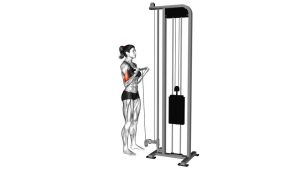
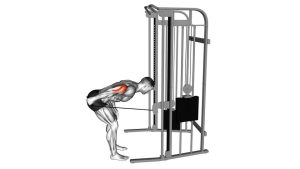
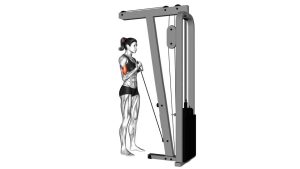
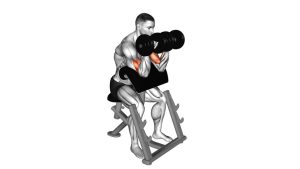
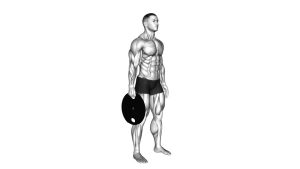
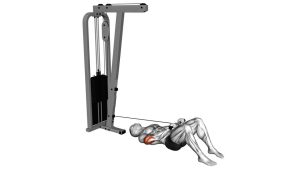
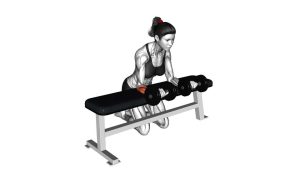
Cable Wrist Curl: Proper Form, Sets, Reps, Tips & FAQ
Learn the Cable Wrist Curl for stronger forearms, better grip, and constant tension through every rep. Includes setup, execution, sets by goal, common mistakes, FAQs, and recommended equipment.
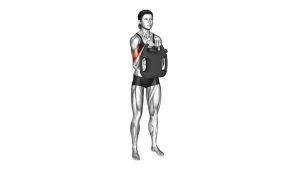
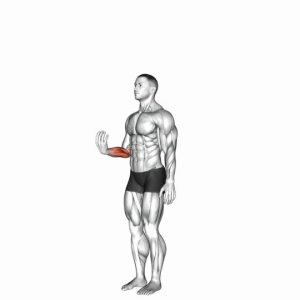
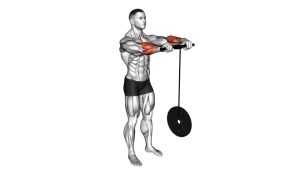
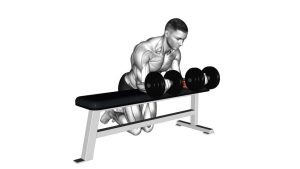
Cable Wrist Curl
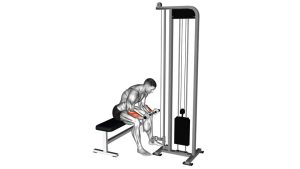
This exercise is best performed with light-to-moderate load and strict form. You should feel the work mainly in the underside of the forearms, with the hands and grip assisting the movement. The range of motion is not huge, but the quality of the rep matters a lot. A controlled squeeze at the top and a smooth lowering phase will usually build the forearms more effectively than using too much weight.
Quick Overview
| Body Part | Forearms |
|---|---|
| Primary Muscle | Forearm flexors |
| Secondary Muscle | Finger flexors, grip muscles, brachioradialis (light stabilizing role) |
| Equipment | Low cable machine with straight bar or short bar attachment |
| Difficulty | Beginner |
Sets & Reps (By Goal)
- Muscle growth: 3–4 sets × 10–15 reps
- Forearm endurance: 2–4 sets × 15–20 reps
- Grip support / accessory work: 2–3 sets × 12–18 reps
- Technique practice: 2–3 sets × 8–12 controlled reps with light weight
Progression rule: First improve rep quality, stretch control, and peak squeeze. Then add small weight increases while keeping the wrists—not the elbows—responsible for the movement.
Setup / Starting Position
- Set the pulley low: Attach a straight bar or short bar to a low cable station.
- Take an underhand grip: Hold the bar with palms facing up.
- Stand close to the machine: Keep the cable line smooth and tensioned from the start.
- Lock in your upper body: Keep your chest up, shoulders relaxed, and elbows tucked near your sides.
- Start with wrists slightly extended: Let the bar sit lower in the hands so the forearms begin in a loaded stretch.
Tip: Use a lighter load than you think you need. Forearm isolation usually looks best when the wrists move cleanly and the torso stays quiet.
Execution (Step-by-Step)
- Brace your position: Stand steady with your elbows fixed and shoulders relaxed.
- Let the wrists stretch slightly: Allow the bar to sit low in the hands without losing control.
- Curl the wrists upward: Flex at the wrists to roll and lift the bar upward toward the forearms.
- Squeeze at the top: Pause briefly when the forearm flexors are fully shortened.
- Lower under control: Slowly return to the stretched position without letting the weight yank the wrists down.
- Repeat smoothly: Keep every rep strict, with no bouncing, swinging, or elbow curling.
Pro Tips & Common Mistakes
- Move only at the wrists: The smaller the cheating, the better the forearm stimulus.
- Control the eccentric: Lowering slowly often matters more than trying to yank the bar up fast.
- Don’t overload too early: Heavy weight usually shifts tension away from the target muscles.
- Use full usable range: Get a stretch at the bottom and a hard squeeze at the top without forcing the joint.
- Keep your grip active: Let the fingers assist the movement naturally, but do not turn it into a sloppy hand curl.
- Avoid body English: No leaning back, shrugging, or swinging to finish the rep.
- Pair it wisely: Cable wrist curls work well after rows, pull-downs, curls, or direct grip training.
FAQ
What muscles does the cable wrist curl work?
It mainly trains the forearm flexors, which are responsible for curling the wrist and supporting grip strength. The fingers and hand muscles also assist during the movement.
Is the cable wrist curl better than a dumbbell wrist curl?
It can be, especially if you want more constant tension throughout the rep. Dumbbells are effective too, but cables often feel smoother and more consistent at both the top and bottom.
How heavy should I go on cable wrist curls?
Use a load you can control for clean reps without elbow movement or torso swinging. In most cases, moderate or even light weight works best because the wrists are doing a small isolation movement.
Should I train both wrist curls and reverse wrist curls?
Yes, that is often a smart combination. Wrist curls emphasize the forearm flexors, while reverse wrist curls target the extensor side for more balanced forearm development.
Where should I place cable wrist curls in my workout?
They usually fit best near the end of an upper-body or arm workout as an accessory exercise, after bigger pulling and curling movements are already done.
Recommended Equipment
- Straight Bar Cable Attachment — useful if you train on a home cable system and want a stable handle for wrist curls
- Wrist Roller / Forearm Roller — great for adding extra forearm flexor and extensor work outside the cable machine
- Adjustable Grip Strength Trainer — useful for improving crushing grip and supporting overall forearm strength
- Lifting Straps — helpful for heavier pulling work so your grip does not limit back training volume
- Forearm Exerciser / Wrist Strengthener — a simple accessory option for extra forearm work, warm-ups, or light recovery sessions
Tip: For most lifters, the best combination is a cable attachment for the main exercise plus one extra grip or forearm tool for accessory work.