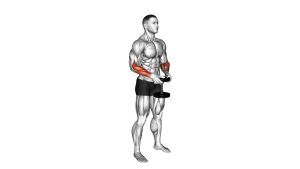
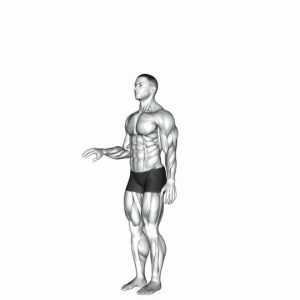
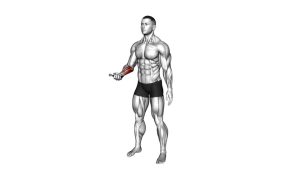
Weighted Plate Standing Hands Torsion: Forearm Grip Strength, Form, Sets & FAQ
Learn the Weighted Plate Standing Hands Torsion for stronger forearms, grip endurance, wrist stability, and rotational control. Includes setup, execution, mistakes, FAQs, and recommended equipment.
Weighted Plate Standing Hands Torsion
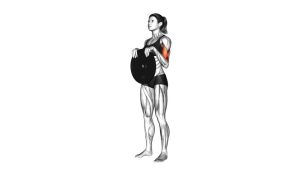
This exercise works best when performed with small movement, high control, and constant hand pressure. The plate may only rotate slightly, but the forearms should feel deeply engaged because both hands are applying force against each other. Keep the elbows close to the ribs, wrists strong, shoulders relaxed, and torso still.
Quick Overview
| Body Part | Forearms |
|---|---|
| Primary Muscle | Forearm flexors and wrist stabilizers |
| Secondary Muscle | Forearm extensors, pronators, supinators, hand grip muscles, biceps, shoulders, and core stabilizers |
| Equipment | Weight plate |
| Difficulty | Intermediate — requires grip strength, wrist control, and careful tension management |
Sets & Reps (By Goal)
- Grip endurance: 2–4 sets × 20–40 seconds of continuous controlled torsion.
- Forearm strength: 3–5 sets × 8–12 slow torsion reps per direction.
- Wrist stability: 2–4 sets × 10–15 controlled reps with a light-to-moderate plate.
- Warm-up / activation: 1–2 sets × 10–12 gentle reps before heavier pulling, curling, or grip work.
- Forearm finisher: 2–3 rounds × 30–45 seconds using constant plate tension without rushing.
Progression rule: Increase time under tension first. Then increase reps. Only use a heavier plate when you can keep the wrists aligned, elbows still, and plate controlled.
Setup / Starting Position
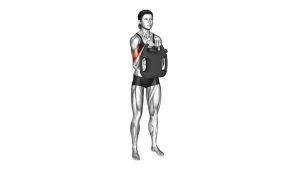
- Stand tall: Place your feet about hip-width apart with your knees soft and torso upright.
- Hold the plate vertically: Grip the weight plate with both hands on opposite sides at mid-torso height.
- Set your elbows: Bend your elbows around 90 degrees and keep them close to your ribs.
- Start neutral: Keep both wrists straight before the twist begins.
- Brace lightly: Keep your ribs down, core gently engaged, and shoulders relaxed.
- Squeeze the plate: Create firm grip pressure before applying torsion so the plate does not slip.
Your body should stay quiet and compact. If the shoulders shrug, elbows flare, or the plate shakes aggressively, reduce the load.
Execution (Step-by-Step)
- Begin from the starting hold: Keep the plate vertical, elbows tucked, and wrists neutral.
- Create opposing force: Rotate one hand slightly forward while the other hand resists in the opposite direction.
- Twist with control: Imagine you are trying to gently “wring” the plate without swinging your arms.
- Hold peak tension: Pause for 1–2 seconds at the strongest point of the torsion.
- Return slowly: Ease the plate back to neutral without letting the wrists collapse.
- Reverse direction: Twist the opposite way with the same slow, controlled effort.
- Repeat smoothly: Continue alternating sides while maintaining constant grip pressure and steady breathing.
Pro Tips & Common Mistakes
Pro Tips
- Use slow pressure: Twist gradually instead of jerking the plate.
- Keep elbows close: This prevents the shoulders from taking over the movement.
- Squeeze before rotating: Grip pressure activates the forearms before torsion begins.
- Train both directions: Rotate left and right evenly to build balanced wrist control.
- Use a light plate first: Clean tension is more valuable than heavy sloppy twisting.
- Keep wrists strong: Avoid letting the plate fold your wrists forward, backward, or sideways.
Common Mistakes
- Using too much weight: Heavy plates can overload the wrists and elbows quickly.
- Swinging the arms: The movement should come from the hands and wrists, not shoulder rotation.
- Letting the wrists collapse: Keep the wrist joints aligned and controlled.
- Rushing reps: Fast twisting reduces tension and increases irritation risk.
- Relaxing between reps: Keep steady plate pressure throughout the set.
- Shrugging the shoulders: Keep the neck and traps relaxed so the forearms do the work.
FAQ
What muscles does the Weighted Plate Standing Hands Torsion work?
It mainly works the forearm flexors, wrist stabilizers, grip muscles, pronators, and supinators. The forearm extensors, biceps, shoulders, and core also assist with stabilization.
Is this exercise better for grip strength or forearm size?
It can help both. Longer holds build grip endurance, while slow controlled reps with progressive overload can support forearm strength and muscle development.
How heavy should the plate be?
Use a plate you can control without wrist pain, elbow discomfort, or shaking. Start light and only increase load when your form stays clean.
Should the plate rotate a lot?
No. The visible movement is usually small. The exercise works because your hands create opposing rotational force while your forearms resist and stabilize.
Can beginners do this exercise?
Beginners can try it with a very light plate, but it is best for people who already have basic grip strength and wrist control.
Why do I feel this near my elbow?
Many forearm muscles attach near the elbow, so mild muscular effort can be normal. Sharp pain, tendon discomfort, or lingering irritation means the load is too heavy or the set is too long.
How often should I do this exercise?
Two to three times per week is enough for most people. Since it stresses the wrists, hands, and forearm tendons, allow recovery between hard sessions.
Recommended Equipment
- Cast Iron Weight Plate — the main tool for plate torsion drills with a simple, firm grip surface.
- Olympic Grip Weight Plates — useful if you prefer built-in handles for safer gripping and controlled torsion practice.
- Weightlifting Chalk — improves hand friction and helps reduce slipping during high-tension grip work.
- Wrist Wraps — optional support for lifters who need extra wrist stability during grip training.
- Forearm Grip Strengthener — helpful for building grip endurance alongside plate torsion work.
Choose equipment that lets you train with control. If the plate feels slippery, unstable, or too heavy, reduce the load before increasing intensity.