Reverse Crunch: Proper Form, Benefits, Sets, Tips & FAQ
Learn how to do the Reverse Crunch with proper form to target lower abs, control pelvic movement, avoid momentum, and build stronger core stability.
Reverse Crunch
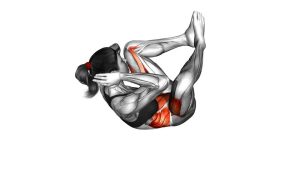
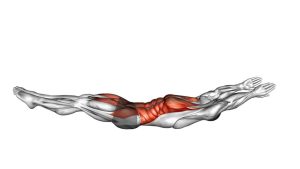
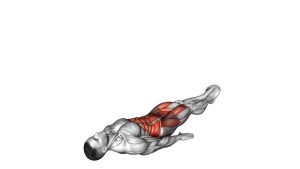
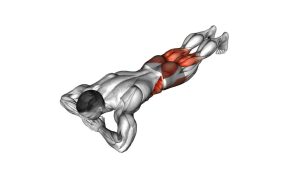
This exercise is excellent for building better abdominal control because it teaches the pelvis to move through a small and precise curl. During the video demonstration, the performer keeps the knees bent, the feet elevated, and the arms lightly pressed into the floor. As a result, the movement stays stable while the hips lift in a compact motion. Additionally, the lowering phase is controlled, which keeps tension on the abs instead of allowing the legs to drop.
Quick Overview
| Body Part | Core |
|---|---|
| Primary Muscle | Rectus abdominis |
| Secondary Muscle | Hip flexors, obliques, transverse abdominis |
| Equipment | Exercise mat only |
| Difficulty | Beginner to intermediate |
Sets & Reps (By Goal)
- Beginner core control: 2–3 sets × 8–12 reps with a slow tempo.
- Muscle endurance: 3–4 sets × 12–20 reps with constant tension.
- Ab strength: 3–5 sets × 8–15 reps with a 1–2 second pause at the top.
- Warm-up activation: 1–2 sets × 8–10 clean reps before heavier core work.
Progression rule: First, increase control and pause time. Then, add reps. Finally, progress to harder variations only when you can lift the hips without swinging the legs.
Setup / Starting Position
- Lie on your back: Use a mat and keep your head, shoulders, and upper back relaxed.
- Place your arms beside you: Press your palms lightly into the floor for balance, not for pushing the movement.
- Bend your knees: Bring your knees to roughly 90 degrees and lift your feet off the floor.
- Brace your core: Gently flatten the lower back toward the mat before the first rep.
- Control your breathing: Exhale during the curl and inhale as you lower with control.
Your starting position should feel stable. However, avoid pulling the knees too far into the chest before the rep begins, because that can reduce the useful working range.
Execution (Step-by-Step)
- Start with control: Keep your knees bent, feet lifted, and lower back lightly connected to the floor.
- Begin the pelvic curl: Use your abs to roll the pelvis upward, bringing the knees slightly closer to the chest.
- Lift the hips: Allow the hips to leave the mat in a small, controlled motion. Do not kick the legs upward.
- Pause briefly: At the top, squeeze the abs for one moment while keeping the neck and shoulders relaxed.
- Lower slowly: Return the hips to the mat one segment at a time. Keep the legs elevated instead of resting the feet down.
- Reset tension: Before the next rep, brace again and avoid letting the lower back arch aggressively.
Pro Tips & Common Mistakes
- Think “curl the pelvis,” not “throw the legs”: This keeps the abs as the main driver.
- Keep the knees bent: Bent knees reduce unwanted hip flexor dominance and make control easier.
- Use your arms lightly: Your hands can stabilize you, but they should not push the hips upward.
- Lower slowly: The eccentric phase is where many people lose tension. Therefore, control it fully.
- Avoid neck tension: Keep your head relaxed on the mat and avoid looking forward aggressively.
- Do not chase height: A small hip lift with strong abdominal control is better than a high swing with poor form.
- Exhale at the top: A controlled exhale helps the ribs stay down and improves abdominal contraction.
FAQ
What muscles does the reverse crunch work?
The reverse crunch mainly works the rectus abdominis. Additionally, the obliques and deep core help stabilize the pelvis, while the hip flexors assist during the leg position.
Is the reverse crunch good for lower abs?
Yes. Although the rectus abdominis works as one muscle, the reverse crunch emphasizes pelvic curling, which many people feel strongly in the lower-ab region.
Why do I feel reverse crunches in my hip flexors?
You may be lifting the legs instead of curling the pelvis. To fix this, slow down, keep the knees bent, and focus on lifting the hips with your abs.
Should my feet touch the floor between reps?
For constant tension, keep your feet elevated between reps. However, beginners can briefly reset if they lose control or feel the lower back arching.
Can beginners do reverse crunches?
Yes. Beginners can start with a short range of motion, fewer reps, and a slow tempo. As control improves, they can increase reps or add a longer pause at the top.
Recommended Equipment
- Exercise Mat — provides cushioning for the spine and hips during floor core exercises.
- Thick Yoga Mat — useful if you need extra comfort while performing reverse crunches on hard floors.
- Ankle Weights — optional progression for advanced users who can maintain strict control.
- Core Sliders — helpful for adding other controlled ab and lower-body core variations.
- Resistance Bands Set — useful for pairing reverse crunches with anti-extension and anti-rotation core drills.
Tip: Use equipment only if it improves control. If added resistance makes you swing or lose pelvic control, return to the bodyweight version.