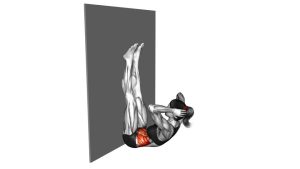
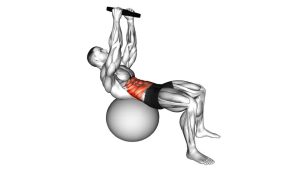
Crunch on Bench: Proper Form, Benefits, Sets, Tips & FAQ
Learn how to perform the Crunch on Bench with proper form to target your abs safely and effectively. Includes setup, step-by-step execution, sets by goal, common mistakes, FAQs, and recommended equipment.
Crunch on Bench
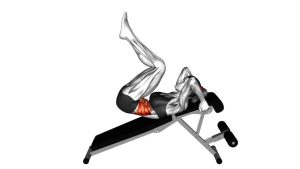
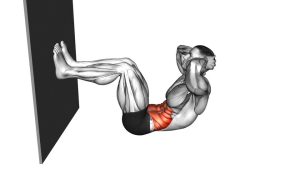
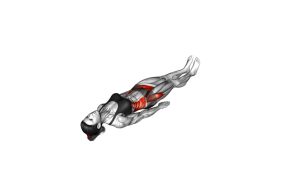
The Crunch on Bench is useful for beginners, home workouts, gym core sessions, and athletes who want to improve abdominal control without needing heavy equipment. Because the bench supports the back and hips, the movement allows you to focus on clean spinal flexion instead of using momentum. When performed correctly, the exercise teaches you how to contract the abs without pulling the neck, swinging the legs, or turning the movement into a full sit-up.
This exercise works best when the range of motion is small and intentional. You do not need to lift high to make the abs work. Instead, focus on curling the upper back, exhaling as you crunch, and keeping the lower back stable against the bench. The bench position can also make the exercise feel slightly more stable than floor crunches, especially for people who prefer a raised surface.
Quick Overview
| Body Part | Abs |
|---|---|
| Primary Muscle | Rectus abdominis |
| Secondary Muscle | Obliques, transverse abdominis, hip flexors as minor stabilizers |
| Equipment | Flat bench or exercise bench |
| Difficulty | Beginner |
Sets & Reps (By Goal)
- Beginner core control: 2–3 sets × 10–15 reps with a slow tempo.
- Ab hypertrophy: 3–4 sets × 12–20 reps with a strong squeeze at the top.
- Core endurance: 2–4 sets × 20–30 controlled reps without rushing.
- Warm-up activation: 1–2 sets × 10–12 reps before a core or strength workout.
- Slow-tempo control: 3 sets × 8–12 reps using a 2-second lift and 3-second lowering phase.
Progression rule: First improve control, breathing, and abdominal tension. After that, progress by slowing the lowering phase, adding a pause at the top, increasing total reps, or using a slight decline bench only when form stays clean.
Setup / Starting Position
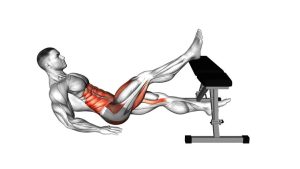
- Lie on the bench: Position your back on a flat bench with your hips supported and your torso centered. Make sure your body feels stable before starting.
- Bend your knees: Keep your knees bent and feet secure. Depending on the bench setup, your feet may be placed on the bench, on the floor, or lightly supported.
- Choose hand position: Place your hands lightly behind your head, across your chest, or beside your temples. If your hands are behind your head, they should support the head lightly, not pull it.
- Set your ribs and pelvis: Keep the lower back controlled and avoid excessive arching. Think about drawing the ribs slightly down toward the hips.
- Relax your neck: Keep the chin slightly tucked and the eyes looking upward or slightly forward. Leave space between the chin and chest.
- Brace gently: Tighten the abs before the first rep so the movement begins from the core instead of the neck or shoulders.
Setup tip: If the bench feels slippery or unstable, slow down and adjust your body position. A stable setup makes it much easier to isolate the abs.
Execution (Step-by-Step)
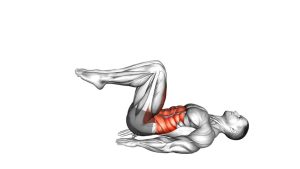
- Start from a controlled position: Lie back on the bench with your shoulders relaxed, knees bent, and core lightly braced.
- Exhale and curl upward: Begin the rep by curling your upper back off the bench. Focus on bringing your ribs toward your pelvis.
- Lift the shoulder blades: Raise only the upper torso. The lower back should stay stable instead of lifting aggressively from the bench.
- Squeeze the abs at the top: Pause briefly when the shoulder blades are off the bench. Keep the movement small and controlled.
- Avoid neck pulling: Keep the elbows open if your hands are behind your head. Your hands should guide the head, not drag it forward.
- Lower slowly: Inhale as you return to the starting position. Control the descent instead of dropping your upper body onto the bench.
- Keep tension between reps: Do not completely relax at the bottom. Maintain light abdominal engagement before starting the next repetition.
Pro Tips & Common Mistakes
Pro Tips
- Exhale as you crunch: Breathing out helps the ribs move down and makes the abdominal contraction stronger.
- Use a short range of motion: You only need to lift the shoulder blades. Going too high often turns the exercise into a sit-up.
- Control the lowering phase: Lower slowly to keep tension on the abs and avoid bouncing.
- Keep your chin neutral: Imagine holding a small space between your chin and chest.
- Pause at the top: A 1-second squeeze can make each rep more effective than rushing through many sloppy repetitions.
Common Mistakes
- Pulling the neck: This shifts stress away from the abs and can irritate the neck.
- Lifting too high: A crunch is not a sit-up. Keep the movement focused on upper-spine flexion.
- Using momentum: Swinging up and dropping down reduces abdominal tension.
- Holding the breath: Breath-holding makes the movement feel tense and less controlled.
- Relaxing completely at the bottom: Keep light tension so every rep stays connected.
- Overarching the lower back: Keep the ribs and pelvis controlled to protect your position.
FAQ
What muscles does the Crunch on Bench work?
The Crunch on Bench mainly works the rectus abdominis, especially the upper portion of the abs. The obliques and deep core muscles assist with stability, while the hip flexors should stay relatively quiet when the movement is performed correctly.
Is the Crunch on Bench better than a floor crunch?
It depends on your goal and comfort. The bench can provide a raised, stable surface that some people find easier to use. A floor crunch is simpler and requires no equipment. Both can be effective when performed with controlled form.
Should my lower back lift off the bench?
No. During a standard bench crunch, the lower back should stay mostly stable. The movement should come from curling the upper back and lifting the shoulder blades, not from sitting all the way up.
Why do I feel this exercise in my neck?
Neck discomfort usually happens when you pull the head forward, tuck the chin too hard, or rush the movement. Place your hands lightly, keep the chin neutral, and focus on lifting from the ribs instead of the head.
Can beginners do the Crunch on Bench?
Yes. This is a beginner-friendly core exercise when performed slowly. Beginners should start with a small range of motion, moderate reps, and no added weight.
How can I make the Crunch on Bench harder?
You can make it harder by slowing the lowering phase, pausing at the top, increasing reps, using a slight decline angle, or holding a light weight across the chest. Only progress once you can perform clean reps without neck pulling or momentum.
Recommended Equipment
- Adjustable Weight Bench — useful for flat, incline, and decline ab exercises.
- Flat Workout Bench — simple stable surface for bench crunches and strength training.
- Exercise Mat — helpful for warm-ups, floor core work, and stretching after training.
- Ab Exercise Sliders — great for adding plank variations and dynamic core work.
- Weighted Medicine Ball — optional tool for progressing crunches and other ab exercises.
Equipment tip: Start with only your bodyweight. Add resistance or decline angles only after you can control every rep without neck strain, bouncing, or lower-back discomfort.