Crunch with Medicine Ball: Proper Form, Sets, Tips & FAQ
Learn how to do the Crunch with Medicine Ball to train your abs with control, resistance, and better core tension. Includes form, sets, tips, FAQ, and gear.
Crunch with Medicine Ball
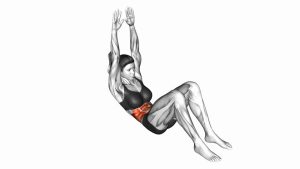
This exercise is most effective when the movement stays controlled, compact, and abdominal-focused. Instead of trying to sit all the way up, curl the upper back off the floor and squeeze the abs at the top. Meanwhile, keep the medicine ball steady so your core performs the work instead of your arms, neck, or hip flexors.
Quick Overview
| Body Part | Core |
|---|---|
| Primary Muscle | Rectus abdominis |
| Secondary Muscle | Obliques, deep core stabilizers, hip flexors lightly |
| Equipment | Medicine ball and exercise mat |
| Difficulty | Beginner to intermediate, depending on ball weight |
Sets & Reps (By Goal)
- Core endurance: 2–4 sets × 12–20 reps with a light medicine ball.
- Ab strength: 3–4 sets × 8–12 reps with a moderate ball and controlled tempo.
- Beginner technique: 2–3 sets × 8–10 reps using a very light ball or no ball first.
- Finisher work: 2–3 sets × 15–25 reps, keeping every rep smooth and pain-free.
Progression rule: First improve control and pause quality. Then add reps. After that, increase medicine ball weight only if your neck, hips, and lower back stay relaxed.
Setup / Starting Position
- Lie on your back: Start supine on the floor or mat with your knees bent and feet planted.
- Hold the medicine ball: Grip the ball with both hands and position it above your chest or upper torso.
- Set your ribs: Keep the ribcage controlled so the lower back does not aggressively arch.
- Relax your neck: Keep the chin slightly tucked and avoid pulling the head forward.
- Brace gently: Before lifting, tighten the abs as if preparing for a small controlled curl.
Tip: The ball should add resistance, not momentum. Therefore, choose a weight you can control through the entire crunch.
Execution (Step-by-Step)
- Start from the floor: Keep your head, shoulders, and upper back supported while the medicine ball stays steady above your chest.
- Exhale and curl up: Lift your head and shoulder blades by contracting your abs, not by swinging the ball.
- Keep the range short: Stop when your upper back is lifted and your abs are fully engaged.
- Pause briefly: Hold the top position for a moment while keeping the medicine ball controlled.
- Lower slowly: Return your upper back to the floor with control instead of dropping down.
- Reset and repeat: Keep your feet planted, breathe steadily, and repeat for the planned reps.
Pro Tips & Common Mistakes
- Lift the shoulder blades only: This is a crunch, not a full sit-up.
- Keep the ball steady: Avoid throwing the medicine ball forward to start the rep.
- Exhale during the lift: This helps the ribs come down and improves abdominal contraction.
- Do not yank the neck: Keep the chin gently tucked and the eyes angled upward.
- Avoid hip-flexor dominance: If your thighs or hips work more than your abs, shorten the range.
- Lower with control: The eccentric phase builds tension, so do not collapse back to the floor.
- Use the correct weight: A heavier ball is not better if it ruins your form.
FAQ
What muscles does the Crunch with Medicine Ball work?
The main target is the rectus abdominis, which helps flex the trunk. The obliques and deeper core muscles also assist with control, especially because the medicine ball adds resistance.
Is the Crunch with Medicine Ball better than a regular crunch?
It can be more challenging because the medicine ball adds load. However, it is only better if you can keep the movement controlled and avoid using momentum.
How heavy should the medicine ball be?
Start light. Most people should begin with a ball they can control for 10–15 smooth reps. If your neck strains or your feet lift, the ball is probably too heavy.
Should I reach the medicine ball toward my knees?
You may allow the ball to travel slightly with your torso, but do not aggressively reach or swing. The goal is to curl the ribcage toward the pelvis while keeping the abs engaged.
Can beginners do this exercise?
Yes. Beginners can use a light medicine ball or perform the same crunch without weight first. Once the basic crunch feels controlled, the medicine ball can be added gradually.
Recommended Equipment
- Medicine Ball — the main resistance tool for this weighted crunch variation.
- Soft Medicine Ball — a comfortable option for beginners and home core workouts.
- Thick Exercise Mat — supports the spine and makes floor crunches more comfortable.
- Ab Mat — helps support the lower back during controlled abdominal training.
- Weighted Medicine Ball Set — useful for progressing gradually as your core strength improves.
Tip: Select equipment that helps you move better, not heavier. In this exercise, clean abdominal tension is more important than maximum load.