Glute-Ham Twist: Form, Core Benefits, Sets, Tips & FAQ
Learn the Glute-Ham Twist for stronger obliques, core control, and rotational stability. Includes setup, steps, sets, mistakes, FAQs, and gear.
Glute-Ham Twist
This exercise works best when the movement stays slow, strict, and compact. Instead of swinging the torso, rotate under control while keeping the hips steady and the legs locked into the machine. As a result, the obliques must control both the twist and the return to center.
Quick Overview
| Body Part | Core |
|---|---|
| Primary Muscle | Obliques |
| Secondary Muscle | Rectus abdominis, transverse abdominis, spinal erectors, glutes, hamstrings |
| Equipment | Glute-ham developer bench / GHD machine |
| Difficulty | Advanced |
Sets & Reps (By Goal)
- Core control: 2–3 sets × 6–8 reps per side with a slow tempo.
- Oblique strength: 3–4 sets × 8–10 reps per side with strict rotation.
- Rotational stability: 2–4 sets × 5–8 controlled reps per side with a brief pause.
- Workout finisher: 2 sets × 10–12 total reps using a smaller range of motion.
Progression rule: First improve control and range. Then, increase reps slowly. Do not add speed or load until your torso stays stable through every repetition.
Setup / Starting Position
- Secure your feet: Place your feet firmly into the glute-ham developer pads so the lower body stays fixed.
- Set your hips: Position your hips against the main pad with enough support to hold your torso horizontally.
- Create a long body line: Keep your torso straight from head to hips without sagging or over-arching.
- Cross your arms: Hold your arms across your chest to reduce momentum and keep the twist controlled.
- Brace lightly: Tighten your core before rotating, but keep your breathing steady.
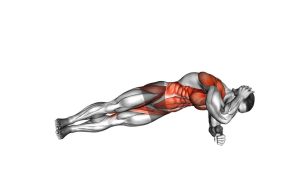
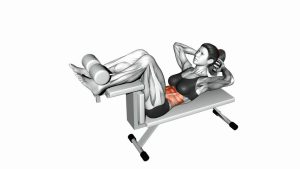
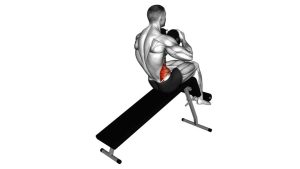
In the video, the athlete starts in a horizontal position with the feet secured and the arms crossed over the chest. Therefore, the setup should feel stable before any twisting begins.
Execution (Step-by-Step)
- Hold the start position: Keep your body long, horizontal, and controlled on the GHD bench.
- Begin the twist: Slowly rotate your torso to one side while keeping your hips and legs fixed.
- Control the peak: Reach a comfortable end range without forcing the spine or dropping the torso.
- Pause briefly: Hold the rotated position for a short moment while maintaining core tension.
- Return to center: Rotate back slowly until your torso is straight again.
- Repeat with control: Continue for the target reps, keeping each twist smooth and deliberate.
Pro Tips & Common Mistakes
Pro Tips
- Rotate slowly: A controlled twist trains the obliques better than a fast swing.
- Keep the hips quiet: Lock the lower body into position so the movement comes from the trunk.
- Use a small range first: Start with moderate rotation before trying a deeper twist.
- Brace before moving: Create tension through the midsection before each repetition.
- Return with control: The center return is just as important as the twist.
Common Mistakes
- Swinging the torso: Momentum reduces oblique tension and increases stress on the spine.
- Letting the hips rotate: Hip movement makes the exercise less targeted.
- Over-arching the back: Excessive extension can shift stress into the lower back.
- Twisting too far: Forcing range can create discomfort and poor control.
- Losing the horizontal line: Dropping the torso changes the exercise and reduces stability.
FAQ
What muscles does the Glute-Ham Twist work?
The Glute-Ham Twist mainly works the obliques. In addition, the rectus abdominis, transverse abdominis, spinal erectors, glutes, and hamstrings help stabilize the body during the movement.
Is the Glute-Ham Twist beginner-friendly?
No. This exercise is better for advanced trainees because it requires a stable horizontal body position, strong core control, and good awareness of spinal rotation.
Should I twist as far as possible?
No. Use a controlled range that you can manage without hip movement, swinging, or lower-back discomfort. Quality matters more than maximum rotation.
Can I do this exercise without a glute-ham developer?
This exact version requires a glute-ham developer or a similar bench that can secure the feet and support the hips. However, simpler rotational core exercises can be used if that machine is not available.
Why do my lower back muscles work during this exercise?
The lower back muscles help stabilize the torso while you rotate. However, if they dominate the movement, reduce the range, slow down, and focus on bracing the abs and obliques.
Recommended Equipment
- Glute-Ham Developer Bench — the main machine used for the Glute-Ham Twist.
- Back Extension Bench — a useful alternative for similar posterior-chain and core stability drills.
- Ab Mat — helpful for additional core training and trunk control work.
- Weightlifting Belt — optional support for heavy lower-body training days, not required for this movement.
- Exercise Mat — useful for warm-up core drills before using the GHD machine.
Tip: Choose stable equipment that allows secure foot placement and controlled body positioning. Stability is more important than extra difficulty for this exercise.