Lateral Elbow Plank Walk: Core Stability, Form, Sets & Tips
Learn the Lateral Elbow Plank Walk for stronger abs, obliques, shoulders, and plank control. Includes form, sets, mistakes, FAQs, and gear.
Lateral Elbow Plank Walk
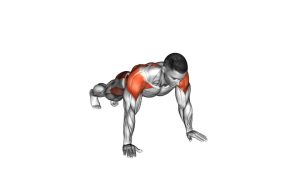
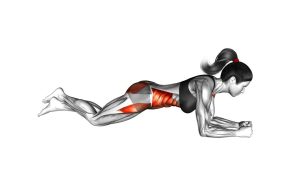
This exercise works best when the movement stays slow, compact, and controlled. Because the body shifts from side to side, your core must resist twisting, sagging, and hip rotation. Therefore, the goal is not to move quickly. Instead, focus on keeping your ribs down, glutes lightly engaged, elbows steady, and spine neutral through every lateral step.
Quick Overview
| Body Part | Core |
|---|---|
| Primary Muscle | Rectus abdominis and obliques |
| Secondary Muscle | Shoulders, chest, triceps, glutes, hip stabilizers, and quads |
| Equipment | No equipment required; exercise mat optional |
| Difficulty | Intermediate |
Sets & Reps (By Goal)
- Core control: 2–3 sets × 6–10 lateral steps per side, using a slow tempo.
- Muscular endurance: 3–4 sets × 20–40 seconds, resting 45–75 seconds between sets.
- Shoulder stability: 2–4 sets × 4–8 steps per side, pausing briefly after each step.
- Conditioning finisher: 3 rounds × 30 seconds, keeping the hips level throughout.
Progression rule: First increase control, then add time. Once your hips stay level and your elbows move smoothly, increase the number of steps or extend the working interval.
Setup / Starting Position
- Start on your forearms: Place both elbows under your shoulders with forearms on the floor.
- Extend your legs back: Keep your feet close together or slightly apart for balance.
- Brace your core: Pull your ribs down gently and tighten your abs as if preparing for pressure.
- Set your spine: Keep your head, upper back, hips, knees, and heels in one long line.
- Prepare to move sideways: Keep your chest facing the floor before the first lateral step.
Tip: Use a mat if your elbows feel uncomfortable. However, avoid a surface that is too soft because it may make your shoulders unstable.
Execution (Step-by-Step)
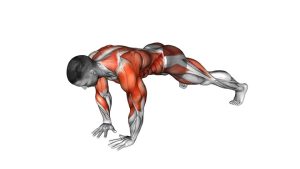
- Begin in a strong elbow plank: Press your forearms into the floor and keep your body straight.
- Step one forearm sideways: Move one elbow and forearm a short distance to the side.
- Shift your body with control: Let your torso travel sideways without rotating your hips.
- Bring the opposite forearm in: Move the second elbow in the same direction to rebuild your plank base.
- Adjust your feet: Let your feet follow in small steps while your legs remain extended.
- Continue laterally: Repeat the elbow-and-foot sequence for the planned distance or reps.
- Return the other way: Move back in the opposite direction using the same slow, controlled pattern.
Pro Tips & Common Mistakes
- Keep the hips level: The main challenge is resisting rotation while moving sideways.
- Use short steps: Smaller steps make it easier to maintain a clean plank line.
- Do not rush: Fast movement often causes shoulder shifting, hip swaying, and core compensation.
- Avoid sagging: If your stomach drops toward the floor, reset your ribs and squeeze your glutes lightly.
- Do not hike the hips: Raising your hips too high reduces core demand and changes the exercise.
- Press through the forearms: Strong forearm pressure helps protect the shoulders and stabilize the upper body.
- Keep the neck neutral: Look slightly down instead of lifting your head forward.
FAQ
What muscles does the Lateral Elbow Plank Walk work?
The exercise mainly targets the abs and obliques. In addition, it trains the shoulders, chest, triceps, glutes, quads, and hip stabilizers because the body must stay rigid while moving sideways.
Is the Lateral Elbow Plank Walk good for beginners?
It can be challenging for complete beginners. Therefore, start with a regular elbow plank first. Once you can hold a stable forearm plank without hip sagging, progress to short lateral steps.
Should my hips move during the exercise?
Your hips will travel sideways with your body, but they should not twist, drop, or swing. Ideally, your torso stays square to the floor from start to finish.
How many steps should I do per set?
Start with 6–10 controlled steps per side. After that, increase time or distance only if your plank line remains stable.
Why do I feel this in my shoulders?
Shoulder engagement is normal because your forearms support your body weight. However, if you feel sharp pain or pinching, reduce the range, rest, or choose an easier plank variation.
Can I do this exercise every day?
You can practice it often if the volume is low and your shoulders recover well. Still, for harder sets, allow recovery time between sessions.
Recommended Equipment (Optional)
- Exercise Mat — adds elbow comfort and helps create a stable floor surface.
- Workout Elbow Pads — useful if forearm pressure limits plank practice.
- Core Sliders — helpful for advanced core variations and controlled lateral movement drills.
- Resistance Bands Set — useful for pairing this move with shoulder and upper-back stability work.
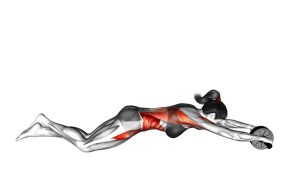
- Ab Wheel Roller — a strong companion tool for advanced anti-extension core training.
Tip: Equipment is optional for this exercise. However, a firm mat can make the movement more comfortable without changing the main bodyweight challenge.