Sitting Opposite Tap: Core Exercise Form, Sets, Tips & FAQ
Learn the Sitting Opposite Tap for core control, oblique activation, and seated balance with step-by-step form, sets, tips, FAQs, and equipment.
Sitting Opposite Tap
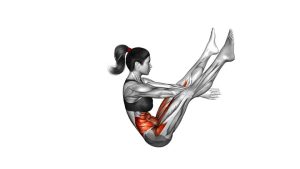
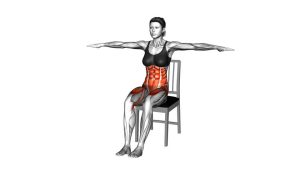
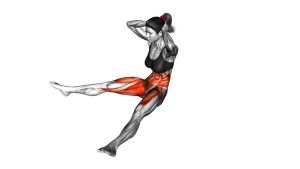
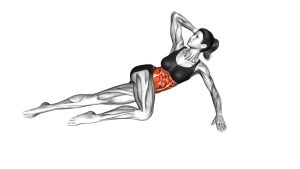
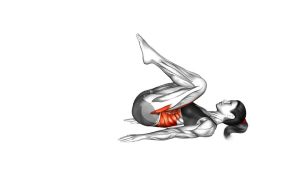
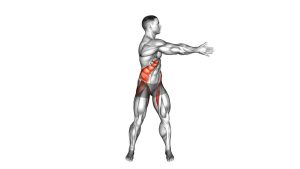
This exercise works best when the torso rotates with control while the legs stay lifted and steady. Since the body is seated and slightly leaned back, the abs must work continuously to prevent collapsing, rocking, or losing balance. As a result, every repetition should feel like a controlled side-to-side tap, not a rushed arm swing.
Quick Overview
| Body Part | Core |
|---|---|
| Primary Muscle | Obliques and rectus abdominis |
| Secondary Muscle | Hip flexors, transverse abdominis, lower back stabilizers |
| Equipment | Bodyweight only; optional padded stool or bench |
| Difficulty | Beginner to intermediate, depending on leg height and rotation speed |
Sets & Reps (By Goal)
- Core control: 2–3 sets × 10–16 total taps with a slow, steady tempo
- Oblique endurance: 3–4 sets × 16–24 total taps with 30–45 seconds rest
- Beginner balance practice: 2 sets × 8–12 total taps with feet lightly touching down if needed
- Conditioning finisher: 2–3 rounds × 20–30 seconds while maintaining clean form
Progression rule: First increase control and range slightly. Then increase reps or time. Finally, make the exercise harder by lifting the legs higher or slowing the tap-to-tap transition.
Setup / Starting Position
- Sit on a stable surface: Use a padded stool, bench, or firm seat that does not slide.
- Lean back slightly: Keep the torso tall enough to avoid rounding, but angled enough to engage the abs.
- Lift the legs: Bend the knees and raise the feet off the floor if you can control the position.
- Brace gently: Tighten the midsection as if preparing for a small cough, while still breathing normally.
- Set the arms forward: Keep the hands ready to move across the body toward the opposite side.
Tip: If balance is difficult, start with the heels lightly touching the floor. Then lift the feet once your torso control improves.
Execution (Step-by-Step)
- Start tall and braced: Sit with the chest lifted, knees bent, and legs controlled.
- Rotate to one side: Turn the torso while reaching one hand across the body toward the opposite side.
- Tap with control: Touch or reach near the opposite side without dropping the legs or collapsing the chest.
- Return through center: Bring the torso back smoothly while keeping the abs engaged.
- Repeat to the other side: Rotate in the opposite direction and perform the same controlled tap.
- Continue alternating: Move left and right with a steady rhythm until the set is complete.
Pro Tips & Common Mistakes
- Rotate from the core: Let the rib cage and torso turn instead of only swinging the arms.
- Keep the legs stable: Avoid kicking, dropping, or bouncing the feet during each tap.
- Control the lean: Lean back enough to challenge the abs, but not so far that the lower back takes over.
- Avoid rushing: Fast reps often reduce core tension and make the exercise sloppy.
- Stay tall through the chest: Do not round forward or collapse into the hips.
- Breathe consistently: Exhale slightly as you rotate and tap, then inhale as you return through center.
- Use a smaller range when needed: A clean short tap is better than a large uncontrolled twist.
FAQ
What muscles does the Sitting Opposite Tap work?
The movement mainly trains the obliques and rectus abdominis. In addition, the hip flexors help keep the legs lifted, while the deeper core muscles stabilize the torso.
Is the Sitting Opposite Tap good for beginners?
Yes, it can be beginner-friendly when performed with a small range and controlled tempo. However, beginners may keep the heels lightly on the floor until they can maintain balance without lower-back strain.
Should my feet stay off the floor?
In the visible movement, the legs stay lifted to increase core demand. Nevertheless, you can modify the exercise by touching the heels down if balance or back comfort becomes difficult.
How fast should I perform the taps?
Use a moderate, controlled rhythm. Although the exercise can be performed continuously, it should not become a wild twist. Each tap should stay smooth, balanced, and intentional.
Why do I feel this in my hip flexors?
Because the legs are lifted, the hip flexors assist with holding the knees up. If they dominate too much, lower the feet, shorten the set, or reduce the backward lean.
Recommended Equipment (Optional)
- Padded Workout Stool — useful for seated core drills and stable tap variations
- Adjustable Workout Bench — provides a firm seated surface for abs, obliques, and balance work
- Exercise Mat — helpful for warm-ups, floor core work, and safer training space
- Core Sliders — useful for related ab and oblique control exercises
- Mini Resistance Bands — helpful for adding hip and core activation to warm-ups
Tip: Equipment is optional for this exercise. Choose a stable seated surface first, because balance and control matter more than added resistance.