Front Plank to Side Plank: Form, Benefits, Sets, Tips & Core Control
Learn the Front Plank to Side Plank for core stability, oblique strength, shoulder control, proper form, sets, mistakes, FAQs, and gear.
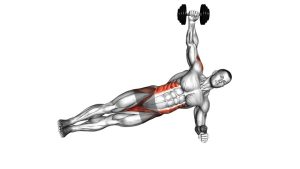
Front Plank to Side Plank
This movement works best when the body rotates as one strong unit. Therefore, keep your ribs controlled, brace your core, and avoid letting the hips drop during the side plank. In addition, the supporting shoulder should stay firm, stacked, and stable throughout each turn.
Quick Overview
| Body Part | Core |
|---|---|
| Primary Muscle | Obliques and rectus abdominis |
| Secondary Muscle | Shoulders, transverse abdominis, glutes, hip stabilizers, and lower back stabilizers |
| Equipment | No equipment required; exercise mat optional |
| Difficulty | Intermediate because it requires plank strength, shoulder stability, and rotational control |
Sets & Reps (By Goal)
- Core stability: 2–3 sets × 6–10 reps per side with slow control.
- Oblique strength: 3–4 sets × 8–12 reps per side with a brief side-plank pause.
- Conditioning finisher: 2–3 rounds × 30–45 seconds while maintaining clean form.
- Beginner progression: 2 sets × 4–6 reps per side with feet wider for balance.
Progression rule: First improve control and alignment. Then, increase reps, add a longer pause, or slow the rotation before adding more total volume.
Setup / Starting Position
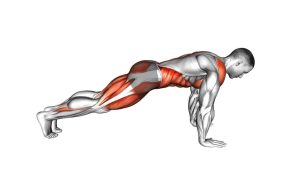
- Start in a high plank: Place both hands under your shoulders with arms straight.
- Set your feet: Keep feet about hip-width apart for balance, or slightly wider if needed.
- Brace your core: Pull the ribs down gently and keep the body long from head to heels.
- Keep your neck neutral: Look slightly down so the head stays aligned with the spine.
- Press the floor away: Keep the supporting shoulder active before you begin rotating.
Execution (Step-by-Step)
- Hold a strong front plank: Keep both hands planted, arms straight, and hips level.
- Rotate to one side: Lift one hand from the floor while turning your chest open.
- Stack the shoulder: Keep the supporting hand under the shoulder as the body turns.
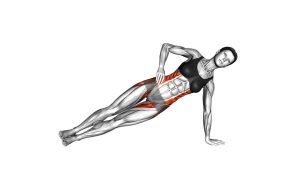
- Lift the top arm: Reach the free arm upward while keeping the hips high.
- Pause briefly: Hold the side plank for a moment without letting the waist collapse.
- Return with control: Lower the top arm and rotate back into the front plank.
- Repeat on the other side: Turn smoothly in the opposite direction and maintain the same alignment.
Pro Tips & Common Mistakes
- Do not rush the rotation: A slower turn builds better oblique control and shoulder stability.
- Avoid hip sagging: Keep the glutes lightly squeezed so the pelvis stays lifted.
- Keep the wrist stacked: The grounded hand should stay close to directly under the shoulder.
- Use your feet for balance: Pivot the feet smoothly instead of forcing the knees or hips.
- Do not over-arch the lower back: Brace the abs before each rotation.
- Open the chest fully: In the side plank, reach the top arm up and avoid rounding forward.
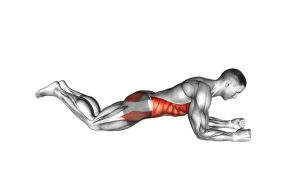
- Regress when needed: Use a wider foot stance or perform the movement from the knees if control is poor.
FAQ
What muscles does the Front Plank to Side Plank work?
It mainly works the obliques, abs, and transverse abdominis. Additionally, it trains the shoulders, glutes, hips, and spinal stabilizers because the body must stay strong while rotating.
Is the Front Plank to Side Plank good for beginners?
It can be challenging for complete beginners. However, beginners can start with a wider foot stance, shorter holds, or a knee-supported version before progressing to the full high-plank variation.
Why do my hips drop during the side plank?
Hip drop usually happens when the obliques, glutes, or shoulder stabilizers lose tension. Therefore, reduce speed, widen your feet, and focus on lifting the bottom side of your waist away from the floor.
Should I pause in the side plank?
Yes, a short pause improves control. Start with a 1-second pause, then gradually increase to 2–3 seconds if your shoulder, hips, and core stay stable.
Can this exercise help with rotational core strength?
Yes. The exercise teaches the core to rotate under control and resist collapsing. As a result, it is useful for oblique strength, trunk stability, and athletic core control.
Recommended Equipment (Optional)
- Exercise Mat — adds comfort for hands, feet, and knees during plank variations.
- Push-Up Handles — may reduce wrist extension and support a stronger hand position.
- Wrist Wraps — provide light support for users who need extra wrist stability.
- Core Sliders — useful for advanced plank progressions and controlled core drills.
- Resistance Bands Set — helpful for pairing this move with shoulder and upper-back stability work.
Tip: Equipment is optional. However, a supportive mat and stable hand position can make the exercise more comfortable while you focus on clean rotation and full-body tension.