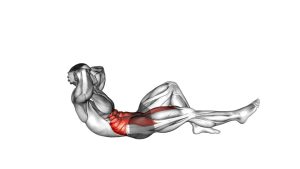
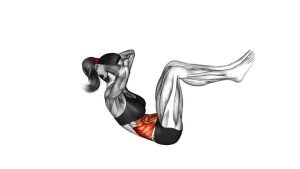
Russian Twist Exercise: Proper Form, Oblique Benefits, Sets & Tips
Learn how to do the Russian Twist with proper form to strengthen obliques, abs, and core rotation. Includes setup, reps, tips, FAQs, and gear.
Russian Twist
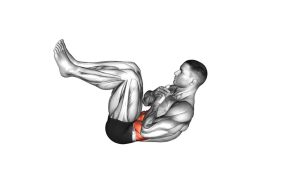
The Russian Twist is useful for building rotational core strength, especially when you want stronger obliques, better trunk control, and a more athletic midsection. Because the exercise is performed from a seated position, it also challenges balance and hip-flexor stability. For beginners, the feet can stay lightly on the floor. For a harder version, the feet can be lifted, or a light medicine ball, dumbbell, or weight plate can be added.
During the movement, your hands travel from one side of the body to the other, but the arms should not do all the work. Your shoulders, ribs, and upper torso should rotate together. This keeps the exercise focused on the core instead of turning it into a loose arm-swinging drill.
Quick Overview
| Body Part | Core |
|---|---|
| Primary Muscle | Obliques |
| Secondary Muscle | Rectus abdominis, transverse abdominis, hip flexors, lower back stabilizers |
| Equipment | Bodyweight only; optional medicine ball, dumbbell, kettlebell, or weight plate |
| Difficulty | Beginner to Intermediate depending on foot position, tempo, and added resistance |
Sets & Reps (By Goal)
- Beginner core control: 2–3 sets × 8–12 reps per side with feet on the floor.
- Core endurance: 3–4 sets × 15–25 reps per side using a steady, controlled rhythm.
- Oblique strength: 3–4 sets × 10–15 reps per side while holding a light weight.
- Fat-loss circuit training: 30–45 seconds per set, paired with planks, mountain climbers, or leg raises.
- Athletic rotation practice: 3 sets × 10–12 reps per side with strict torso control and no bouncing.
Progression rule: First improve control, posture, and breathing. Then increase reps. After that, lift the feet or add light resistance. Do not add heavy weight if your lower back starts to take over.
Setup / Starting Position
- Sit on the floor: Bend your knees and place your feet in front of you about hip-width apart.
- Lean back slightly: Move your torso back until your abs engage, usually around a 30–45 degree angle.
- Lift your chest: Keep the spine long. Avoid collapsing into a rounded lower-back position.
- Set your hands: Clasp your hands together in front of your chest, or hold a light weight close to your body.
- Brace your core: Tighten your abs gently as if preparing for a small punch to the stomach.
- Choose your foot position: Keep feet on the floor for control, or lift them slightly for a harder version.
- Keep your neck neutral: Look forward and allow your head to follow the torso naturally during each twist.
Tip: If you are new to Russian Twists, keep your heels lightly on the floor. This makes it easier to learn the rotation without pulling too much from the hip flexors or lower back.
Execution (Step-by-Step)
- Start in a strong seated position: Sit tall, lean back slightly, and keep your ribs stacked over your hips. Your abs should already feel active before the first rep begins.
- Rotate to one side: Turn your shoulders and torso together. Bring your hands toward the outside of one hip without dropping the chest or twisting only from the arms.
- Pause briefly: Stop for a short moment at the end of the twist. This prevents momentum and helps the obliques work harder.
- Return through center: Rotate back to the middle with control. Keep your legs stable and avoid letting the knees sway wildly.
- Rotate to the opposite side: Move your torso across to the other hip. Keep the same range and speed on both sides.
- Continue alternating: Repeat side to side while breathing smoothly. Exhale gently as you rotate and inhale as you return through center.
Pro Tips & Common Mistakes
Pro Tips
- Move from the ribs: Think about turning your rib cage, not just swinging your hands side to side.
- Keep the chest lifted: A tall chest helps protect your lower back and improves oblique engagement.
- Use a slower tempo: A controlled Russian Twist is more effective than a fast, sloppy one.
- Keep the weight close: If using resistance, hold it near the torso to avoid unnecessary shoulder strain.
- Control the knees: The lower body should stay relatively stable while the torso rotates.
- Match both sides: Rotate evenly left and right so one side does not dominate the movement.
Common Mistakes
- Rounding the lower back: This shifts stress away from the abs and may irritate the spine.
- Moving too fast: Speed often turns the exercise into momentum instead of controlled core work.
- Only moving the arms: The hands should follow the torso, not lead the entire exercise.
- Using too much weight: Heavy resistance can make form break down quickly.
- Holding the breath: Shallow breathing increases tension and reduces control.
- Twisting too far: Excessive range can create unwanted stress through the lower back.
FAQ
What muscles does the Russian Twist work?
The Russian Twist mainly works the obliques, which help rotate and stabilize the torso. It also trains the rectus abdominis, transverse abdominis, hip flexors, and lower-back stabilizers.
Should I keep my feet on the floor or lift them?
Keep your feet on the floor if you are learning the movement or if your lower back feels unstable. Lift your feet only when you can rotate smoothly without rounding, swinging, or losing control.
Is the Russian Twist good for beginners?
Yes, it can be beginner-friendly when performed with the feet grounded, a small range of motion, and no added weight. Beginners should focus on posture and control before increasing difficulty.
Can I do Russian Twists every day?
You can include light Russian Twists often, but intense weighted twisting every day is usually unnecessary. For most people, 2–4 times per week works well when combined with planks, leg raises, dead bugs, and other core exercises.
Why does my lower back hurt during Russian Twists?
Lower-back discomfort often happens when the spine rounds, the movement is too fast, or the weight is too heavy. Try placing your feet down, reducing the range, sitting taller, and rotating more slowly.
Are weighted Russian Twists better than bodyweight Russian Twists?
Weighted Russian Twists are not automatically better. Bodyweight reps are best for learning control. Add resistance only when you can keep the torso stable, the chest lifted, and the movement smooth.
Recommended Equipment (Optional)
- Exercise Mat — provides floor comfort and support during seated core exercises.
- Medicine Ball — useful for adding light resistance to Russian Twists and other rotational core drills.
- Soft Weighted Medicine Ball — easier to grip and beginner-friendly for controlled weighted twists.
- Hex Dumbbell — a simple option for adding resistance when bodyweight reps become too easy.
- Core Sliders — helpful for pairing Russian Twists with mountain climbers, plank reaches, and other ab exercises.
Tip: Choose light resistance first. The Russian Twist works best when your rotation stays clean, your spine stays controlled, and your obliques—not momentum—drive the movement.