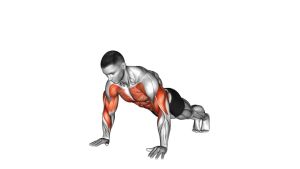
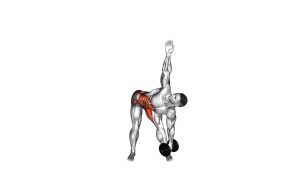
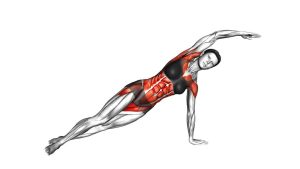
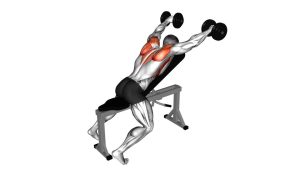
Crawl Switch: Form, Benefits, Sets, Core Tips & Common Mistakes
Learn the Crawl Switch exercise for core stability, shoulder endurance, coordination, and conditioning with step-by-step form, sets, tips, FAQs, and gear.
Crawl Switch
This exercise works best when the movement stays fast enough to challenge coordination but controlled enough to protect posture. You should feel your core, shoulders, arms, hips, quads, and calves working together as you switch foot positions from a low crawl stance. Keep the body compact and avoid letting the hips rise too high.
Quick Overview
| Body Part | Cardio |
|---|---|
| Primary Muscle | Core stabilizers, shoulders, hip flexors, quads |
| Secondary Muscle | Chest, triceps, glutes, calves, upper back |
| Equipment | None; optional exercise mat |
| Difficulty | Intermediate |
Sets & Reps (By Goal)
- Technique practice: 2–3 sets × 6–10 controlled switches per side
- Core conditioning: 3–4 sets × 20–30 seconds
- Cardio finisher: 4–6 rounds × 20 seconds work / 40 seconds rest
- Athletic coordination: 3–5 sets × 10–16 total switches with crisp foot placement
Progression rule: First improve control, then increase speed. Do not progress to faster switches if your hips bounce, your shoulders collapse, or your lower back starts to sag.
Setup / Starting Position
- Start on all fours: Place your hands under your shoulders and knees under your hips.
- Lift the knees: Hover both knees slightly above the floor to enter a bear crawl position.
- Brace the core: Keep your ribs down, back flat, and hips low.
- Set your feet: Keep your feet active and ready to switch quickly under the body.
- Keep the neck neutral: Look slightly down and forward without dropping the head.
Tip: Before moving quickly, hold the bear crawl position for 10–20 seconds to confirm that your wrists, shoulders, and core can support the drill.
Execution (Step-by-Step)
- Brace first: Create tension through your hands, shoulders, abs, and legs.
- Shift weight slightly: Load the hands and one foot so the opposite leg can move freely.
- Switch the feet: Move one foot forward while the other foot moves back in a quick alternating pattern.
- Stay low: Keep your hips close to bear crawl height instead of lifting into a pike position.
- Control the landing: Place the feet softly and avoid slamming them into the floor.
- Repeat rhythmically: Continue switching while keeping the torso stable and shoulders strong.
Pro Tips & Common Mistakes
- Keep the movement compact: Small, clean switches are better than large uncontrolled steps.
- Avoid high hips: If your hips rise too much, the drill loses core tension.
- Do not sag the lower back: Brace your abs and keep the ribs pulled down.
- Use active shoulders: Push the floor away and keep your shoulder blades stable.
- Land quietly: Soft foot placement improves control and reduces unnecessary impact.
- Do not rush early: Build rhythm slowly before using this as a conditioning drill.
- Use a mat if needed: A stable mat can improve comfort for wrists and feet.
FAQ
What is the Crawl Switch exercise?
The Crawl Switch is a bodyweight conditioning drill performed from a bear crawl position. You keep the hands grounded while quickly switching the feet under the body to train core control, shoulder stability, coordination, and cardio endurance.
Is the Crawl Switch good for core training?
Yes. The exercise challenges the core because the torso must resist rotation, extension, and side-to-side shifting while the legs move quickly.
Is this exercise beginner-friendly?
It is best for intermediate trainees. Beginners should first practice bear crawl holds, slow bear crawl steps, and mountain climbers before adding fast switches.
Where should I feel the Crawl Switch?
You should feel it in your abs, shoulders, arms, hip flexors, quads, and calves. If you mainly feel your lower back, slow down and reduce the range of the switch.
Can I use the Crawl Switch for fat-loss workouts?
Yes. It can be used in circuits or interval training because it raises heart rate quickly while also training full-body coordination and core endurance.
Recommended Equipment
- Exercise Mat — adds floor comfort and helps protect hands, knees, and feet during crawl drills
- Workout Training Gloves — useful for grip support and hand comfort during repeated ground-based movement
- Core Sliders — helpful for slower crawl variations and advanced core-control progressions
- Resistance Bands Set — useful for warm-ups, shoulder activation, and hip preparation before conditioning work
- Agility Cones — useful for creating crawl switch circuits, coordination drills, and athletic conditioning lanes
Tip: For this exercise, the best equipment is simple and supportive. Choose tools that improve comfort, grip, and movement quality without making the drill unstable.