Bodyweight Split Squat: Proper Form, Sets, Benefits & FAQ
Learn the Bodyweight Split Squat for stronger quads, glutes, balance, and lower-body control. Includes setup, steps, sets, tips, FAQs, and equipment.
Bodyweight Split Squat
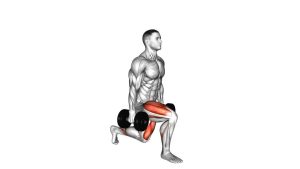
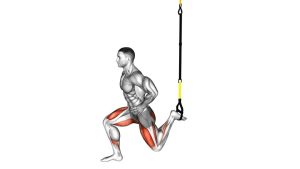
This exercise is excellent for learning lower-body control because it trains each leg separately without requiring weights. The front leg performs most of the work while the rear leg supports balance. A clean rep should feel controlled, vertical, and stable, with the front knee tracking in line with the toes and the torso staying tall.
Quick Overview
| Body Part | Legs |
|---|---|
| Primary Muscle | Quadriceps |
| Secondary Muscle | Glutes, hamstrings, adductors, calves, and core stabilizers |
| Equipment | No equipment required |
| Difficulty | Beginner to Intermediate |
Sets & Reps (By Goal)
- Beginner technique: 2–3 sets × 6–8 reps per leg with slow control.
- Muscle growth: 3–4 sets × 8–12 reps per leg with a full controlled range.
- Strength endurance: 3–5 sets × 12–20 reps per leg using steady tempo.
- Balance and control: 2–4 sets × 6–10 reps per leg with a 2–3 second lower.
Progression rule: First improve depth, balance, and tempo. Then increase reps, add pauses, or progress to dumbbell split squats when bodyweight reps feel easy and stable.
Setup / Starting Position
- Stand tall: Start with feet hip-width apart and posture upright.
- Step one foot back: Create a comfortable split stance with the front foot flat and the rear heel lifted.
- Set your balance: Keep the front foot rooted through the heel, big toe, and little toe.
- Align the hips: Keep both hips facing forward instead of rotating outward.
- Brace lightly: Keep the ribs down, core active, and shoulders relaxed.
A longer stance usually increases glute involvement, while a shorter stance usually increases quad demand. Choose the stance that lets you move smoothly without knee discomfort.
Execution (Step-by-Step)
- Begin in a fixed split stance: Keep both feet planted and your torso tall.
- Lower straight down: Bend both knees and let the rear knee travel toward the floor.
- Track the front knee: Keep the front knee moving in the same direction as the toes.
- Control the bottom: Stop when the rear knee is close to the floor or when you reach your comfortable depth.
- Drive through the front leg: Push through the front foot to return to the top position.
- Repeat with control: Complete all reps on one side before switching legs, or alternate sides if preferred.
Pro Tips & Common Mistakes
- Keep the front heel down: Lifting the heel reduces stability and can increase knee stress.
- Do not bounce at the bottom: Pause briefly or reverse smoothly with control.
- Avoid collapsing inward: Keep the front knee aligned with the toes.
- Do not overuse the back leg: The rear leg should assist balance, not dominate the movement.
- Keep the torso controlled: A small forward lean is acceptable, but avoid rounding the back.
- Use a consistent stance: Mark your foot position if needed so both sides train evenly.
FAQ
Is the bodyweight split squat the same as a lunge?
It is similar, but not exactly the same. In a split squat, your feet stay fixed in one position. In a lunge, you usually step forward, backward, or sideways between reps.
Should I feel the split squat more in my quads or glutes?
You can feel both. A more upright torso and shorter stance usually emphasize the quadriceps. A slightly longer stance and small forward torso angle can increase glute involvement.
How deep should I go?
Lower until your rear knee is close to the floor or until you reach a pain-free range. Depth should never come at the cost of knee tracking, balance, or front-foot stability.
Why do I lose balance during split squats?
Balance issues often come from a stance that is too narrow, rushing the descent, or placing too much pressure on the back foot. Widen your stance slightly and slow down each rep.
Can beginners do bodyweight split squats?
Yes. Beginners can start with a partial range of motion and use a wall, chair, or rack for light support. As balance improves, they can increase depth and perform the movement unsupported.
Recommended Equipment
- Exercise Mat — useful for comfort and stable foot placement during home workouts
- Adjustable Dumbbells — ideal for progressing from bodyweight split squats to loaded split squats
- Resistance Bands Set — helpful for warm-ups, glute activation, and lower-body accessory work
- Exercise Knee Pad — adds comfort if the rear knee gets close to the floor
- Flat Training Shoes — improves balance and foot stability during split-stance movements
Tip: You do not need equipment to perform this exercise, but simple tools can improve comfort, progression, and consistency as your strength improves.