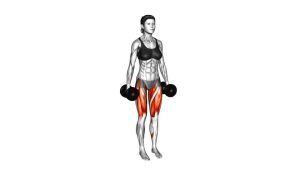
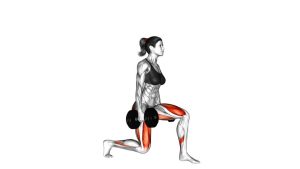
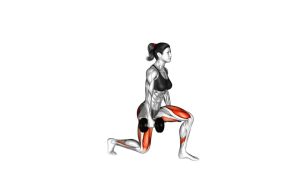
Stair Step-Up: Proper Form, Muscles Worked, Sets, Tips & FAQ
Learn the Stair Step-Up for stronger legs, glutes, balance, and functional lower-body control. Includes form, sets, mistakes, FAQs, and gear.
Stair Step-Up
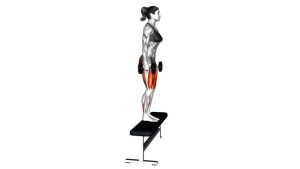
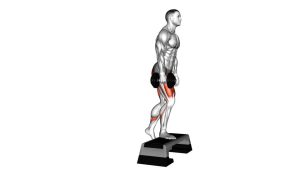
This exercise works best when the front leg does most of the work. Keep your whole foot planted on the step, brace your core lightly, and move with a smooth up-and-down rhythm. The Stair Step-Up is excellent for building practical leg strength, improving stair-climbing ability, and training each leg independently.
Quick Overview
| Body Part | Legs |
|---|---|
| Primary Muscle | Quadriceps and gluteus maximus |
| Secondary Muscle | Hamstrings, calves, gluteus medius, core stabilizers |
| Equipment | Stair, step, box, or sturdy elevated platform |
| Difficulty | Beginner to intermediate depending on step height and tempo |
Sets & Reps (By Goal)
- Beginner control: 2–3 sets × 8–10 reps per leg with a low step
- Muscle endurance: 3–4 sets × 12–20 reps per leg with steady tempo
- Glute and leg strength: 3–5 sets × 8–12 reps per leg with slow lowering
- Balance and stability: 2–4 sets × 6–10 reps per leg with a 1–2 second pause at the top
Progression rule: First improve control, then increase reps, then increase step height or add dumbbells.
Setup / Starting Position
- Choose a stable step: Use a stair or platform that allows your foot to sit fully on top.
- Place one foot on the step: Keep the whole foot planted, especially the heel and midfoot.
- Stand tall: Keep your chest lifted, ribs stacked, and core lightly braced.
- Align the knee: Point the knee in the same direction as the toes.
- Relax the arms: Let the arms move naturally or use them slightly for balance.
A lower step is better when learning. A higher step increases hip and knee demand but also requires more control.
Execution (Step-by-Step)
- Load the front leg: Shift your weight onto the foot that is placed on the step.
- Drive through the step: Press through the heel and midfoot to lift your body upward.
- Extend the hip and knee: Stand tall at the top without leaning back or locking aggressively.
- Control the balance: Keep the pelvis level and avoid letting the knee cave inward.
- Lower slowly: Step back down with control, letting the working leg manage the descent.
- Repeat on one side or alternate: Complete all reps on one leg or switch legs each repetition.
Pro Tips & Common Mistakes
- Use the full foot: Do not step up from the toes only. Keep the heel connected to the platform.
- Control the knee: Avoid letting the knee collapse inward as you rise or lower.
- Do not jump from the floor: The back leg should assist minimally, not launch the movement.
- Keep the torso stable: A small forward lean is normal, but avoid folding over the thigh.
- Lower with control: The descent builds strength and protects the joints.
- Match the step height to your ability: Higher is not always better if your form breaks down.
- Train both sides evenly: Use the same reps, height, and tempo for each leg.
FAQ
What muscles does the Stair Step-Up work?
The Stair Step-Up mainly works the quadriceps and glutes. It also trains the hamstrings, calves, glute medius, and core stabilizers because each leg must control balance and alignment.
Is the Stair Step-Up good for beginners?
Yes. It is beginner-friendly when performed on a low, stable step. Beginners should focus on smooth control, full-foot pressure, and avoiding excessive push-off from the back leg.
Should I feel Stair Step-Ups more in my glutes or quads?
You may feel both. A slightly higher step and strong heel drive often increase glute involvement, while a lower step or more upright pattern may feel more quad-dominant.
Can I do Stair Step-Ups every day?
Light step-ups can be used often for movement practice, but harder sets should be programmed with recovery. For strength or muscle goals, 2–4 sessions per week is usually more practical.
How can I make the Stair Step-Up harder?
You can increase the step height, slow the lowering phase, pause at the top, hold dumbbells, or perform controlled reps without using momentum.
Recommended Equipment
- Adjustable Aerobic Step Platform — useful for controlling step height and practicing consistent reps
- Plyometric Box — sturdy option for step-ups, box squats, and lower-body conditioning
- Non-Slip Exercise Mat — helps improve floor grip and comfort during home workouts
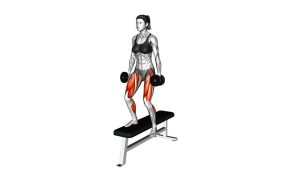
- Dumbbell Set — adds resistance once bodyweight step-ups become easy
- Leg Resistance Bands — useful for glute activation and knee-tracking drills before step-ups
Tip: Choose equipment that stays stable and does not slide. For step-ups, safety and control matter more than height.