Sitting Bent-Over Back Stretch: Form, Benefits, Sets, Tips & FAQ
Learn how to perform the Sitting Bent-Over Back Stretch with proper form. Improve lower back and hamstring flexibility with setup tips, execution steps, common mistakes, FAQs, and recommended equipment.
Sitting Bent-Over Back Stretch
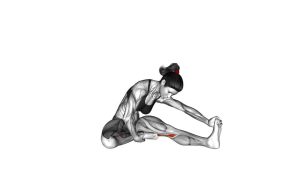
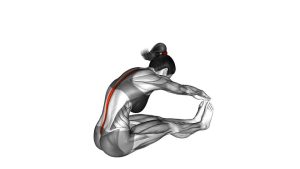
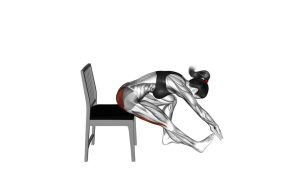
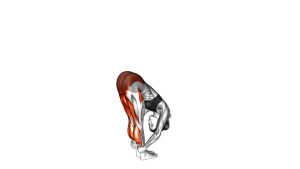
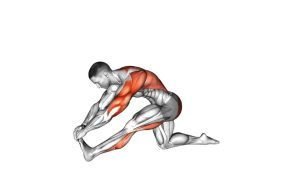
This exercise is best used as a gentle flexibility movement rather than a forceful toe-touch. You should feel a steady stretch through the lower back, hamstrings, and possibly the calves depending on your mobility. A mild rounding of the spine can increase the back-stretch component, but the movement should still feel controlled and comfortable. Ease into the end position instead of pulling yourself down aggressively.
Quick Overview
| Body Part | Lower Back |
|---|---|
| Primary Muscle | Erector spinae (lower back spinal extensors) |
| Secondary Muscle | Hamstrings, glutes, calves, thoracic spinal muscles |
| Equipment | None |
| Difficulty | Beginner |
Sets & Reps (By Goal)
- Daily mobility: 2–3 sets × 20–30 second holds
- Post-workout cooldown: 2–4 sets × 20–45 second holds
- Flexibility improvement: 3–4 sets × 30–60 second holds
- Desk-break reset: 1–2 sets × 15–25 second holds
Progression rule: Increase hold time first before trying to reach farther. Better mobility comes from consistency and controlled breathing, not forcing extra range.
Setup / Starting Position
- Sit on the floor: Extend both legs straight in front of you with the knees as straight as comfortably possible.
- Position the feet: Keep the toes pointed upward or lightly pulled back toward the shins.
- Sit tall first: Lengthen through the spine and lift the chest before beginning the stretch.
- Reach the arms forward: Extend your hands toward the feet, ankles, or shins depending on your flexibility.
- Relax the shoulders: Keep the neck and upper traps soft instead of shrugging upward.
Tip: If your hamstrings are very tight, sit on a folded towel or yoga block to make the starting position more comfortable.
Execution (Step-by-Step)
- Begin tall: Start in an upright seated position with the legs extended and the arms reaching forward.
- Hinge and fold: Slowly bend forward, reaching your hands toward the feet while letting the torso move over the legs.
- Ease into the stretch: Go only as far as you can without sharp discomfort. You may hold the shins, ankles, or feet.
- Hold the position: Breathe slowly and stay relaxed for the desired duration.
- Return with control: Gently lift the torso back to the starting position without jerking or bouncing.
Pro Tips & Common Mistakes
- Move slowly into position: A gradual fold gives the muscles time to relax and lengthen.
- Do not bounce: Repeated bouncing can irritate the hamstrings and lower back.
- Keep breathing: Slow exhales help you relax deeper into the stretch without forcing it.
- Reach only to your current range: Touching the toes is not required for the stretch to be effective.
- Do not yank on the feet: Pulling hard can overload tight tissues and make the stretch too aggressive.
- Adjust knee bend if needed: A slight knee bend is fine if straight legs create too much strain.
FAQ
Where should I feel the Sitting Bent-Over Back Stretch?
Most people feel it in the lower back and hamstrings. Depending on flexibility, you may also notice a stretch through the calves and upper back.
Is this exercise more for the back or the hamstrings?
It targets both. A more rounded upper body usually increases the back-stretch component, while a stronger hip hinge with a lifted chest can shift more of the emphasis toward the hamstrings.
How long should I hold the stretch?
For most people, 20 to 45 seconds per hold works well. Beginners can start shorter and gradually build duration over time.
Can beginners do this stretch?
Yes. It is beginner-friendly as long as you stay within a comfortable range. You can also bend the knees slightly or sit on a folded towel to make the position easier.
When should I use this stretch?
It works well after workouts, during mobility routines, or after long periods of sitting when the lower back and hamstrings feel stiff.
Recommended Equipment (Optional)
- Yoga Mat — creates a more comfortable surface for seated stretching and mobility work
- Stretching Strap — helps extend your reach without pulling too hard on the feet or lower back
- Yoga Block — useful for elevating the hips if tight hamstrings make the seated position uncomfortable
- Foam Roller — helpful for loosening the posterior chain before or after stretching sessions
- Mobility Resistance Band — useful for pairing flexibility work with light mobility and activation drills
Tip: Use props to make the stretch more comfortable and controlled. Good stretching tools should improve positioning, not force deeper range.