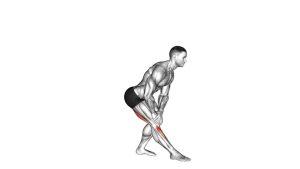
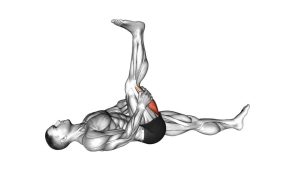
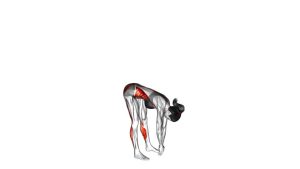
Supine Dynamic Assisted Hamstring Stretch: Form, Benefits, Tips & FAQ
Learn the Supine Dynamic Assisted Hamstring Stretch to improve hamstring mobility, hip flexibility, and lower-body control with safe form tips.
Supine Dynamic Assisted Hamstring Stretch
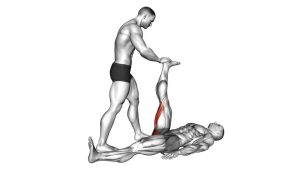
This exercise is best performed with a smooth rhythm and controlled assistance. You should feel a clear but comfortable stretch through the back of the thigh, not sharp pain behind the knee, pinching in the hip, or pulling in the lower back. Keep the opposite leg relaxed on the floor and use your hands to guide the working leg rather than yanking it into range.
Quick Overview
| Body Part | Hamstrings |
|---|---|
| Primary Muscle | Hamstrings — biceps femoris, semitendinosus, semimembranosus |
| Secondary Muscle | Glutes, calves, hip flexors, and core stabilizers |
| Equipment | None; optional yoga mat, stretching strap, or towel |
| Difficulty | Beginner — ideal for mobility, flexibility, warm-ups, and recovery work |
Sets & Reps (By Goal)
- Warm-up mobility: 1–2 sets × 8–12 controlled reps per leg before lower-body training.
- Flexibility development: 2–4 sets × 8–15 reps per leg with a 1–3 second pause at the top.
- Post-workout stretching: 2–3 sets × 20–40 seconds per leg using slower assisted reps or gentle holds.
- Recovery / desk-break mobility: 1–2 easy sets × 6–10 reps per leg with relaxed breathing.
Progression rule: Increase range gradually before increasing hold time. A clean, relaxed stretch is more valuable than forcing the leg higher with poor pelvic control.
Setup / Starting Position
- Lie on your back: Use a mat or comfortable floor surface. Keep your head, ribs, and hips relaxed.
- Extend one leg on the floor: Let the non-working leg stay long and relaxed without twisting outward.
- Bend the working leg: Bring one thigh toward your torso with the knee bent.
- Place your hands behind the thigh: Hold the back of the working thigh, not the knee joint or foot.
- Set your pelvis: Keep the lower back neutral and avoid lifting the hips as the leg rises.
- Prepare the ankle: Keep the foot neutral or gently pull the toes toward the shin if comfortable.
Tip: If your hamstrings feel very tight, start with a smaller knee extension and keep the thigh slightly farther from your torso.
Execution (Step-by-Step)
- Start from the bent-knee position: Hold behind the thigh and keep the opposite leg resting on the floor.
- Guide the thigh upward: Pull the working thigh gently toward your torso without rounding your lower back.
- Extend the knee smoothly: Straighten the leg until you feel a comfortable stretch through the hamstrings.
- Pause briefly: Hold the top position for 1–3 seconds while breathing calmly.
- Return under control: Bend the knee again and lower slightly back toward the starting position.
- Repeat with rhythm: Continue for the target reps, keeping every rep smooth and pain-free.
Pro Tips & Common Mistakes
- Hold behind the thigh: This keeps the stretch controlled and reduces unnecessary strain behind the knee.
- Do not bounce: Use smooth dynamic reps instead of fast, jerky pulses.
- Keep the lower back stable: If your hips lift, reduce the range of motion.
- Use a soft knee if needed: The leg does not need to be perfectly locked to stretch the hamstrings effectively.
- Breathe through the stretch: Exhale gently as the leg reaches the top position.
- Avoid pulling from the foot too early: Pulling the foot can increase nerve tension for some people.
- Keep the opposite leg relaxed: Do not press it hard into the floor or twist the pelvis.
- Work both sides: Compare left and right mobility, but do not force the tighter side to match immediately.
FAQ
What muscles does the Supine Dynamic Assisted Hamstring Stretch target?
It primarily targets the hamstrings, including the biceps femoris, semitendinosus, and semimembranosus. The glutes, calves, hip flexors, and core also assist with positioning and stability.
Is this a dynamic stretch or a static stretch?
It is mainly a dynamic assisted stretch when performed with repeated controlled reps. You can also turn it into a static stretch by holding the top position longer after your final rep.
Where should I feel the stretch?
You should feel it through the back of the thigh. A mild stretch near the upper hamstring or behind the thigh is normal. Sharp pain, numbness, tingling, or strong pulling behind the knee means you should reduce the range.
Should my knee be completely straight?
Not always. A slightly bent knee is acceptable, especially if your hamstrings are tight. Focus on a comfortable stretch and gradually improve knee extension over time.
Can I do this before leg workouts?
Yes. Use controlled dynamic reps before training to prepare the hamstrings and hips. Avoid long intense holds immediately before heavy strength work if they make your legs feel less powerful.
Can this help with tight hamstrings?
Yes, when performed consistently and without forcing. It can improve hamstring tolerance, hip flexion range, and awareness of pelvic control during leg movement.
Recommended Equipment (Optional)
- Yoga Mat — provides comfort and support while lying on the floor.
- Stretching Strap — useful if you cannot comfortably hold behind the thigh.
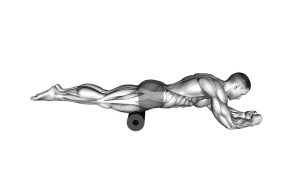
- Foam Roller — helpful for preparing the hamstrings, calves, and glutes before stretching.
- Massage Ball Set — useful for gentle soft-tissue release around the glutes and posterior chain.
- Mobility Band — can support additional hip mobility and lower-body warm-up drills.
Tip: Equipment is optional. The main requirement is smooth control, relaxed breathing, and a stretch intensity you can manage without pain.