Seated Hamstring Stretch with Chair: Form, Benefits, Tips & FAQ
Learn the Seated Hamstring Stretch with Chair to improve hamstring flexibility, posture, and posterior-chain mobility with safe form tips.
Seated Hamstring Stretch with Chair
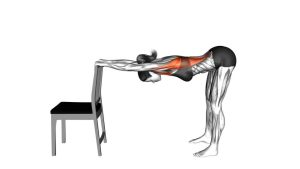
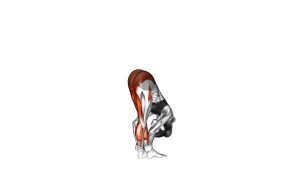
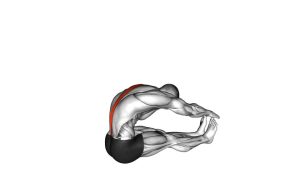
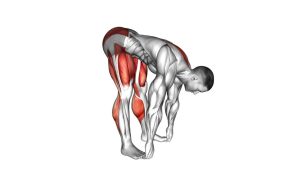
This exercise is useful for people with tight hamstrings, limited hip mobility, or stiffness from sitting for long periods. The chair provides support, making the stretch easier to control than a standing variation. In the video, the movement uses a forward reach pattern, meaning the stretch comes from a combination of hip flexion, a mild forward torso fold, and ankle positioning.
Quick Overview
| Body Part | Hamstrings |
|---|---|
| Primary Muscle | Hamstrings: biceps femoris, semitendinosus, semimembranosus |
| Secondary Muscle | Calves, glutes, lower back, posterior-chain connective tissues |
| Equipment | Chair |
| Difficulty | Beginner |
Sets & Reps (By Goal)
- Daily flexibility: 2–3 sets × 20–40 seconds per side
- Warm-up mobility: 1–2 sets × 8–12 slow dynamic reaches per side
- Post-workout recovery: 2–4 sets × 30–60 seconds per side
- Desk-break reset: 1–2 sets × 15–30 seconds per side
Progression rule: First increase control and breathing quality. Then increase hold time or reach depth only if the stretch remains comfortable.
Setup / Starting Position
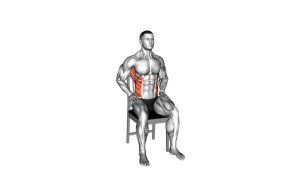
- Sit near the front of the chair: Keep your hips supported but avoid leaning fully into the backrest.
- Extend one leg forward: Place the heel on the floor with the knee straight or softly bent.
- Keep the opposite foot grounded: The bent leg helps stabilize your body.
- Lift the chest: Start tall before reaching forward.
- Point the toes upward: A slightly flexed foot can increase the stretch through the calf and hamstring.
If the stretch feels too intense, bend the extended knee slightly or reduce how far you reach forward.
Execution (Step-by-Step)
- Begin tall: Sit upright with your shoulders relaxed and your extended heel planted on the floor.
- Reach forward slowly: Move your hands toward the shin, ankle, or foot while keeping the movement controlled.
- Hinge from the hips first: Think about bringing the chest forward before rounding the back.
- Find a gentle stretch: Stop when you feel tension through the back of the thigh.
- Hold or pulse carefully: Hold the position, or use slow dynamic reaches without bouncing.
- Return with control: Lift the torso back to the starting position and repeat on the other side.
Pro Tips & Common Mistakes
- Reach from the hips first: Avoid collapsing your chest immediately toward the thigh.
- Do not bounce: Fast bouncing can irritate the hamstrings or the back of the knee.
- Use a soft knee if needed: A slightly bent knee can make the stretch safer and easier to control.
- Keep breathing: Slow exhales help reduce unnecessary tension.
- Avoid pulling hard on the foot: Use the hands as a guide, not as a forceful lever.
- Control the neck: Let the head follow naturally, but avoid aggressively dropping it forward.
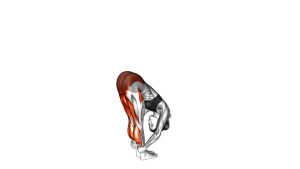
- Choose your version: Use a neutral-spine hinge for more hamstring focus, or a relaxed fold for a broader posterior-chain stretch.
FAQ
What muscles does the Seated Hamstring Stretch with Chair target?
It primarily stretches the hamstrings. Depending on foot position and torso angle, it may also stretch the calves, glutes, and lower back.
Should my back stay completely straight?
For a stricter hamstring stretch, keep the spine longer and hinge from the hips. For a more relaxed posterior-chain stretch, mild spinal rounding may happen, but it should never feel painful or forced.
Is this stretch good for beginners?
Yes. The chair provides support, and the range of motion is easy to adjust. Beginners should start with a small reach and a soft knee.
How long should I hold the stretch?
Hold for 20–40 seconds per side for general flexibility. For recovery sessions, you can hold up to 60 seconds if the stretch feels comfortable.
Why do I feel this behind my knee?
Some tension behind the knee can happen when the hamstring and calf are stretched together. If the feeling is sharp, nerve-like, or uncomfortable, bend the knee slightly and reduce the reach.
Recommended Equipment
- Sturdy Exercise Chair — provides stable support for seated stretching and mobility drills
- Yoga Stretching Strap — helps reach the foot without forcing the lower back
- Non-Slip Exercise Mat — improves comfort and floor grip around the chair
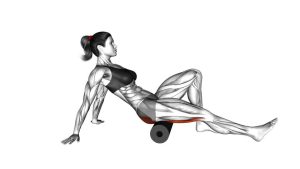
- Foam Roller — useful for light hamstring, calf, and posterior-chain recovery work
- Massage Ball — helps release tight areas around the calves, glutes, and lower legs
Tip: Choose tools that help you relax into the stretch. Do not use equipment to force a deeper range of motion.