Cat-Cow Stretch: Proper Form, Benefits, Tips & FAQ
Learn the Cat-Cow Stretch for spinal mobility, core control, and back flexibility. Step-by-step form, sets, tips, mistakes, FAQs, and gear.
Cat-Cow Stretch
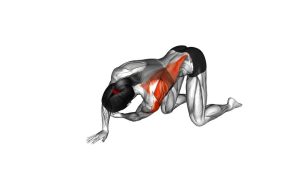
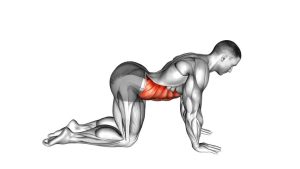
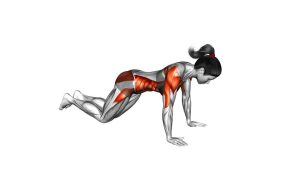
This exercise works best when every repetition is slow and intentional. In the Cat phase, the upper back rounds upward while the chin moves toward the chest. Then, in the Cow phase, the chest opens forward as the spine arches downward. Because the goal is mobility rather than intensity, avoid forcing the range or collapsing into the lower back.
Quick Overview
| Body Part | Back |
|---|---|
| Primary Muscle | Spinal erectors and spinal stabilizers |
| Secondary Muscle | Abdominals, deep core stabilizers, upper back, lower back |
| Equipment | No equipment required; optional exercise mat for comfort |
| Difficulty | Beginner |
Sets & Reps (By Goal)
- General mobility: 2–3 sets × 8–12 slow reps
- Warm-up before training: 1–2 sets × 8–10 reps
- Posture and spine awareness: 2–4 sets × 6–10 controlled reps
- Desk-break reset: 1–2 sets × 5–8 gentle reps
Progression rule: First improve control and breathing. After that, add more reps slowly instead of forcing a bigger spinal arch or deeper rounding.
Setup / Starting Position
- Start on all fours: Place your hands under your shoulders and your knees under your hips.
- Spread your fingers: Press evenly through the palms so your arms stay stable.
- Stack your joints: Keep wrists, elbows, and shoulders aligned while the hips stay above the knees.
- Set a neutral spine: Begin with the back flat, neck long, and eyes looking slightly down.
- Breathe before moving: Relax your shoulders and prepare to move the spine one segment at a time.
Tip: Use a soft mat if your knees or wrists feel uncomfortable on the floor.
Execution (Step-by-Step)
- Move into Cat: Round your spine upward toward the ceiling while gently tucking your chin toward your chest.
- Engage the core: Draw the ribs and pelvis slightly toward each other without holding your breath.
- Pause briefly: Feel the upper back spread and the abdominal wall support the rounded position.
- Move into Cow: Slowly drop the chest forward, arch the spine downward, and allow the head to lift naturally.
- Open the front body: Keep the shoulders away from the ears while the pelvis tips slightly forward.
- Repeat smoothly: Continue alternating Cat and Cow with steady breathing and no bouncing.
Pro Tips & Common Mistakes
- Move slowly: Rushing reduces control and turns the drill into a loose rocking motion.
- Do not lock the elbows: Keep the arms stable, but avoid forcing the joints into a hard lockout.
- Avoid neck overextension: In Cow, lift the head gently instead of throwing it backward.
- Do not collapse the lower back: Let the chest open, but keep the core lightly active.
- Use your breath: Exhale into Cat and inhale into Cow for a smoother rhythm.
- Keep the base steady: Hands and knees should stay planted while the spine moves.
FAQ
What is the Cat-Cow Stretch good for?
The Cat-Cow Stretch is useful for improving spinal mobility, warming up the back, and practicing controlled movement through flexion and extension.
Should Cat-Cow be done fast or slow?
It should be done slowly. A controlled tempo helps you feel each spinal position and prevents bouncing into the lower back or neck.
Where should I feel the Cat-Cow Stretch?
You may feel gentle movement through the upper back, lower back, and abdominal area. However, it should not feel sharp, pinching, or painful.
Can beginners do Cat-Cow?
Yes. Cat-Cow is beginner-friendly because it uses bodyweight only and allows a small, comfortable range of motion.
Is Cat-Cow a back exercise or core exercise?
It is mainly a back mobility exercise, but the core also works to control the rounded Cat phase and stabilize the body during the transition.
Recommended Equipment (Optional)
- Exercise Mat — provides cushioning for the knees, wrists, and hands during floor mobility work
- Yoga Knee Pad — helpful if kneeling causes pressure or discomfort
- Yoga Blocks — useful for modifying floor positions and supporting mobility routines
- Wrist Support Wraps — optional support for users who feel wrist pressure in quadruped positions
- Foam Roller — pairs well with back mobility and thoracic warm-up routines
Tip: Equipment is optional. However, a comfortable mat can make the Cat-Cow Stretch easier to perform with relaxed hands, knees, and shoulders.