Dumbbell One-Arm Shoulder Press: Proper Form, Sets, Tips & FAQ
Learn the Dumbbell One-Arm Shoulder Press with proper form, setup, execution steps, sets by goal, common mistakes, FAQs, and recommended equipment for stronger, more stable shoulders.
Dumbbell One-Arm Shoulder Press
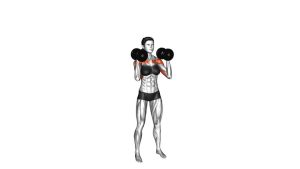
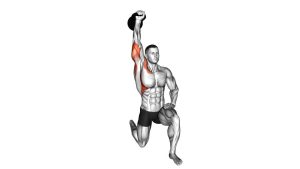
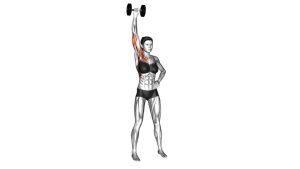
This exercise primarily targets the anterior deltoid while also involving the lateral deltoid, triceps, and trunk stabilizers. Because only one arm works at a time, the movement also trains anti-rotation control through the core. A clean rep should look controlled from start to finish, with no leg drive, no side bending, and no rushed lowering phase.
Quick Overview
| Body Part | Front Shoulders |
|---|---|
| Primary Muscle | Anterior deltoid |
| Secondary Muscle | Lateral deltoid, triceps, upper chest (light), core stabilizers |
| Equipment | 1 dumbbell |
| Difficulty | Beginner to Intermediate |
Sets & Reps (By Goal)
- Muscle building: 3–4 sets × 8–12 reps per arm, 60–90 sec rest
- Strength focus: 4–5 sets × 4–6 reps per arm, 90–150 sec rest
- Shoulder stability and control: 2–4 sets × 8–10 reps per arm with slower tempo, 45–75 sec rest
- General fitness: 2–3 sets × 10–15 reps per arm, 45–75 sec rest
Progression rule: Add reps before adding load when possible. Only increase weight when you can keep the torso upright, avoid leaning, and finish every rep with the same smooth overhead path.
Setup / Starting Position
- Stand tall: Place your feet about hip-width to shoulder-width apart for a stable base.
- Hold one dumbbell at shoulder level: The elbow should be bent and positioned slightly in front of the body, not flared straight out to the side.
- Stack the wrist over the elbow: Keep the forearm vertical and the grip firm without bending the wrist backward.
- Brace your core: Tighten your abs and glutes lightly to prevent leaning or overextending the lower back.
- Set the free arm: Let the non-working arm rest naturally by your side or on your hip for balance.
- Start in a neutral head position: Keep your chin level and shoulders down, avoiding shrugging before the press begins.
Tip: A staggered stance can help some lifters feel more stable, but the movement should still stay strict and controlled.
Execution (Step-by-Step)
- Brace before you move: Inhale lightly, lock in your ribcage, and keep the torso steady.
- Press the dumbbell upward: Drive the weight overhead in a controlled line until the arm is nearly straight.
- Finish overhead: At the top, the dumbbell should be stacked over the shoulder with the wrist, elbow, and shoulder aligned.
- Avoid shrugging or leaning: Keep the neck relaxed and resist the urge to bend sideways as the load moves overhead.
- Lower under control: Bring the dumbbell back down slowly to shoulder level, keeping tension through the shoulder and core.
- Repeat evenly: Perform all reps on one side, then switch arms, or alternate sides if that better fits your program.
Pro Tips & Common Mistakes
- Press slightly inward, not straight out: A natural pressing path is usually more shoulder-friendly than forcing the elbow too wide.
- Keep the ribs down: A big lower-back arch turns the lift into a compensation pattern instead of a clean shoulder press.
- Control the eccentric: Don’t let the dumbbell drop back to the shoulder. Slow lowering improves stability and muscle tension.
- Don’t use leg drive: This is a strict press, not a push press. Keep your knees quiet and avoid bouncing the weight upward.
- Maintain wrist position: Don’t let the wrist fold backward under the dumbbell.
- Train both sides honestly: Start with the weaker side first and match the reps on the stronger side.
- Avoid excessive shrugging: The shoulder should stay active and stable, but the trap should not dominate the movement.
FAQ
What muscles does the dumbbell one-arm shoulder press work?
It mainly targets the anterior deltoid. The lateral deltoid and triceps help with the press, while the core works to keep the torso stable.
Is the one-arm shoulder press better than pressing with two dumbbells?
Not always better, but different. The unilateral version is excellent for improving side-to-side balance, core stability, and shoulder control, while two-dumbbell pressing may allow heavier total loading.
Should I do this exercise standing or seated?
Standing increases core demand and anti-rotation stability. Seated versions reduce balance demands and can make it easier to focus more directly on shoulder output.
Why do I feel my lower back during this movement?
That usually happens when the ribs flare and the lower back arches to help finish the rep. Use a lighter weight, brace harder through the core, and keep the press stacked over the shoulder.
Can beginners use the dumbbell one-arm shoulder press?
Yes. Beginners can use it effectively with a light load and strict form. Start conservatively and prioritize stability, range control, and a smooth tempo before chasing heavier weights.
Recommended Equipment
- Adjustable Dumbbells — ideal for progressive overload and home shoulder training
- Wrist Wraps for Weightlifting — useful if heavier presses make your wrists feel unstable
- Shoulder Resistance Bands — helpful for warm-ups, activation drills, and shoulder prep before pressing
- Thick Exercise Mat — adds comfort and traction for home workouts and standing dumbbell work
- Dumbbell Rack — keeps your training space organized and makes weight changes easier
Tip: Choose a load that lets you press through a full, controlled range without leaning or grinding out the final reps.