Side Wall Plank: Proper Form, Core Benefits, Sets, Tips & FAQ
Learn the Side Wall Plank to strengthen obliques, improve core stability, and build shoulder control with safe form, sets, tips, FAQs, and gear.
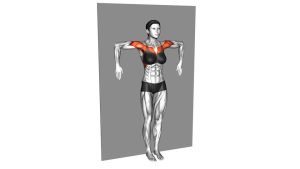
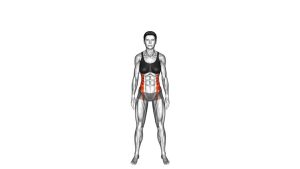
Side Wall Plank
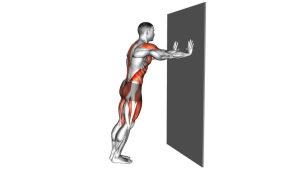
This exercise is best used when you want to build lateral core strength without jumping straight into a full floor side plank. The goal is not to bend, twist, or push aggressively. The goal is to keep your body long, firm, and aligned while resisting the urge to collapse sideways toward the wall.
Quick Overview
| Body Part | Core |
|---|---|
| Primary Muscle | Obliques |
| Secondary Muscle | Transverse abdominis, rectus abdominis, glute medius, serratus anterior, deltoids |
| Equipment | Wall only; optional exercise mat for warm-up drills |
| Difficulty | Beginner |
Sets & Reps (By Goal)
- Beginner core control: 2–3 sets × 15–25 seconds per side
- Core endurance: 3–4 sets × 25–45 seconds per side
- Warm-up activation: 1–2 sets × 10–20 seconds per side
- Posture and stability work: 2–3 sets × 20–30 seconds per side with slow breathing
Progression rule: Increase hold time first. Then move your feet slightly farther from the wall to create more body angle and greater core demand.
Setup / Starting Position
- Stand sideways beside a wall: Position the side of your body close to the wall.
- Place your wall-side hand on the wall: Keep the hand around shoulder height with the arm firm and stable.
- Set your feet: Keep your feet together or slightly staggered for better balance.
- Create a straight line: Align your head, ribs, hips, knees, and ankles.
- Brace gently: Tighten your core as if preparing for a light push, without holding your breath.
Tip: The farther your feet are from the wall, the harder the exercise becomes. Start close, then progress gradually.
Execution (Step-by-Step)
- Press into the wall: Apply steady pressure through the hand or forearm without shrugging your shoulder.
- Lean sideways: Let your body angle slightly away from the wall while keeping a long straight line.
- Lift the hips: Keep the hips from sagging toward the wall or dropping backward.
- Brace the obliques: Hold your trunk firm and resist side bending.
- Breathe slowly: Take calm breaths while maintaining tension through the core.
- Return with control: Step or shift back upright slowly before switching sides.
Pro Tips & Common Mistakes
- Keep the body straight: Do not let the hips drift forward, backward, or downward.
- Avoid shoulder shrugging: Keep the shoulder away from the ear and press through a stable arm.
- Do not twist the torso: Keep your chest facing forward, not rotating into or away from the wall.
- Use controlled pressure: Press firmly enough to stay stable, but do not shove aggressively into the wall.
- Keep the ribs down: Avoid arching the lower back or flaring the ribs during the hold.
- Train both sides evenly: Match your hold time on the left and right side for balanced core development.
FAQ
What muscles does the Side Wall Plank work?
The Side Wall Plank mainly works the obliques. It also trains the transverse abdominis, glute medius, shoulder stabilizers, and deep core muscles that help resist side bending.
Is the Side Wall Plank good for beginners?
Yes. It is easier than a floor side plank because the wall reduces the load on the body. This makes it a useful starting option for beginners, older adults, or anyone rebuilding core stability.
Should I use my hand or forearm on the wall?
Both can work. A hand position is simple and easy to set up. A forearm position may feel more comfortable for people who do not like loading the wrist.
How can I make the Side Wall Plank harder?
Move your feet farther from the wall, increase the hold time, slow your breathing, or add a controlled top-arm reach. Only progress when you can keep your hips and ribs aligned.
Why do I feel this more in my shoulder than my core?
You may be leaning too far, shrugging, or pressing unevenly. Step closer to the wall, relax your neck, and focus on lifting through the side of your waist.
Recommended Equipment (Optional)
- Exercise Mat — useful for warm-up core drills and floor progressions
- Resistance Bands Set — helpful for pairing with anti-rotation and shoulder stability work
- Foam Roller — useful for thoracic mobility and posture preparation
- Yoga Blocks — helpful for modified side plank progressions and support drills
- Core Sliders — useful for advanced core stability progressions after mastering wall holds
Choose equipment that supports clean technique. The Side Wall Plank itself requires only a stable wall, but optional tools can help with warm-ups, progressions, and full core training.