Lever Seated Reverse Fly: Proper Form, Sets, Tips & FAQ
Learn how to do the Lever Seated Reverse Fly with proper form to build rear delts and upper-back stability. Includes setup, step-by-step execution, sets and reps by goal, common mistakes, FAQ, and recommended equipment.
Lever Seated Reverse Fly
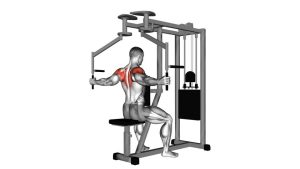
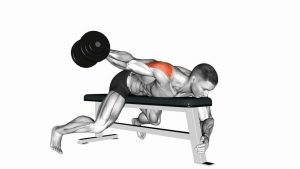
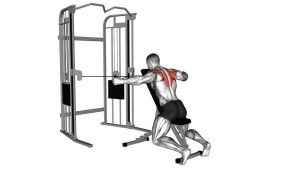
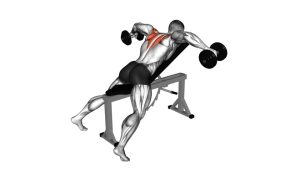
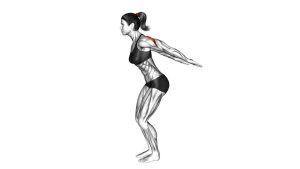
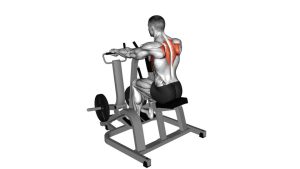
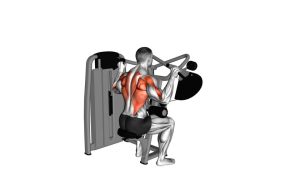
This exercise works best when you focus on rear delt tension instead of moving as much weight as possible. In the video, the motion is clean and deliberate: the torso stays fixed, the elbows remain slightly bent, and the handles are pulled back until the arms open to the sides. That controlled pattern keeps the load where it belongs—on the back of the shoulders and upper back—rather than shifting stress into the traps or lower back.
Quick Overview
| Body Part | Rear Shoulders |
|---|---|
| Primary Muscle | Rear Deltoids |
| Secondary Muscle | Rhomboids, Middle Trapezius, Rotator Cuff Stabilizers |
| Equipment | Rear Delt Machine / Reverse Pec Deck Machine |
| Difficulty | Beginner to Intermediate |
Sets & Reps (By Goal)
- Muscle growth: 3–4 sets × 10–15 reps with 45–75 seconds of rest
- Shoulder control and technique: 2–3 sets × 12–15 reps with slow, strict form
- Upper-body accessory work: 2–4 sets × 8–12 reps after pressing or rowing movements
- Higher-rep finisher: 2–3 sets × 15–20 reps with light to moderate weight
Progression rule: Add reps before adding load. When all working sets feel smooth and the chest stays firmly against the pad, increase the weight slightly while keeping the same controlled tempo.
Setup / Starting Position
- Adjust the seat: Set the seat so the handles align roughly with shoulder height.
- Sit tall: Place your chest firmly against the pad and keep your spine neutral.
- Plant your feet: Keep both feet flat on the floor for stability.
- Grip the handles: Use the machine handles with a neutral grip, keeping your wrists straight.
- Set a soft elbow bend: Your elbows should not be locked; maintain a slight bend throughout the set.
- Start under control: Let the shoulders sit naturally without shrugging up toward your ears.
Tip: Before your first rep, pull your shoulders down slightly and brace your torso lightly against the pad to prevent swinging.
Execution (Step-by-Step)
- Begin from the front: Start with your arms extended forward and the weight under control.
- Drive outward and back: Pull the handles out to the sides in a wide arc using your rear delts.
- Keep the chest fixed: Do not lift your chest off the pad or rock your torso backward.
- Lead with the elbows: Let the elbows travel in line with the shoulders while staying slightly bent.
- Squeeze at peak contraction: When your arms open near shoulder level, pause briefly and contract the rear delts and upper back.
- Return slowly: Bring the handles back to the starting position under control without letting the weight slam down.
- Repeat smoothly: Maintain the same path and tempo for every rep.
Pro Tips & Common Mistakes
- Use a moderate load: Rear delts respond better to strict reps than to sloppy heavy sets.
- Keep the elbows soft: A slight bend protects the joints and helps keep tension in the shoulders.
- Do not shrug: Keep the upper traps from taking over by maintaining space between your shoulders and ears.
- Avoid torso movement: Stay glued to the chest pad from start to finish.
- Control the negative: Lowering the weight slowly improves muscle stimulus and consistency.
- Do not overreach at the start: Stretch only as far as you can keep the shoulders stable.
- Think “open the arms,” not “pull with the hands”: That cue often improves rear delt engagement.
FAQ
What muscles does the Lever Seated Reverse Fly work the most?
The exercise mainly targets the rear deltoids. It also trains the rhomboids, middle traps, and smaller shoulder stabilizers that support healthy shoulder mechanics.
Is this the same as a reverse pec deck?
Yes. In most gyms, the Lever Seated Reverse Fly is performed on the same type of machine often called a reverse pec deck or rear delt machine.
How heavy should I go on this exercise?
Use a weight that lets you keep your chest against the pad and complete every rep without jerking. For most people, strict control matters more than heavy loading on this movement.
Should I feel this more in my rear delts or upper back?
You should usually feel both, but the rear delts should be the main driver. If you only feel your traps or neck, reduce the weight and focus on keeping the shoulders down and the elbows moving cleanly out to the sides.
Where should I place this in my workout?
It works well after major pressing movements, after rows, or near the end of a shoulder workout as a focused isolation exercise. It can also be used on upper-body days to balance out front-dominant training.
Recommended Equipment
- Shoulder Resistance Bands — useful for warm-ups, rear delt activation, and extra shoulder volume outside the machine
- Lifting Straps — helpful when grip fatigue affects the rest of your back and shoulder training
- Massage Ball Set — useful for post-workout soft tissue work around the rear delts, upper back, and shoulders
- Posture Corrector — can serve as a light reminder tool for shoulder positioning, though it should not replace strength training
- Adjustable Weight Bench — useful for pairing this movement with dumbbell rear delt raises and chest-supported upper-back work
These product categories are commonly available on Amazon, including shoulder resistance bands, lifting straps, and massage ball sets.