Barbell Rear Delt Raise: Proper Form, Sets, Muscles Worked & Tips
Learn how to perform the Barbell Rear Delt Raise with proper form. Discover muscles worked, setup, step-by-step execution, sets and reps by goal, common mistakes, FAQs, and recommended equipment.
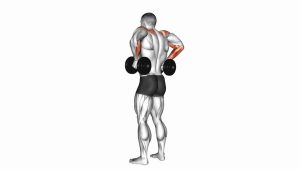
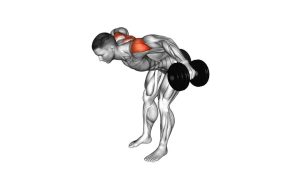
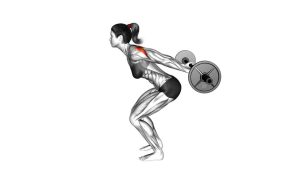
Barbell Rear Delt Raise
This exercise works best with strict form, a moderate range of motion, and a weight you can control without swinging. You should feel tension primarily in the rear delts and upper back. If the exercise turns into a shrug, row, or body swing, the load is likely too heavy.
Quick Overview
| Body Part | Shoulders |
|---|---|
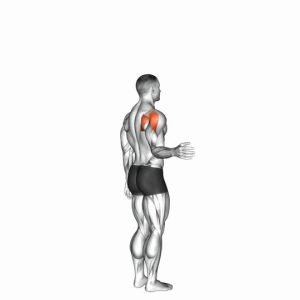
| Primary Muscle | Rear deltoids (posterior delts) |
| Secondary Muscle | Middle trapezius, rhomboids, lateral delts, upper back stabilizers |
| Equipment | Barbell |
| Difficulty | Intermediate |
Sets & Reps (By Goal)
- Muscle growth: 3–4 sets × 10–15 reps with 45–75 seconds rest
- Shoulder accessory strength: 3–5 sets × 6–10 reps with 60–90 seconds rest
- Technique and control: 2–3 sets × 12–15 reps with slow tempo and lighter weight
- Finisher / pump work: 2–3 sets × 15–20 reps with strict form and short rest
Progression rule: Increase reps before increasing load. Rear delt work usually responds best to controlled execution, smooth tempo, and moderate weights rather than heavy swinging.
Setup / Starting Position
- Stand tall: Place your feet about hip-width apart and keep a soft bend in the knees.
- Grip the barbell: Hold the bar with both hands using an overhand grip around shoulder width.
- Start low: Let the bar rest in front of your thighs with your arms extended and elbows slightly bent.
- Brace lightly: Keep your core engaged, chest steady, and shoulders down away from the ears.
- Set the shoulder position: Think about keeping tension in the rear shoulders before you start the lift.
Tip: A lighter barbell or technique bar often works better than a standard heavy bar if your goal is clean rear delt isolation.
Execution (Step-by-Step)
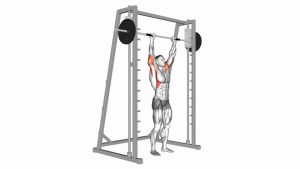
- Begin the raise: Lift the bar upward in a controlled arc by driving through the rear delts.
- Keep elbows soft: Maintain a small elbow bend throughout the movement instead of locking the arms stiff.
- Raise with control: Bring the bar up until you reach your comfortable top range, usually around lower chest to upper-abdomen level depending on structure and control.
- Pause briefly: Squeeze the rear delts at the top without shrugging the shoulders upward.
- Lower slowly: Return the bar to the starting position under control and reset before the next rep.
Pro Tips & Common Mistakes
- Use lighter weight than you think: Rear delts are smaller muscles and respond best to strict reps.
- Do not swing: Momentum reduces tension on the rear delts and shifts stress elsewhere.
- Avoid shrugging: Keep the upper traps from dominating the movement.
- Keep the elbows slightly bent: This protects the joints and helps maintain smoother mechanics.
- Stay tall and braced: Do not lean backward to cheat the bar upward.
- Think “rear shoulders lift the bar”: This cue often improves mind-muscle connection.
- Use moderate range, not forced range: Raise only as high as you can while keeping tension where it belongs.
FAQ
What muscles does the Barbell Rear Delt Raise work?
It primarily targets the rear deltoids. Secondary muscles include the mid traps, rhomboids, and other upper-back stabilizers.
Is this better than dumbbell rear delt raises?
Not necessarily better, just different. A barbell keeps both arms moving together and can help with symmetry, while dumbbells usually allow a freer range of motion and can feel more natural for some lifters.
How heavy should I go on this exercise?
Use a load that lets you keep the movement strict. For most people, this exercise works best with light to moderate weight and higher-quality reps.
Should I feel this in my traps?
Some trap involvement is normal, but the main tension should be in the rear shoulders. If your traps dominate, reduce the load and focus on smoother reps without shrugging.
Where should I place this in my workout?
It fits well during your shoulder workout, on an upper-body day, or as an accessory movement after heavier presses and rows.
Recommended Equipment
- Lightweight Olympic Technique Barbell — ideal for learning the movement pattern with better control and cleaner rear delt isolation
- 2-Inch Barbell Collars — helps secure plates and keeps the bar balanced during controlled raises
- Fractional / Change Plates — useful for very small weight jumps when progressing shoulder isolation work
- Olympic Weight Plates — practical for building a versatile home setup around barbell accessory work
- Adjustable Weight Bench — useful for pairing this exercise with other shoulder and upper-back movements in the same session
Tip: For this exercise, a lighter bar and small plate jumps usually make progression safer and more effective than jumping too quickly to heavier loads.