Lever Lateral Raise: Proper Form, Sets, Muscles Worked & FAQ
Learn how to perform the Lever Lateral Raise with proper form to build rounder shoulders and isolate the lateral delts. Includes setup, execution tips, sets and reps by goal, common mistakes, FAQ, and recommended equipment.
Lever Lateral Raise
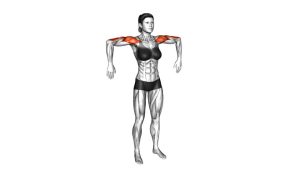
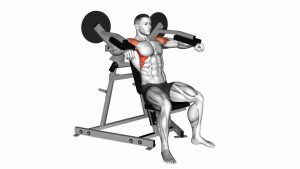
This exercise works best with moderate loads, clean technique, and a controlled tempo. The goal is to isolate the side delts without turning the rep into a shrug or swing. You should feel the outer shoulders doing most of the work while your torso stays stable against the pad.
Quick Overview
| Body Part | Side Shoulders |
|---|---|
| Primary Muscle | Lateral deltoid (middle delts) |
| Secondary Muscle | Anterior deltoid, supraspinatus, upper traps (minimal if form is clean), rotator cuff stabilizers |
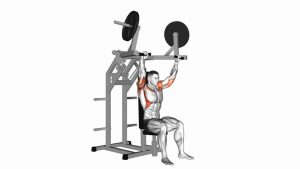
| Equipment | Lever lateral raise machine / plate-loaded or selectorized shoulder machine |
| Difficulty | Beginner to Intermediate |
Sets & Reps (By Goal)
- Muscle growth: 3–5 sets × 10–15 reps with 45–75 sec rest
- Shoulder isolation finisher: 2–4 sets × 12–20 reps with short rest and strict form
- Strength-endurance / control: 2–4 sets × 15–20 reps with smooth tempo and light-to-moderate load
- Beginner shoulder training: 2–3 sets × 10–12 reps focusing on full control and posture
Progression rule: Add reps before load whenever possible. Only increase resistance when you can reach shoulder height without shrugging, swinging, or losing tension in the side delts.
Setup / Starting Position
- Adjust the machine: Set the seat so the handles or arm pads line up comfortably with your arms at your sides.
- Sit tall: Place your back against the pad, keep your chest up, and plant both feet flat on the floor.
- Grip or position your arms: Hold the handles or place your arms against the lever pads, depending on the machine design.
- Set a soft elbow bend: Keep a slight bend in the elbows and maintain neutral wrists.
- Brace lightly: Tighten your core just enough to prevent leaning, but avoid excessive tension in the neck and traps.
Tip: Before starting your work sets, do 1–2 lighter warm-up sets to groove the motion and feel the side delts taking over.
Execution (Step-by-Step)
- Start from the bottom: Begin with the arms near your sides and shoulders relaxed.
- Raise outward: Drive the arms out to the sides in a wide arc, leading with the elbows rather than the hands.
- Lift to shoulder height: Bring the arms up until they are roughly parallel to the floor, or slightly below if that feels better on your joints.
- Pause briefly: Squeeze the lateral delts for a moment at the top without shrugging.
- Lower under control: Return along the same path slowly, resisting the weight instead of letting it drop.
- Repeat smoothly: Keep every rep controlled and consistent, with no bouncing at the bottom.
Pro Tips & Common Mistakes
- Lead with the elbows: This helps keep the movement focused on shoulder abduction instead of hand travel.
- Keep the shoulders down: Avoid shrugging, which shifts work toward the upper traps.
- Use a controlled tempo: A 1–2 second lift and 2–3 second lowering phase often works well.
- Do not go too heavy: Excess load usually turns the exercise into a partial range swing.
- Stop around shoulder height: Going much higher often reduces isolation and increases trap involvement.
- Stay glued to the pad: Leaning back to cheat reduces tension on the side delts.
- Keep elbows softly bent: Locked elbows can make the movement feel harsher on the joints.
- Use higher reps well: This exercise often shines in moderate-to-high rep ranges with strict technique.
FAQ
What muscles does the lever lateral raise work most?
The main target is the lateral deltoid, which helps create shoulder width. Secondary assistance comes from small stabilizers around the shoulder, while the upper traps should stay relatively quiet if your form is strict.
Is the lever lateral raise better than dumbbell lateral raises?
Not always better, but often easier to control. The machine provides a guided path, which can make it easier to keep constant tension on the side delts and reduce momentum.
Should I raise my arms above shoulder height?
Usually no. Stopping around shoulder height is a good default for keeping the emphasis on the lateral delts and limiting unnecessary trap dominance.
Why do I feel this more in my traps than my shoulders?
That usually happens when the load is too heavy, the shoulders shrug upward, or you try to lift too high. Lower the resistance and focus on driving the elbows out while keeping the neck relaxed.
Where should I place this exercise in my workout?
It works well after pressing movements as a shoulder isolation exercise, or near the end of an upper-body or delt-focused session as a hypertrophy finisher.
Recommended Equipment
- Cable Machine Wrist Cuffs — useful for lateral-raise-style accessory work when you want less grip involvement
- Resistance Bands with Handles — a practical option for shoulder warm-ups, burnout sets, and home lateral raise variations
- Micro Weight Plates — helpful for small shoulder-friendly progressions when full jumps feel too aggressive
- Workout Gloves — can improve handle comfort and grip during machine shoulder work
- Lateral Raise Machine / Rack Attachment — useful for home gym setups focused on shoulder isolation training
Tip: For this exercise, strict execution matters more than heavy loading. Accessories are most useful when they improve comfort, setup, and progression without encouraging sloppy reps.