Bottle-Weighted Lateral Raise: Form, Muscles Worked, Sets, Tips & FAQ
Learn how to do the Bottle-Weighted Lateral Raise with proper form to build side delts at home. Includes muscles worked, setup, execution steps, sets by goal, common mistakes, FAQs, and recommended Amazon equipment.
Bottle-Weighted Lateral Raise
This variation is especially useful for beginners, home exercisers, and anyone who wants a practical way to train the shoulders using everyday items. Because the load is usually lighter than dumbbells, the movement works best with strict form, controlled tempo, and higher-quality reps rather than momentum.
Quick Overview
| Body Part | Shoulders |
|---|---|
| Primary Muscle | Lateral deltoids |
| Secondary Muscle | Anterior deltoids, supraspinatus, upper traps (stabilizing) |
| Equipment | Two water bottles or other light handheld household weights |
| Difficulty | Beginner |
Sets & Reps (By Goal)
- General toning / shoulder endurance: 2-4 sets × 12-20 reps
- Muscle building with light load: 3-5 sets × 10-18 reps with slow lowering
- Beginner home workout: 2-3 sets × 8-12 reps
- Warm-up / activation: 1-2 sets × 12-15 reps with very light bottles
Progression rule: Increase reps first, then slow the eccentric, then use slightly heavier bottles. Do not increase load if you need to swing your torso or shrug the shoulders to finish reps.
Setup / Starting Position
- Stand tall: Place your feet about hip-width to shoulder-width apart for balance.
- Hold one bottle in each hand: Let the arms hang naturally by your sides with a neutral grip.
- Keep a soft elbow bend: Avoid locking the arms completely straight.
- Brace your core: Keep the ribs down, chest tall, and torso steady.
- Relax the neck and traps: Your shoulders should stay down and away from the ears.
Tip: Start with partially filled bottles if full bottles make the motion jerky or hard to control.
Execution (Step-by-Step)
- Begin from the sides: Start with the bottles next to your thighs and your posture stacked.
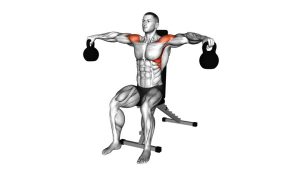
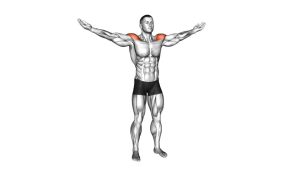
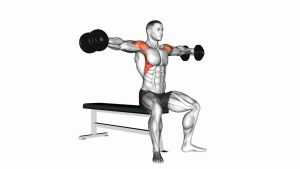
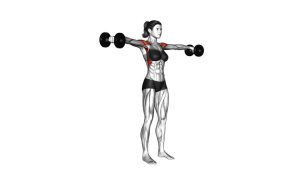
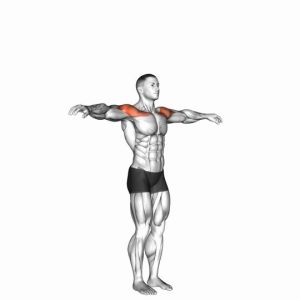
- Lift outward: Raise both arms out to the sides in a wide arc.
- Lead with the elbows: Think about lifting the upper arms rather than flicking the hands upward.
- Stop around shoulder height: Raise until your arms are roughly parallel to the floor.
- Pause briefly: Hold the top for a moment without shrugging.
- Lower slowly: Bring the bottles back down under control to the start position.
- Repeat evenly: Keep the tempo smooth and consistent on every rep.
Pro Tips & Common Mistakes
- Use light resistance: Lateral raises respond well to controlled reps, not heavy cheating.
- Keep the elbows slightly bent: This helps reduce joint stress and improves control.
- Do not swing: Momentum shifts tension away from the shoulders.
- Avoid shrugging: Let the side delts work instead of letting the traps take over.
- Don’t raise excessively high: Shoulder-height is a strong benchmark for clean reps.
- Control the lowering phase: The eccentric matters for shoulder stimulus and technique.
- Keep wrists neutral: Don’t bend the wrists backward while holding the bottles.
- Train pain-free: If the top range causes shoulder pinching, shorten the range slightly.
FAQ
What muscles does the Bottle-Weighted Lateral Raise work?
It mainly targets the lateral deltoids, which help build wider-looking shoulders. The front delts, supraspinatus, and upper traps may assist depending on your technique.
Are water bottles good enough for lateral raises?
Yes. Water bottles work well for beginners, high-rep training, shoulder activation, and home workouts. They are especially useful when your goal is control, endurance, and learning proper movement.
How high should I raise the bottles?
In most cases, raise them to about shoulder height. Going much higher often encourages shrugging or compensation unless it is very well controlled and comfortable.
Why do I feel this more in my traps than my shoulders?
That usually happens when the load is too heavy, the shoulders shrug upward, or the rep is rushed. Use lighter bottles, relax the neck, and focus on lifting with the side delts.
Is this exercise good for beginners?
Yes. It is one of the most beginner-friendly shoulder isolation movements because it is easy to learn, easy to scale, and can be done almost anywhere with simple household items.
Recommended Equipment
- Adjustable Dumbbells — a natural upgrade when bottles become too light for progressive overload
- Water-Filled Dumbbells — portable and beginner-friendly for home workouts with lighter resistance
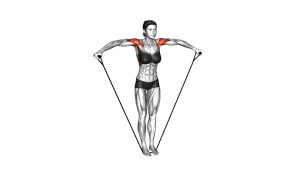
- Shoulder Resistance Bands — useful for shoulder warm-ups, lateral raise alternatives, and travel workouts
- Resistance Bands with Handles — adds versatility for rows, presses, raises, and other upper-body work at home
- Neoprene Dumbbell Set — ideal for smooth, repeatable shoulder isolation work with predictable weight jumps
Tip: Choose equipment that lets you keep your reps clean. For lateral raises, controlled movement matters more than using heavy resistance.