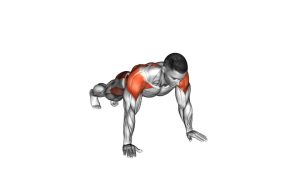
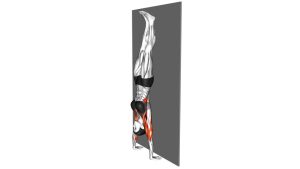
Pike Push-Up from Deficit: Form, Muscles Worked, Sets, Tips & FAQ
Learn how to do the Pike Push-Up from Deficit with proper form. Discover muscles worked, setup, step-by-step execution, sets by goal, common mistakes, FAQs, and recommended equipment.
Pike Push-Up from Deficit
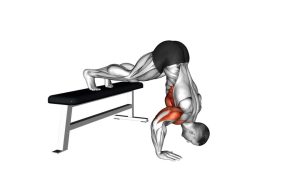
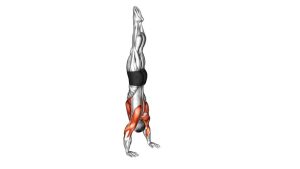
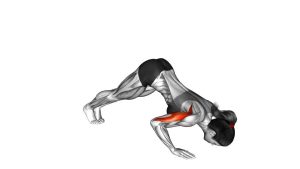
This exercise is most effective when you treat it like a vertical press, not a regular push-up. Keep your hips elevated, shoulders loaded, and elbows moving under control. The deeper bottom position created by the deficit can make this variation highly productive for shoulder strength and hypertrophy, but only if you maintain clean alignment and avoid collapsing through the neck, lower back, or shoulders.
Quick Overview
| Body Part | Front Shoulders |
|---|---|
| Primary Muscle | Anterior deltoids |
| Secondary Muscle | Triceps, lateral delts, upper chest, serratus anterior, upper traps, core stabilizers |
| Equipment | Bodyweight, push-up bars / parallettes / yoga blocks or other sturdy elevated hand supports |
| Difficulty | Intermediate to advanced, depending on deficit height and bodyweight control |
Sets & Reps (By Goal)
- Shoulder hypertrophy: 3–5 sets × 6–12 reps, 60–90 sec rest
- Strength / handstand push-up progression: 4–6 sets × 3–6 reps, 90–150 sec rest
- Bodyweight control / skill practice: 2–4 sets × 5–8 clean reps, controlled tempo
- Accessory pressing work: 2–3 sets × 8–15 reps after your main overhead work
Progression rule: First improve control, depth, and consistency. Then increase total reps, slow the tempo, elevate the feet slightly, or use a taller deficit only when your shoulder position stays strong.
Setup / Starting Position
- Place your hand supports: Set parallettes, push-up bars, or sturdy blocks shoulder-width apart on a non-slip surface.
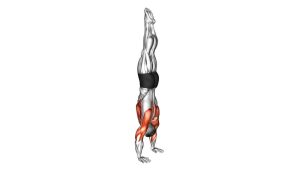
- Get into a pike position: Put your hands on the elevated supports and your feet on the floor behind you.
- Lift the hips high: Form an inverted “V” shape so the torso is angled downward and the shoulders take most of the load.
- Brace the trunk: Tighten your abs and keep the ribs from flaring so you do not dump into the lower back.
- Set the head and hands: Grip the handles firmly, spread the shoulders actively, and keep your gaze slightly back toward the feet.
Tip: The more vertical your torso becomes, the more this exercise behaves like a bodyweight overhead press.
Execution (Step-by-Step)
- Start tall through the shoulders: Lock in the pike position with straight arms and elevated hips.
- Lower under control: Bend the elbows and let the head travel down between the hands.
- Use the deficit fully: Continue descending until the head drops below hand level if your mobility and control allow it.
- Keep the elbows natural: Let them move slightly outward, but avoid flaring excessively to the sides.
- Pause briefly at the bottom: Stay tight through the core and shoulders instead of bouncing out of the deepest point.
- Press back up: Drive through the palms, extend the elbows, and push the body back to the starting pike position.
- Finish with control: Return to straight arms while keeping the hips high and the neck neutral.
Pro Tips & Common Mistakes
- Keep the hips up: Dropping the hips turns the movement into a more chest-dominant push-up.
- Use a controlled descent: The deficit increases the range of motion, so lowering too fast can overload the shoulders.
- Don’t force extreme depth: Only go as low as you can while keeping the shoulders and neck stable.
- Brace the core: A loose trunk makes the exercise harder to balance and reduces pressing efficiency.
- Warm up the wrists: Elevated hand work can be demanding on the wrists if you rush into hard sets.
- Keep the rep path consistent: Head moves down between the hands, then back up along the same general line.
- Avoid shrugging mindlessly: Let the shoulders work, but do not collapse into the ears with no control.
- Progress gradually: Increase the deficit height or difficulty only after mastering a lower setup first.
FAQ
What muscles does the pike push-up from deficit work the most?
It mainly targets the front delts, while also training the triceps, lateral delts, and upper-body stabilizers. Because the torso angle is more vertical than a standard push-up, it places more stress on the shoulders.
Is this harder than a regular pike push-up?
Yes. The elevated hands create a deeper range of motion, which increases shoulder loading and makes the movement more demanding. It is a strong progression once you already own the standard pike push-up.
Is this a good handstand push-up progression?
Absolutely. It teaches bodyweight overhead pressing mechanics, strengthens the shoulders through deeper flexion, and helps bridge the gap between pike push-ups and more advanced inverted pressing variations.
How high should the deficit be?
Start with a small, stable elevation that lets you gain a bit more depth without losing control. Higher is not automatically better. The right deficit is the one you can use with clean reps and no joint discomfort.
Can beginners do this exercise?
Most beginners should first master incline push-ups, standard push-ups, and regular pike push-ups. The deficit variation is better suited to trainees who already have decent shoulder strength, body awareness, and wrist tolerance.
Recommended Equipment
- Push-Up Parallettes / Parallettes Bars — ideal for creating the deficit and giving you a more secure neutral grip
- Wooden Parallettes Bars — a sturdier upgrade for calisthenics athletes who also want to train L-sits, holds, and handstand work
- Yoga Blocks — useful as a simple low-height deficit option when you want a smaller progression step
- Exercise Mat — helps improve grip and comfort for the feet during bodyweight pressing sessions
- Wrist Wraps / Wrist Support — helpful for trainees who want extra wrist support during high-volume pressing work
Good choices here are products built around non-slip bases, comfortable grips, and stable support surfaces. Amazon search results currently show parallettes/push-up bars, yoga blocks, mats, and wrist-support items that match those needs well.