Ab Wheel Rollout: Proper Form, Core Benefits, Sets, Tips & FAQ
Learn the Ab Wheel Rollout for stronger abs, anti-extension core control, and better trunk stability. Includes form, sets, tips, FAQs, and gear.
Ab Wheel Rollout
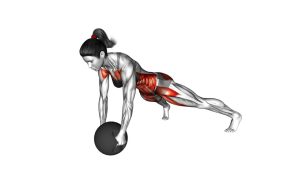
This exercise is best performed with patience, precision, and a strong brace. During each rep, the body lengthens from the knees toward the hands while the ab wheel rolls forward. The main goal is to keep the ribs down, pelvis controlled, and spine stable as the lever becomes longer.
Although the ab wheel looks simple, it places high demand on the rectus abdominis, deep core stabilizers, lats, shoulders, and hip control. For that reason, beginners should start with a short range of motion before progressing into deeper rollouts.
Quick Overview
| Body Part | Abs |
|---|---|
| Primary Muscle | Rectus abdominis |
| Secondary Muscle | Transverse abdominis, obliques, lats, serratus anterior, shoulders, hip flexors |
| Equipment | Ab wheel / ab roller, exercise mat |
| Difficulty | Intermediate; beginner-friendly only when performed from the knees with limited range |
Sets & Reps (By Goal)
- Beginner technique practice: 2–3 sets × 5–8 controlled reps with a short rollout range.
- Core strength: 3–4 sets × 6–12 reps with a slow forward phase and strong return.
- Muscle endurance: 2–4 sets × 10–15 reps while keeping every rep smooth and braced.
- Advanced anti-extension training: 4–5 sets × 5–10 deeper rollouts with strict spinal control.
Progression rule: Add range of motion before adding reps. Once you can roll forward and return without arching your lower back, increase distance gradually.
Setup / Starting Position
- Start on your knees: Place your knees on a mat to reduce pressure and create a stable base.
- Grip the wheel firmly: Hold both handles with the wheel directly under or slightly in front of your shoulders.
- Set your hips: Keep your hips slightly forward instead of sitting back toward your heels.
- Brace your core: Pull the ribs down, gently tuck the pelvis, and tighten the abs before moving.
- Keep your neck neutral: Look slightly ahead of the wheel without lifting your chin excessively.
Tip: If you are new to this exercise, roll toward a wall. The wall limits your range and prevents you from going too far before your core is ready.
Execution (Step-by-Step)
- Brace before the rollout: Tighten your abs as if preparing for a light punch to the stomach.
- Roll forward slowly: Let the wheel travel away from your knees while your arms reach forward.
- Keep your body connected: Move the shoulders, torso, and hips together instead of letting the lower back collapse.
- Pause briefly at your limit: Stop when you can still maintain a neutral spine and strong abdominal tension.
- Pull back with control: Use your abs and lats to bring the wheel back toward the knees.
- Reset your brace: Return to the starting position, breathe, and prepare before the next rep.
Pro Tips & Common Mistakes
- Do not let the hips sag: A dropping pelvis shifts stress into the lower back and reduces abdominal control.
- Avoid rushing the return: Pull the wheel back smoothly instead of snapping your hips backward.
- Keep the ribs down: Rib flare usually means the abs are losing tension near the end range.
- Use a shorter range first: Partial rollouts build the strength needed for full rollouts.
- Keep the arms long: Bending the elbows too much can turn the movement into an arm pull instead of a core drill.
- Breathe with control: Exhale gently as you return, but do not fully relax your brace.
- Use the lats: Think about pulling the wheel back with your armpits while your abs protect the spine.
- Stop before fatigue breaks form: One poor rep can overload the lower back, especially at deep range.
FAQ
Is the Ab Wheel Rollout good for building abs?
Yes. The Ab Wheel Rollout is excellent for training the abs because it challenges the core through anti-extension. The rectus abdominis works hard to prevent the spine from arching as the body reaches forward.
Should beginners do ab wheel rollouts?
Beginners can use this exercise if they start from the knees and limit the range. A wall-stop variation is also helpful because it prevents the wheel from rolling too far forward.
Why does my lower back hurt during ab wheel rollouts?
Lower-back discomfort usually happens when the hips drop, the ribs flare, or the rollout goes beyond your current strength level. Reduce the distance, brace harder, and keep the pelvis slightly tucked.
How far should I roll out?
Roll only as far as you can while keeping your spine neutral. Over time, your range can increase as your abs, lats, and shoulder stability improve.
What muscles does the Ab Wheel Rollout work?
The main target is the rectus abdominis. Secondary muscles include the transverse abdominis, obliques, lats, serratus anterior, shoulders, and hip flexors.
How many times per week should I do this exercise?
Most people can perform ab wheel rollouts 2–3 times per week. Allow enough recovery between sessions, especially if your abs or shoulders feel sore.
Recommended Equipment
- Ab Wheel Roller — the main tool for performing kneeling and advanced rollout variations.
- Wide Ab Roller Wheel — offers extra stability for beginners learning controlled rollout mechanics.
- Thick Exercise Mat — protects the knees and improves comfort during kneeling rollouts.
- Knee Pad for Ab Wheel — compact padding option for home gyms or travel workouts.
- Resistance Bands Set — useful for assisted rollout progressions and upper-back accessory work.
Tip: Choose an ab wheel with comfortable handles and smooth rolling action. Better grip and wheel stability make it easier to focus on core control.