Arm Rotation Knee Lift: Form, Benefits, Sets, Tips & FAQ
Learn the Arm Rotation Knee Lift for warm-ups, balance, coordination, light cardio, and full-body mobility with safe form, sets, tips, FAQs, and gear.
Arm Rotation Knee Lift
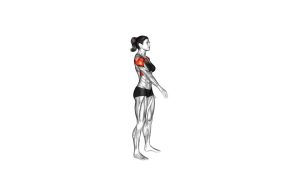
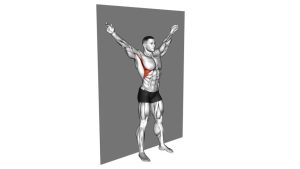
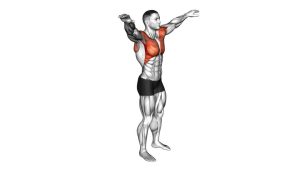
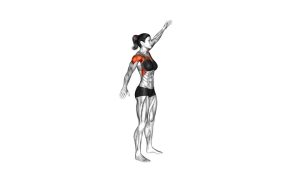
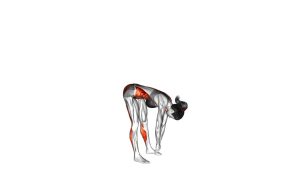
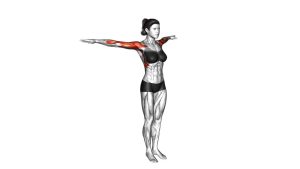
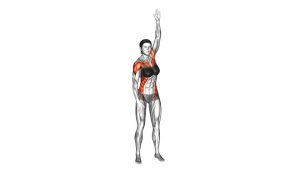
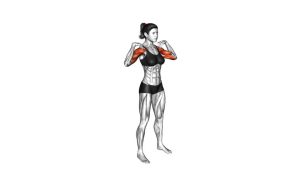
This exercise is best used as a warm-up, low-impact cardio drill, or coordination movement. Because the arms rotate while the knees alternate, the body must stay tall, balanced, and controlled. Therefore, the exercise rewards smooth rhythm more than speed. Keep the torso upright, lift each knee with control, and continue the arm circles without jerky movement.
Quick Overview
| Body Part | Cardio |
|---|---|
| Primary Muscle | Hip flexors and shoulders |
| Secondary Muscle | Core stabilizers, glutes, calves, and upper back |
| Equipment | No equipment required |
| Difficulty | Beginner-friendly |
Sets & Reps (By Goal)
- Warm-up: 2–3 sets × 30–45 seconds at an easy pace.
- Coordination practice: 2–4 sets × 8–12 knee lifts per side with smooth arm circles.
- Light cardio: 3–5 sets × 45–60 seconds with 30–45 seconds rest.
- Balance control: 2–3 sets × 6–10 reps per side, using a slower tempo.
Progression rule: First improve rhythm and balance. Then increase duration, knee height, or arm-circle speed only when your posture stays controlled.
Setup / Starting Position
- Stand tall: Place your feet about hip-width apart and keep your body upright.
- Set your arms: Bring both arms forward or slightly raised so they can rotate smoothly.
- Brace lightly: Keep your core engaged enough to prevent leaning or wobbling.
- Relax the shoulders: Avoid shrugging before the arm rotation begins.
- Look forward: Keep the head steady and eyes ahead to support balance.
Tip: Start slowly. A controlled version is more useful than a fast version that causes leaning, shoulder tension, or uneven knee lifts.
Execution (Step-by-Step)
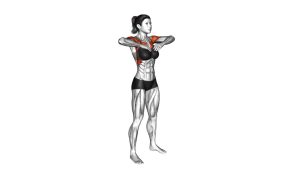
- Begin the arm rotation: Move both arms in a smooth circular pattern from the shoulders.
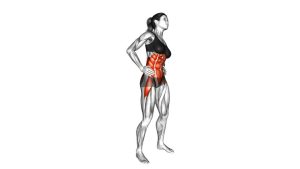
- Lift one knee: Raise one knee upward toward hip level while staying tall.
- Control the pause: Briefly keep the knee lifted without leaning backward or hopping.
- Lower the foot: Return the lifted foot to the floor with control.
- Switch sides: Lift the opposite knee while keeping the arm circles continuous.
- Repeat rhythmically: Continue alternating knees while maintaining steady breathing and posture.
Pro Tips & Common Mistakes
- Keep the torso upright: Do not lean back to lift the knee higher.
- Rotate from the shoulders: Let the arms move in smooth circles without locking the elbows aggressively.
- Control each foot landing: Avoid stomping, bouncing, or rushing the transition.
- Use a steady rhythm: Match the knee lift and arm rotation so the drill feels coordinated.
- Avoid shoulder shrugging: Keep the neck relaxed while the arms circle.
- Reduce speed if needed: Balance and posture matter more than fast repetitions.
FAQ
What is the Arm Rotation Knee Lift good for?
It is useful for warming up the body, improving coordination, practicing balance, and adding light cardio. Additionally, the arm rotation adds shoulder mobility while the knee lift challenges hip control.
Is this exercise beginner-friendly?
Yes. The movement is beginner-friendly because it uses bodyweight only and can be performed at a slow pace. However, beginners should keep the knee lift moderate and focus on balance first.
Should I lift my knee as high as possible?
Not necessarily. Lift the knee only as high as you can while keeping your torso upright and your foot landing controlled. A lower knee lift is better if it keeps the movement clean.
Can I use this as a warm-up before workouts?
Yes. It works well before cardio, bodyweight training, lower-body workouts, and general mobility sessions. For best results, use a smooth pace and gradually increase movement range.
What mistakes should I avoid?
Avoid leaning backward, rushing the knee lift, shrugging the shoulders, stopping the arm circles, or landing the foot heavily. Instead, keep the drill smooth and controlled.
Recommended Equipment (Optional)
- Exercise Mat — provides a comfortable non-slip surface for standing warm-up drills.
- Training Shoes — support balance, foot stability, and controlled landings.
- Fitness Interval Timer — helps track timed warm-up sets and cardio intervals.
- Adjustable Ankle Weights — optional progression for advanced users who can maintain clean knee lifts.
- Mobility Stick — useful for shoulder mobility work before or after arm-rotation drills.
Tip: Equipment is optional. This exercise can be performed effectively with bodyweight only, especially when the main goal is warm-up, rhythm, balance, and coordination.