Standing Swimmer: Proper Form, Shoulder Benefits, Sets, Tips & FAQ
Learn how to perform the Standing Swimmer with proper form to improve shoulder mobility, activation, and coordination. Includes setup, step-by-step execution, sets by goal, mistakes to avoid, FAQs, and recommended equipment.
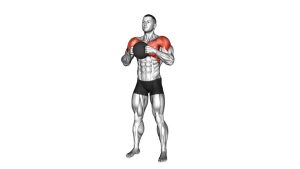
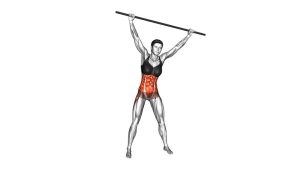
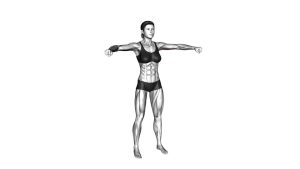
Standing Swimmer
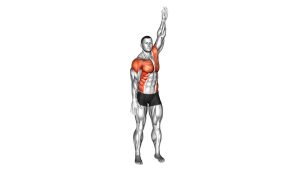
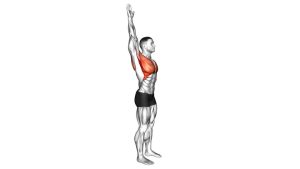
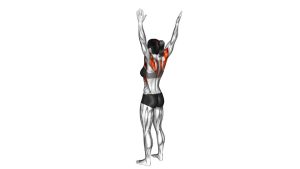
This exercise works best as a warm-up, mobility drill, or movement-prep exercise before pressing, pulling, or upper-body training. The goal is to move the arms through a comfortable arc while keeping the ribs down, the neck relaxed, and the motion smooth. You should feel the shoulders moving freely, not pinching, grinding, or straining.
Quick Overview
| Body Part | Shoulders |
|---|---|
| Primary Muscle | Deltoids (especially anterior deltoids) |
| Secondary Muscle | Posterior deltoids, rotator cuff, upper traps, rhomboids, serratus anterior |
| Equipment | None |
| Difficulty | Beginner |
Sets & Reps (By Goal)
- Warm-up before upper-body training: 2–3 sets × 10–20 reps per arm or 20–40 seconds continuous
- Shoulder mobility practice: 2–4 sets × 8–15 slow reps per arm
- Activation before pressing or overhead work: 2–3 sets × 12–16 total alternating reps
- Movement prep / recovery day: 1–3 sets × 30–60 seconds at an easy pace
Progression rule: First increase control and range of motion. After that, add time, reps, or a slower tempo rather than rushing the movement.
Setup / Starting Position
- Stand tall: Place your feet about hip-width apart with your knees soft and posture upright.
- Brace lightly: Keep your core gently engaged and ribs stacked over your hips.
- Relax the shoulders: Let the shoulders stay down and away from the ears.
- Start with natural arms: Arms begin by your sides or slightly in front of the body.
- Keep the neck neutral: Look forward and avoid jutting the head forward.
Tip: Think “tall spine, loose shoulders, smooth circles” before you begin.
Execution (Step-by-Step)
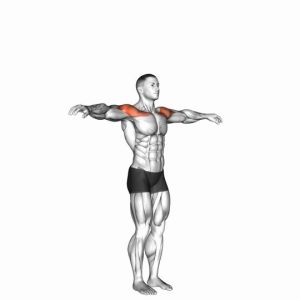
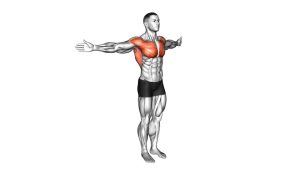
- Lift one arm forward: Raise one arm in front of your body in a smooth arc.
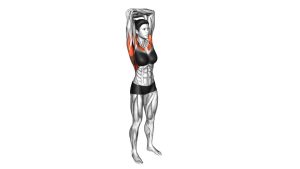
- Reach overhead: Continue the motion upward as the shoulder moves through a comfortable overhead range.
- Sweep back and down: Bring that arm behind and down in a fluid swimming-like path.
- Alternate sides: As one arm finishes, begin the same path with the other arm.
- Maintain rhythm: Continue alternating in a controlled, cyclical motion without rushing.
Pro Tips & Common Mistakes
- Move smoothly: This drill is about control, not speed.
- Keep the ribs down: Avoid leaning back or flaring the chest to fake overhead range.
- Don’t shrug: Keep the upper traps from taking over.
- Use pain-free range: Small, clean reps are better than forcing big arcs.
- Stay relaxed through the neck: Tension should not creep into the jaw or shoulders.
- Match your breathing to the rhythm: Calm breathing helps keep the movement fluid.
FAQ
What is the Standing Swimmer good for?
It is mainly used to improve shoulder mobility, warm up the upper body, and build better coordination before strength training or sports.
Is Standing Swimmer a strength exercise?
Not primarily. It is better described as a mobility and activation drill. It can lightly challenge the shoulders, but its main value is movement quality.
Should both arms move at the same time?
Usually the movement works best with an alternating pattern, which creates a smooth swimming rhythm and makes the drill easier to control.
Can beginners use this exercise?
Yes. It is beginner-friendly as long as you use a comfortable range of motion and avoid forcing the shoulders overhead.
What if I feel pinching in my shoulder?
Reduce your range of motion, slow the pace, and keep the ribs down. If pinching continues, stop the exercise and reassess your shoulder comfort and technique.
Recommended Equipment (Optional)
- Shoulder Resistance Bands — useful for shoulder activation, rehab-style work, and pairing with mobility drills
- Therapy Bands — ideal for light resistance work, rotator cuff activation, and warm-up circuits
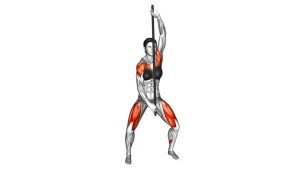
- Mobility Stick — helpful for shoulder pass-throughs, range-of-motion drills, and posture work
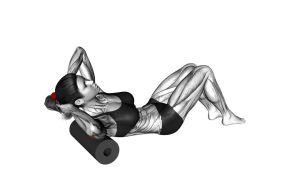
- Foam Roller — useful for upper-back mobility and thoracic extension work that can support better shoulder motion
- Exercise Mat — gives you a comfortable surface for combining this drill with floor-based mobility work
Tip: Standing Swimmer itself needs no equipment, but these tools pair well with shoulder warm-ups, mobility sessions, and corrective upper-body training.