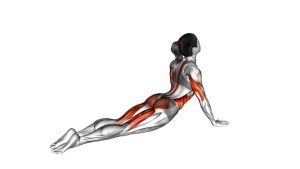
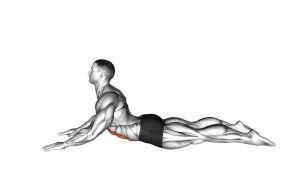
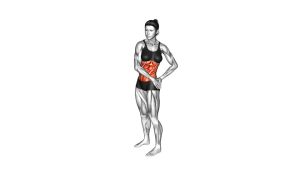
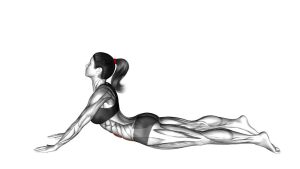
Backward Abdominal Stretch: Form, Benefits, Sets, Tips & FAQ
Learn the Backward Abdominal Stretch to open the abs, hip flexors, and front body with safe kneeling form, step-by-step cues, tips, FAQs, and gear.
Backward Abdominal Stretch
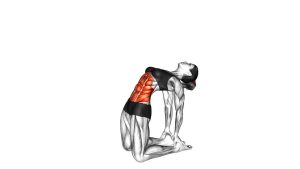
This stretch works best when the movement is controlled rather than forced. First, the knees stay grounded. Then, the hips move forward while the chest rises. As a result, the front of the body opens without turning the stretch into a careless lower-back collapse.
Although the position looks like a deep backbend, the goal is not maximum range. Instead, the focus is steady breathing, abdominal length, and smooth return to the starting position. Therefore, use a smaller range if your lower back, neck, or knees feel uncomfortable.
Quick Overview
| Body Part | Abs |
|---|---|
| Primary Muscle | Rectus abdominis |
| Secondary Muscle | Hip flexors, obliques, chest, spinal extensors, and front shoulder line |
| Equipment | No equipment required; exercise mat optional |
| Difficulty | Beginner to Intermediate, depending on spinal extension and shoulder mobility |
Sets & Reps (By Goal)
- General flexibility: 2–3 sets × 15–30 second holds with slow breathing.
- Warm-up mobility: 1–2 sets × 5–8 controlled reps, holding each rep for 2–5 seconds.
- Post-workout stretching: 2–4 sets × 20–40 second holds with relaxed shoulders.
- Beginner range practice: 2 sets × 5–6 short reps, reaching only as far as comfortable.
Progression rule: Add time before adding depth. Once you can breathe calmly and return smoothly, you may gradually increase the backward lean.
Setup / Starting Position
- Kneel on the floor: Place both knees on a mat with the lower legs extended behind you.
- Set your feet: Keep the tops of the feet resting on the floor, as shown in the movement.
- Stack your torso: Start tall with the chest lifted and the hips positioned over the knees.
- Reach back carefully: Move both arms behind the body toward the heels.
- Prepare your neck: Keep the head comfortable before allowing any backward tilt.
If reaching the heels is too difficult, reduce the range and place the hands on the lower back or hips instead.
Execution (Step-by-Step)
- Start tall: Kneel upright with the chest open and the shoulders relaxed.
- Reach toward the heels: Bring both hands backward until they contact the heels or come close to them.
- Lift the chest: Open the front of the body by lifting the sternum upward instead of simply dropping backward.
- Move the hips forward: Keep the hips pressing forward over the knees to lengthen the abdomen and hip flexors.
- Enter the stretch: Allow the torso to form a controlled backward curve while the abdomen lengthens.
- Hold and breathe: Stay in the stretch briefly while breathing slowly and keeping the shoulders calm.
- Return with control: Bring the torso forward smoothly and reset to the upright kneeling position.
Pro Tips & Common Mistakes
Pro Tips
- Lift before leaning: Think “chest up” first, then move backward.
- Keep the hips forward: This helps target the front body instead of folding into the lower back.
- Use your hands as support: The hands should guide the position, not pull the spine aggressively.
- Breathe slowly: Controlled breathing helps reduce tension and improves stretch quality.
- Exit slowly: Return to upright with control to avoid dizziness or sudden spinal strain.
Common Mistakes
- Collapsing into the lower back: This can create compression instead of a clean abdominal stretch.
- Letting the hips sit back: When the hips move backward, the front-body stretch becomes weaker.
- Forcing the neck back: Neck extension is visible in the movement, but it should remain comfortable.
- Holding the breath: Breath-holding increases tension and makes the stretch harder to control.
- Rushing the return: Coming up too fast can reduce control and increase discomfort.
FAQ
What muscles does the Backward Abdominal Stretch target?
It primarily stretches the rectus abdominis. Additionally, it can open the hip flexors, chest, obliques, and front shoulder line because the body moves into a kneeling backbend position.
Is the Backward Abdominal Stretch the same as a camel stretch?
It looks very similar to a camel-style stretch because both involve kneeling and reaching back. However, this version is described here as an abdominal-focused stretch because the visible target area is the front core.
Should I feel this stretch in my lower back?
You may feel the lower back working lightly to support the position. However, the main sensation should be across the front of the body. If you feel pinching, pressure, or sharp discomfort, reduce the range.
Can beginners do this exercise?
Yes, but beginners should use a smaller range. For example, you can place your hands on your hips instead of reaching all the way to the heels.
How long should I hold the Backward Abdominal Stretch?
Start with 15–20 seconds. Then, if your breathing stays relaxed and your lower back feels comfortable, gradually work toward 30–40 seconds.
When should I avoid this stretch?
Avoid it if you have sharp back pain, recent spinal injury, severe knee discomfort, dizziness, or pain during neck extension. In those cases, choose a gentler abdominal stretch.
Recommended Equipment (Optional)
- Exercise Mat — adds cushioning for the knees during kneeling stretches.
- Yoga Knee Pad — useful if the kneeling position causes knee pressure.
- Yoga Blocks — can support the hands if reaching the heels is too deep.
- Stretching Strap — helps with mobility work and gentle flexibility routines.
- Foam Roller — useful for preparing the upper back, hips, and front body before stretching.
Choose supportive tools only when they improve comfort and control. If a tool makes the stretch feel sharper or less stable, remove it and use a smaller range.