Backward Abdominal Stretch: Form, Benefits, Sets, Tips & FAQ
Learn the Backward Abdominal Stretch to lengthen the abs, open the front body, and improve controlled spinal extension with safe form tips.
Backward Abdominal Stretch
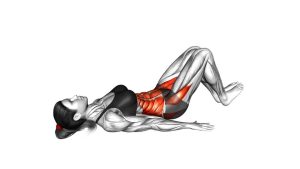
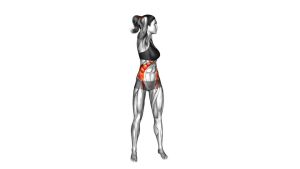
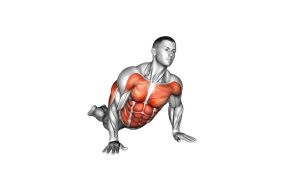
This exercise is best performed slowly because the goal is not speed or maximum range. Instead, the goal is a controlled stretch through the front of the body while the knees stay grounded and the hips remain forward. As a result, the abdominal muscles are lengthened while the chest opens and the spine moves into extension.
Quick Overview
| Body Part | Core |
|---|---|
| Primary Muscle | Rectus abdominis |
| Secondary Muscle | Obliques, hip flexors, anterior trunk tissues, spinal extensors for control |
| Equipment | No equipment required |
| Difficulty | Beginner to intermediate, depending on mobility and backbend tolerance |
Sets & Reps (By Goal)
- General flexibility: 2–3 sets × 15–25 second holds
- Post-workout abdominal stretch: 1–2 sets × 20–30 second holds
- Mobility practice: 2–4 sets × 10–20 second controlled holds
- Beginner range practice: 2 sets × 5–8 slow partial reps without forcing the heels reach
Progression rule: First improve control and comfort. Then gradually increase hold time or lean depth only if the spine, hips, and neck feel relaxed.
Setup / Starting Position
- Kneel on the floor: Place both knees down with the thighs vertical.
- Start tall: Keep the torso upright, chest open, and hips stacked above the knees.
- Relax the arms: Let the arms rest naturally by your sides before starting the lean.
- Brace lightly: Keep enough control through the core so the lower back does not collapse suddenly.
- Prepare the neck: Keep the head neutral at first, then allow it to follow the body only if comfortable.
If the floor feels uncomfortable, place a folded mat or pad under the knees before performing the stretch.
Execution (Step-by-Step)
- Begin upright: Start on both knees with your torso vertical and your arms at your sides.
- Lean backward slowly: Move the torso backward while keeping the hips pushed forward.
- Reach for the heels: Bring both hands behind you and place them on the heels when your range allows.
- Lift the chest: Open the front of the body while the abdominal area lengthens.
- Hold the stretch: Stay in the extended position without bouncing or pulling aggressively.
- Return with control: Release the heels, bring the torso forward, and return to an upright kneeling position.
Pro Tips & Common Mistakes
- Move slowly: A controlled backward lean protects the spine and improves stretch quality.
- Do not bounce: Hold the end position steadily instead of pulsing deeper.
- Keep the hips forward: This helps maintain the front-body stretch shown in the video.
- Avoid yanking on the heels: The hands should support the position, not force the backbend.
- Respect neck comfort: Let the head drop back only if it feels natural and pain-free.
- Use a smaller range if needed: You do not need to touch the heels to benefit from the stretch.
- Return slowly: Coming out too fast can create unnecessary stress through the lower back.
FAQ
What muscles does the Backward Abdominal Stretch target?
It mainly stretches the rectus abdominis, which runs along the front of the abdomen. Additionally, it may stretch the obliques and hip flexor area depending on your range of motion.
Is the Backward Abdominal Stretch the same as a camel stretch?
It is visually similar because both use a kneeling backward lean with the hands reaching toward the heels. However, this version is described here specifically as an abdominal-focused stretch based on the visible exercise.
Should I touch my heels every time?
No. Touching the heels is only useful if you can do it comfortably. If your range is limited, lean back partially and keep the hands near the hips, lower back, or thighs for support.
Why do I feel this in my lower back?
Some spinal extension is visible in this movement, so the lower back may work to control the position. However, sharp pain or pinching is not normal. Reduce the range and keep the hips forward.
When should I use this stretch?
It works well after core training, after sports that involve trunk flexion, or during a mobility session. For best results, perform it after the body is warm rather than forcing it cold.
Recommended Equipment (Optional)
- Thick Exercise Mat — adds knee comfort during kneeling stretches
- Exercise Knee Pad — useful if your knees feel pressure on hard floors
- Yoga Blocks — can provide hand support if you cannot reach your heels
- Foam Roller — helpful for warm-up mobility before deeper stretching
- Stretching Strap — useful for general flexibility routines and assisted mobility work
Tip: Equipment is optional. However, knee support and hand elevation can make the stretch more comfortable, especially if your mobility is limited.