Barbell Jump Squat: Explosive Power, Form, Sets, Tips & FAQ
Learn the Barbell Jump Squat for explosive leg power, stronger glutes, and athletic jumping strength. Includes form, sets, tips, FAQs, and gear.
Barbell Jump Squat
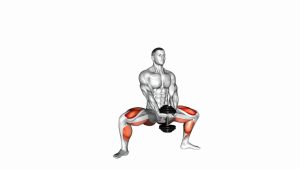
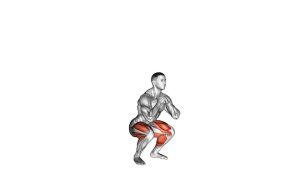
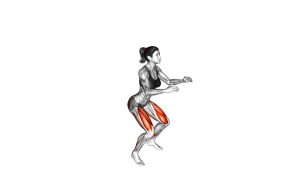
This exercise works best when the load is light enough to move fast. A proper Barbell Jump Squat should look athletic, crisp, and controlled. The descent is short to moderate, the upward drive is explosive, and the landing is quiet with the knees and hips absorbing force. Keep the bar stable on the upper back and avoid letting the weight turn the movement into a slow squat.
Quick Overview
| Body Part | Legs |
|---|---|
| Primary Muscle | Quadriceps and Glutes |
| Secondary Muscle | Hamstrings, Calves, Core, Lower Back, Upper Back |
| Equipment | Barbell, weight plates, squat rack, collars |
| Difficulty | Advanced because it combines external loading, jumping, landing, and barbell control |
Sets & Reps (By Goal)
- Explosive power: 3–5 sets × 3–5 reps using a light-to-moderate load with full recovery.
- Athletic conditioning: 3–4 sets × 5–8 reps using a lighter load and clean landing mechanics.
- Speed-strength practice: 4–6 sets × 2–4 reps with maximum bar speed and 90–150 seconds rest.
- Lower-body primer: 2–3 sets × 3 reps before heavy squats, sprints, or jump training.
Progression rule: Progress by improving jump speed, landing quality, and bar control before adding weight. This exercise should stay fast. If your reps become slow, heavy, or unstable, reduce the load.
Setup / Starting Position
- Set the rack height: Position the bar around upper-chest height so you can unrack it without calf raising or bending too low.
- Place the bar on the upper back: Use a high-bar or comfortable upper-trap position. Do not place the bar on the neck.
- Grip firmly: Hold the bar with both hands and pull your upper back tight to create a stable shelf.
- Step back safely: Take one or two controlled steps away from the rack and set your feet about shoulder-width apart.
- Brace your core: Keep ribs stacked, chest tall, and eyes forward.
- Set your stance: Turn toes slightly out and keep weight balanced over the mid-foot.
The setup should feel strong before the first rep. If the bar shifts, your feet feel unstable, or the load feels too heavy, reset before jumping.
Execution (Step-by-Step)
- Start tall: Stand upright with the bar secure, core braced, and shoulders tight.
- Dip into a squat: Bend the knees and hips into a short-to-moderate squat depth. Keep the torso controlled and the heels grounded.
- Load like a spring: Do not pause too long at the bottom. Keep the transition quick but controlled.
- Drive upward explosively: Push hard through the floor and extend the hips, knees, and ankles together.
- Leave the ground briefly: Allow a small, controlled jump. Keep the bar stable and avoid leaning forward or backward in the air.
- Land softly: Absorb the landing by bending the knees and hips. Keep the knees tracking over the toes.
- Reset before the next rep: Regain balance, brace again, and repeat only when your position is clean.
Pro Tips & Common Mistakes
- Use light loads: This is a power exercise, not a max-strength squat. Heavy loads reduce speed and increase landing stress.
- Land quietly: Soft landings show control. Loud landings often mean poor absorption or too much load.
- Keep the bar tight: Pull the bar into your upper back and keep your torso braced so the bar does not bounce.
- Avoid deep fatigue: Stop the set when jump height, speed, or landing quality drops.
- Do not turn it into a calf hop: Use the hips, knees, and ankles together for full triple extension.
- Do not squat too deep: A moderate dip usually works best for explosive output and repeatable jumps.
- Control knee position: Knees should track in the same direction as the toes during both takeoff and landing.
- Use collars: Barbell collars help keep plates secure during explosive movement.
FAQ
What muscles does the Barbell Jump Squat work?
The Barbell Jump Squat mainly works the quadriceps and glutes. It also trains the hamstrings, calves, core, lower back, and upper back because the body must stabilize the bar while producing explosive force.
Is the Barbell Jump Squat good for building vertical jump power?
Yes. It can support vertical jump development because it trains fast lower-body force production. For best results, combine it with regular strength squats, sprint work, bodyweight jumps, and proper recovery.
How heavy should I go on Barbell Jump Squats?
Use a load that allows fast, clean jumps and soft landings. Most athletes should keep the load relatively light. If the bar speed slows down or landing becomes rough, the weight is too heavy.
Should I pause at the bottom?
Usually, no. A short, controlled dip followed by an explosive drive is best for power training. Pausing too long can reduce the elastic quality of the movement.
Who should avoid Barbell Jump Squats?
Beginners, people with poor squat mechanics, and anyone with current knee, ankle, hip, or back pain should avoid this exercise until they have the required strength and control. Bodyweight jump squats are a better starting point.
Recommended Equipment
- Olympic Barbell — the main tool for loaded jump squat power training
- Barbell Collars — keeps plates secure during explosive reps
- Bumper Plates — useful for safer barbell loading and gym floor protection
- Squat Rack — helps you unrack and rerack the bar safely
- Weightlifting Shoes — provides a stable base for squatting and force production
Tip: Choose equipment that improves control and safety. For this exercise, secure plates, stable footing, and a safe rack setup matter more than heavy loading.