Kettlebell Full Swing: Proper Form, Muscles Worked, Sets, Tips & FAQ
Learn how to perform the Kettlebell Full Swing with proper hip hinge mechanics, explosive hip drive, and safe technique. Includes muscles worked, sets and reps by goal, setup, execution, mistakes, FAQ, and recommended equipment.
Kettlebell Full Swing
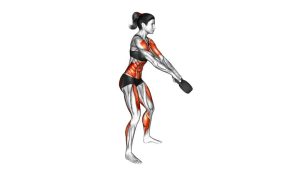
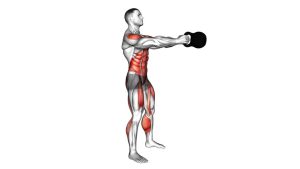
This exercise works best when you treat it as a powerful hinge, not a front raise. The kettlebell should move because of the speed and force of your hips, not because you are lifting it with your shoulders. When performed correctly, the swing feels athletic, rhythmic, and crisp. You should feel strong effort through the glutes, hamstrings, and midsection, while the shoulders stay relatively relaxed.
Quick Overview
| Body Part | Lower Back |
|---|---|
| Primary Muscle | Glutes |
| Secondary Muscle | Hamstrings, spinal erectors, core, lats, forearms, shoulders (stabilizing) |
| Equipment | Kettlebell |
| Difficulty | Intermediate |
Sets & Reps (By Goal)
- Power development: 4–6 sets × 6–10 reps with full rest between sets
- Conditioning: 3–5 sets × 12–20 reps or 20–40 seconds of work
- General fitness: 3–4 sets × 10–15 reps
- Technique practice: 2–4 sets × 6–8 crisp reps with a lighter bell
Progression rule: Build perfect hip hinge timing first, then increase reps, total sets, or kettlebell load. Never sacrifice snap, posture, or control just to swing heavier.
Setup / Starting Position
- Place the kettlebell in front of you: Set it about a foot in front of your stance so you can hike it back cleanly.
- Stand with feet around shoulder-width apart: Toes can point slightly outward if that feels natural.
- Brace and hinge: Push the hips back, keep a neutral spine, and soften the knees slightly.
- Grip the handle with both hands: Pack the shoulders down and back without shrugging.
- Prepare for the hike: Keep the chest proud, neck neutral, and core tight before the first rep begins.
Tip: The setup should look like an athletic hinge, not a squat. Your hips go back more than your knees go forward.
Execution (Step-by-Step)
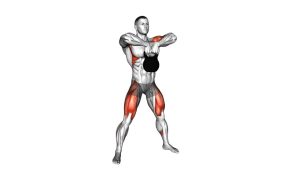
- Hike the kettlebell back: Pull the bell sharply between the legs while keeping it close to the groin.
- Load the posterior chain: Feel tension in the glutes and hamstrings as the hips move back.
- Drive the hips forward: Explosively extend the hips to send the kettlebell upward.
- Let the bell float: Arms stay long and relaxed while the kettlebell rises from momentum, not shoulder lifting.
- Stand tall at the top: Squeeze the glutes, brace the abs, and avoid leaning backward.
- Guide the descent: Let the kettlebell fall naturally, then hinge back to receive it.
- Repeat with rhythm: Maintain smooth timing and consistent hinge mechanics on every rep.
Pro Tips & Common Mistakes
- Drive with the hips, not the arms: The shoulders should guide the kettlebell, not lift it.
- Keep the hinge pattern clean: Push the hips back instead of turning the swing into a squat.
- Keep the kettlebell close: A tight backswing improves power and reduces unnecessary strain.
- Brace at the top: Finish tall with glutes and abs engaged, not with the ribcage flared.
- Avoid overextension: Do not lean backward at the top of the swing.
- Use a controlled breathing rhythm: Sharp exhale on the hip snap, inhale during the backswing.
- Do not rush heavier loads: Clean timing and posture matter more than kettlebell size.
FAQ
What muscles does the kettlebell full swing work most?
The main drivers are the glutes and hamstrings. The core, spinal erectors, lats, grip, and shoulders also contribute by stabilizing the movement.
Is the kettlebell full swing a squat or a hinge?
It is primarily a hip hinge. Your hips should move back and then snap forward powerfully. If your knees dominate the motion, you are probably squatting too much.
Should I lift the kettlebell with my shoulders?
No. The kettlebell should rise because of the force generated from your hips. Your arms act more like straps connecting your body to the bell.
Who should be careful with this exercise?
Anyone with active low-back pain, uncontrolled shoulder issues, or poor hinge mechanics should start with lighter progressions and master the basic kettlebell swing before pushing intensity.
What is the biggest mistake beginners make?
The most common mistake is using the arms to lift the kettlebell instead of snapping the hips. The second is turning the movement into a squat instead of a hinge.
Recommended Equipment
- Cast Iron Kettlebell — the core tool for full swings; choose a weight that lets you keep crisp hip-drive mechanics
- Powder-Coated Kettlebell — offers a solid grip feel and is popular for high-rep swing work
- Exercise Mat / Floor Protection Mat — helps protect training surfaces and gives you a cleaner workout area
- Gym Chalk — useful for sweaty hands and more secure grip during swing sessions
- Kettlebell Wrist Guards — optional support for comfort and forearm protection during kettlebell practice
Choose equipment that supports safe mechanics first. For swings, grip quality, floor safety, and a bell with a comfortable handle matter more than flashy extras.