EZ-Bar Seated Close-Grip Shoulder Press: Form, Sets, Tips & FAQ
Learn the EZ-Bar Seated Close-Grip Shoulder Press for stronger front delts and triceps with a wrist-friendly pressing path. Includes proper form, sets by goal, mistakes, FAQs, and recommended equipment.
EZ-Bar Seated Close-Grip Shoulder Press
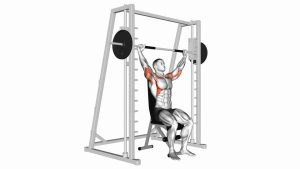
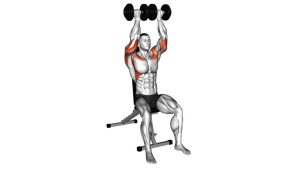
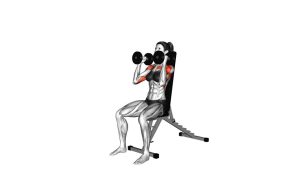
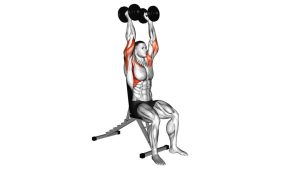
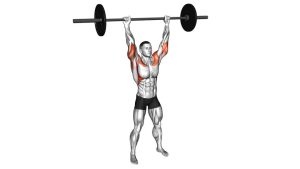
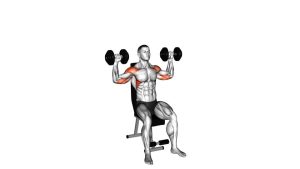
This exercise works best when the press stays smooth, vertical, and controlled. At the bottom, the bar should settle near the upper chest or clavicle area without collapsing posture. At the top, press overhead without aggressively locking out or over-arching the lower back. The goal is to drive through the shoulders and triceps while keeping the ribcage down, wrists stacked, and elbows under control.
Quick Overview
| Body Part | Front Shoulders |
|---|---|
| Primary Muscle | Anterior deltoids (front delts) |
| Secondary Muscle | Triceps, lateral delts, upper chest (minor), upper traps as stabilizers |
| Equipment | EZ curl bar, weight plates, seated bench with back support |
| Difficulty | Intermediate |
Sets & Reps (By Goal)
- Muscle growth: 3–4 sets × 8–12 reps with 60–90 sec rest
- Strength focus: 4–5 sets × 4–6 reps with 2–3 min rest
- Technique practice: 2–3 sets × 8–10 reps with light-to-moderate weight and strict tempo
- Shoulder accessory work: 2–4 sets × 10–15 reps after your main compound press
Progression rule: First improve control, range, and bar path. Then add small increments of weight while keeping the torso upright and the reps smooth.
Setup / Starting Position
- Set the bench: Use a seated bench with back support so your torso stays upright during the press.
- Grip the EZ bar narrowly: Take a close, comfortable grip on the angled sections that lets your wrists stay neutral.
- Plant your feet: Keep both feet flat on the floor for stability.
- Rack the bar at upper chest level: Start with the bar around the upper chest or clavicle area, not too low on the sternum.
- Set your posture: Chest up, core braced, head neutral, and shoulders packed without shrugging.
Tip: A slightly reclined bench can work, but avoid turning the movement into an incline press by leaning back too far.
Execution (Step-by-Step)
- Brace and unrack: Tighten your core and stabilize your upper back before beginning the first rep.
- Press straight up: Drive the EZ bar upward in a controlled vertical path while keeping the elbows slightly forward under the bar.
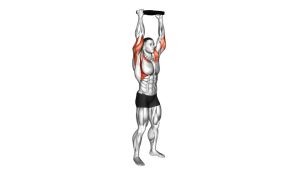
- Reach overhead cleanly: Finish near full elbow extension with the bar stacked above the head and midline of the body.
- Pause briefly: Hold the top for a moment without jamming the shoulders or hyperextending the elbows.
- Lower under control: Bring the bar back down slowly to the upper chest/clavicle area, maintaining posture and tension.
- Repeat smoothly: Keep every rep consistent without bouncing or using momentum.
Pro Tips & Common Mistakes
- Use the EZ bar angle correctly: Choose the angled grip that keeps your wrists stacked and comfortable.
- Don’t lean back too much: Excessive torso lean shifts stress away from the shoulders and makes it look more like an incline press.
- Keep the elbows slightly forward: This usually matches the close-grip setup better than flaring them wide.
- Lower with control: The eccentric phase helps maintain shoulder tension and protects joint position.
- Don’t bounce off the chest: Touching the upper chest lightly is fine, but avoid using rebound to start the next rep.
- Stay out of the neck: Don’t shrug excessively or jam the shoulders upward at lockout.
- Use manageable loads: This variation is excellent when done strictly, not when forced with sloppy momentum.
FAQ
What muscles does the EZ-Bar Seated Close-Grip Shoulder Press work most?
It mainly targets the front delts, with strong assistance from the triceps. The close grip and seated position also make it a very controlled pressing variation.
Why use an EZ bar instead of a straight bar?
Many lifters find the angled handles of the EZ bar more comfortable for the wrists and elbows, especially during pressing variations that would otherwise feel rigid with a straight bar.
Is this better for shoulders or triceps?
It is still primarily a shoulder press, but the close grip increases triceps contribution compared with many wider-grip overhead press variations.
Should I touch the bar to my chest?
You can lower it to the upper chest/clavicle zone if your mobility and structure allow it comfortably. The key is maintaining control and not collapsing posture at the bottom.
Who should be cautious with this exercise?
Anyone with current shoulder impingement symptoms, painful overhead motion, wrist irritation, or poor pressing mobility should start light, shorten the range if needed, and avoid forcing reps.
Recommended Equipment
- EZ Curl Bar — the key tool for this movement, with angled grips that can feel more wrist-friendly
- Adjustable Weight Bench with Back Support — helps create a stable seated pressing position
- Barbell Collars — keeps plates secure and the setup safer during pressing
- Wrist Wraps — useful if you want extra wrist support on heavier sets
- Resistance Bands Set — great for shoulder warm-ups, activation drills, and extra delt volume
Tip: Use equipment that supports clean mechanics first. Better setup and joint comfort usually improve pressing quality more than simply adding load.