Bodyweight Lying Oblique V-Up: Form, Sets, Tips & FAQ
Learn the Bodyweight Lying Oblique V-Up for stronger obliques, better core control, and side-crunch power with form tips, sets, FAQs, and gear.
Bodyweight Lying Oblique V-Up
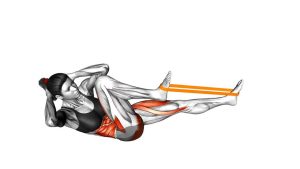
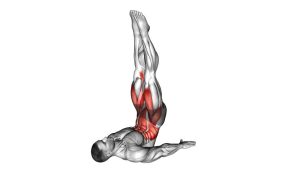
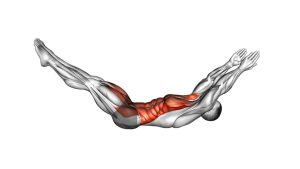
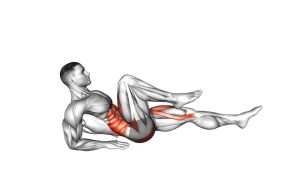
This exercise works best when the torso and legs rise together smoothly. Because the movement is diagonal, it should feel different from a standard crunch. You should feel the side of the waist working as the body folds into a small V shape. However, avoid swinging the legs or yanking the neck because momentum reduces core tension.
Quick Overview
| Body Part | Obliques |
|---|---|
| Primary Muscle | Obliques |
| Secondary Muscle | Rectus abdominis, hip flexors, deep core stabilizers |
| Equipment | No equipment required; optional exercise mat |
| Difficulty | Intermediate |
Sets & Reps (By Goal)
- Core control: 2–3 sets × 8–10 reps per side with a slow, clean tempo.
- Oblique strength: 3–4 sets × 10–15 reps per side with a short squeeze at the top.
- Core endurance: 2–3 sets × 15–20 reps per side while keeping the movement smooth.
- Beginner adaptation: 2 sets × 6–8 reps per side with a smaller range of motion.
Progression rule: Add reps only after you can lift and lower without swinging, collapsing, or losing the diagonal oblique crunch pattern.
Setup / Starting Position
- Lie on one side: Position your body slightly rotated on the floor, with the legs extended and stacked together.
- Set the lower arm: Keep one arm on the floor for light support and balance.
- Place the top arm comfortably: Keep the opposite arm near the head or upper body without pulling on the neck.
- Brace the core: Before lifting, tighten the waist gently so the torso and legs can rise together.
- Start long: Keep the legs straight and the body controlled before beginning the first rep.
Tip: Use a soft mat if your hip or side ribs feel uncomfortable against the floor.
Execution (Step-by-Step)
- Begin from the side-lying position: Keep your legs extended and your torso relaxed but braced.
- Lift diagonally: Raise your upper torso toward your legs while lifting both legs at the same time.
- Create the V shape: Bring the torso and legs closer together without twisting aggressively.
- Squeeze the obliques: Pause briefly at the top and feel the side of the waist contract.
- Lower with control: Return the torso and legs toward the floor slowly instead of dropping down.
- Repeat on one side: Complete the target reps, then switch sides and match the same number of reps.
Pro Tips & Common Mistakes
- Move both halves together: Lift the torso and legs at the same time for better oblique engagement.
- Avoid neck pulling: Keep the head following the torso naturally rather than dragging it forward with the hand.
- Control the lowering phase: The descent matters because it keeps tension on the obliques.
- Keep the legs mostly straight: Slight softness is fine, but excessive bending turns the movement into an easier crunch variation.
- Do not rush reps: Fast reps usually create momentum and reduce the side-core challenge.
- Use a smaller range if needed: Clean partial reps are better than high reps with swinging or back discomfort.
- Train both sides evenly: Match reps on the left and right side to keep your core work balanced.
FAQ
What muscles does the Bodyweight Lying Oblique V-Up work?
It mainly targets the obliques. Additionally, the rectus abdominis, hip flexors, and deep core stabilizers assist during the torso-and-leg lift.
Is the lying oblique V-up beginner-friendly?
It is usually better for intermediate users because both the torso and legs lift together. However, beginners can reduce the range of motion or perform fewer reps per side.
Should my legs stay straight during the exercise?
Your legs should stay mostly straight as shown in the movement pattern. Nevertheless, a slight knee bend is acceptable if it helps you keep control and avoid hip discomfort.
Why do I feel this in my hip flexors?
Some hip flexor involvement is normal because the legs lift from the floor. However, if the hips dominate, slow down, brace harder, and focus on curling the side waist toward the legs.
How do I make the Bodyweight Lying Oblique V-Up harder?
You can pause longer at the top, slow the lowering phase, or add more reps. Even so, avoid adding difficulty until your reps are smooth and balanced on both sides.
Can I do this exercise at home?
Yes. Since it requires no equipment, it works well for home core workouts. For comfort, use an exercise mat or a padded floor surface.
Recommended Equipment (Optional)
- Exercise Mat — adds comfort for side-lying core exercises and protects the hips from hard floors.
- Thick Yoga Mat — useful if you need extra cushioning during repeated side-body reps.
- Core Sliders — helpful for adding other bodyweight core variations to your routine.
- Adjustable Ankle Weights — optional advanced progression once bodyweight reps are controlled.
- Ab Workout Mat — provides support for floor-based abdominal and oblique training.
Tip: Start with bodyweight only. Then, if your technique stays clean, use light progressions rather than rushing into heavy resistance.