Cable Standing Serratus Obliques Crunch: Form, Sets, Tips & FAQ
Learn the Cable Standing Serratus Obliques Crunch for stronger obliques, serratus control, and core stability with setup, form cues, tips, FAQs, and equipment.
Cable Standing Serratus Obliques Crunch
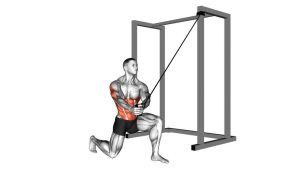
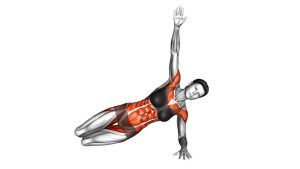
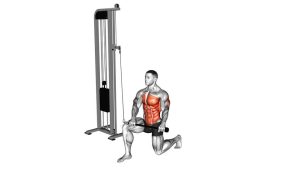
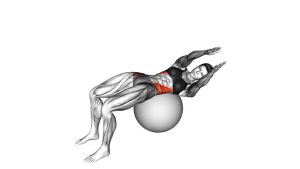
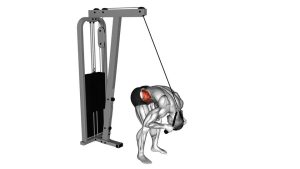
This exercise works best when the movement starts from the ribs rather than the shoulders. First, set a stable stance and create light cable tension. Then, crunch downward by drawing the ribs toward the pelvis while keeping the hips mostly quiet. As a result, the obliques and serratus area perform the main work instead of the arms, traps, or lower back.
Although it looks simple, this cable crunch variation requires strong control. The cable should guide the motion, not drag the body out of position. Therefore, choose a moderate load that lets you feel a clean contraction through the side abs and upper abdominal wall without swinging, twisting aggressively, or collapsing through the spine.
Quick Overview
| Body Part | Core |
|---|---|
| Primary Muscle | Obliques, especially the external obliques during the downward crunch |
| Secondary Muscle | Serratus anterior, rectus abdominis, transverse abdominis, and deep spinal stabilizers |
| Equipment | Cable machine with rope attachment, single handle, or strap attachment |
| Difficulty | Intermediate because it requires cable control, trunk positioning, and strict core mechanics |
Sets & Reps (By Goal)
- Core activation: 2–3 sets × 10–12 reps per side with light-to-moderate resistance.
- Oblique hypertrophy: 3–4 sets × 10–15 reps per side with a controlled 2–3 second lowering phase.
- Strength-focused core training: 3–5 sets × 8–10 reps per side using heavier but still strict resistance.
- Posture and rib-control practice: 2–3 sets × 12–15 reps with lighter weight and a short squeeze at the bottom.
- Finisher work: 2 sets × 15–20 reps per side, only if form stays clean and the lower back does not take over.
Progression rule: Add reps before increasing weight. After your rib path, breathing, and torso control stay consistent, raise the cable load slightly and keep the same smooth tempo.
Setup / Starting Position
- Set the pulley high: Place the cable above head level so the resistance pulls upward and slightly backward.
- Choose your attachment: A rope works well for two-hand control, while a single handle can increase side-specific focus.
- Stand tall near the machine: Position your feet about shoulder-width apart with knees softly bent.
- Create cable tension: Hold the attachment near the upper chest, side of the head, or shoulder line depending on the variation.
- Brace the core: Keep the ribs stacked over the pelvis before starting the crunch.
- Relax the shoulders: Avoid shrugging. The hands should hold the cable, but the torso should create the movement.
- Set your gaze: Look slightly downward or forward so the neck follows the spine naturally.
A strong setup makes the exercise safer and more effective. If the cable pulls you off balance before the first rep, reduce the weight or adjust your stance.
Execution (Step-by-Step)
- Start from a tall brace: Stand firm, keep your ribs down, and hold the cable with steady tension.
- Crunch from the ribs: Begin by drawing the ribcage toward the pelvis. The motion should feel like a controlled abdominal fold, not a hip hinge.
- Guide the cable down: Let your hands travel with the torso, but do not turn the movement into an arm pull.
- Emphasize the side contraction: Slightly angle the crunch toward one hip if you want stronger oblique emphasis.
- Squeeze at the bottom: Pause briefly when the obliques and serratus area feel fully engaged.
- Return with control: Slowly let the torso rise while resisting the cable. Keep tension through the abs during the return.
- Reset before the next rep: Re-stack the ribs over the pelvis, breathe, and repeat without bouncing.
Pro Tips & Common Mistakes
Pro Tips
- Think “ribs to pelvis”: This cue keeps the movement focused on the core instead of the arms.
- Use a short bottom pause: A one-second squeeze improves oblique control and reduces momentum.
- Keep the hips quiet: The torso should flex while the lower body remains stable.
- Control the return: The eccentric phase builds strength and prevents the cable from pulling you upright too fast.
- Breathe naturally: Exhale as you crunch down, then inhale as you return to the start position.
- Train both sides evenly: Match reps, load, and tempo on each side to avoid uneven core development.
Common Mistakes
- Pulling with the arms: This reduces core tension and shifts the work to the shoulders.
- Using too much weight: Heavy loads often cause swinging, rounding without control, or lower-back compensation.
- Turning it into a squat: Bending the knees too much can hide poor trunk movement.
- Over-rotating: A small angled crunch is useful, but excessive twisting can reduce control.
- Letting the cable snap back: A fast return increases strain and removes tension from the target muscles.
- Shrugging the shoulders: Keep the neck long and the traps relaxed throughout every rep.
FAQ
What muscles does the Cable Standing Serratus Obliques Crunch work?
It mainly targets the obliques. In addition, it trains the serratus anterior, rectus abdominis, transverse abdominis, and deep core stabilizers. The exact emphasis depends on your cable angle, torso path, and how much you angle the crunch toward one hip.
Is this exercise better than a regular cable crunch?
It is not automatically better, but it is more specific for oblique and rib-control training. A regular cable crunch usually emphasizes the rectus abdominis more directly. Meanwhile, this variation adds a stronger side-core and serratus component when performed with a slight diagonal crunch.
Should I go heavy on this exercise?
Use enough weight to feel resistance, but not so much that you pull with your arms or lose balance. For most lifters, moderate weight with strict tempo works better than heavy weight with sloppy movement.
Where should I feel the exercise?
You should feel tension through the side of the core, upper abdominal wall, and rib area. However, you should not feel sharp pressure in the lower back, pinching in the spine, or dominant shoulder strain.
Can beginners do the Cable Standing Serratus Obliques Crunch?
Beginners can perform it with light resistance, but they should first learn basic cable crunch mechanics and standing bracing. If balance or coordination feels difficult, start with a kneeling cable crunch or a bodyweight side crunch.
How do I make the exercise more effective?
Slow down the return phase, keep the hips still, and pause briefly at the bottom. Additionally, keep your hands as guides rather than using them to pull the cable down.
Recommended Equipment
- Cable Machine Rope Attachment — ideal for two-hand control during standing cable crunch variations.
- Single D-Handle Cable Attachment — useful for unilateral oblique work and cleaner side-specific crunching.
- Cable Strap Attachment — offers a softer grip option and can help with different cable angles.
- Weightlifting Gloves — improves grip comfort when using cable attachments for higher-rep core sets.
- Adjustable Cable Machine — helpful for home gyms and adjustable pulley core exercises.
Tip: Choose equipment that allows smooth cable motion. If the attachment feels awkward or forces your shoulders to dominate, switch to a rope or lighter handle.