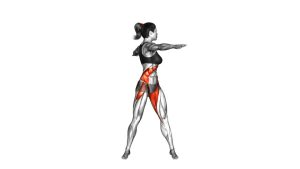
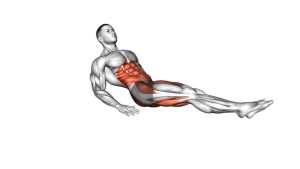
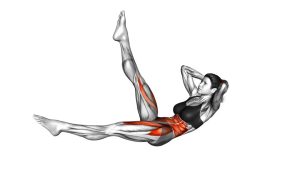
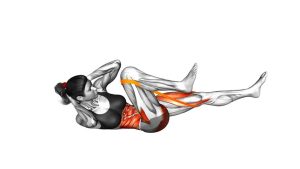
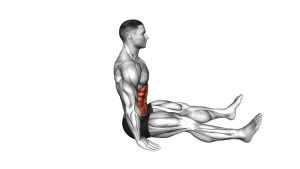
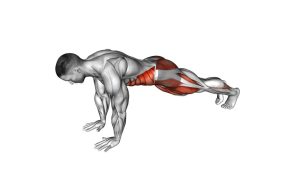
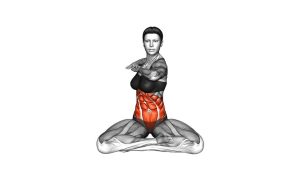
Lying Twist Toe Touch: Oblique Core Exercise, Form, Sets & Tips
Learn the Lying Twist Toe Touch to train obliques, upper abs, and core control with proper form, sets, mistakes, FAQs, and equipment tips.
Lying Twist Toe Touch
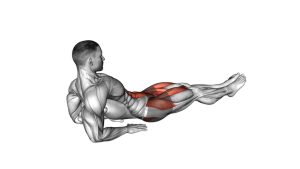
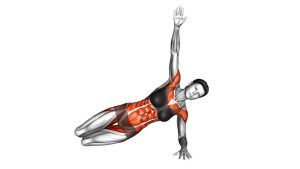
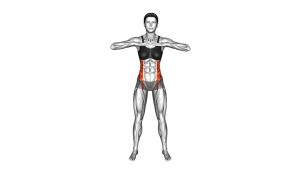
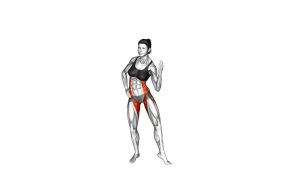
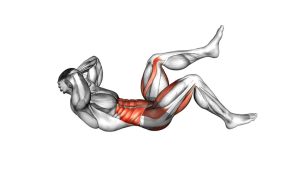
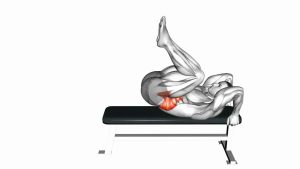
This exercise works best when each repetition is controlled and precise. Because the legs stay lifted as a stable target, the core must work to keep the pelvis steady while the upper body rotates. As a result, the movement can build strong abdominal coordination without requiring weights or machines.
Quick Overview
| Body Part | Core |
|---|---|
| Primary Muscle | Obliques |
| Secondary Muscle | Rectus abdominis, transverse abdominis, hip flexors, deep core stabilizers |
| Equipment | None required; optional exercise mat |
| Difficulty | Beginner to Intermediate |
Sets & Reps (By Goal)
- Core control: 2–3 sets × 8–10 reps per side with a slow return to the floor.
- Oblique endurance: 3–4 sets × 12–16 alternating reps with steady breathing.
- Ab workout finisher: 2–3 sets × 20–30 total reps using a smooth left-right rhythm.
- Beginner practice: 2 sets × 6–8 reps per side with knees slightly bent if needed.
Progression rule: First improve control, then increase reps. Additionally, keep the legs stable before adding more speed or volume.
Setup / Starting Position
- Lie on your back: Place your body flat on the floor or on an exercise mat.
- Raise your legs: Extend both legs upward so they are close to vertical.
- Brace your core: Keep your ribs controlled and avoid excessive arching in the lower back.
- Prepare your arms: Reach your arms upward or keep them ready to move diagonally toward the opposite foot.
- Relax your neck: Keep the chin slightly tucked and avoid pulling the head forward.
Tip: If straight legs feel too demanding, slightly bend your knees while keeping the same twisting reach pattern.
Execution (Step-by-Step)
- Start from the floor: Keep both legs lifted and steady while your upper back rests on the ground.
- Lift and rotate: Curl your shoulders off the floor and twist your torso toward one side.
- Reach diagonally: Move one hand toward the opposite foot or toes without forcing the range.
- Squeeze briefly: Pause at the top and feel the obliques working through the rotation.
- Lower with control: Return your shoulders back to the floor instead of dropping quickly.
- Alternate sides: Repeat the same motion to the other side, reaching toward the opposite foot.
Pro Tips & Common Mistakes
- Rotate through the trunk: Do not simply reach with the arm. Instead, lift the shoulder and twist the rib cage.
- Control the legs: Keep the legs steady so the abs work harder to stabilize the pelvis.
- Avoid neck pulling: Lead with the chest and shoulder, not the chin.
- Do not rush the return: Lower slowly because the eccentric phase builds control.
- Keep the lower back calm: If your back arches heavily, bend the knees or reduce the range.
- Breathe with rhythm: Exhale as you reach up and inhale as you return to the floor.
- Use a clean diagonal line: Reach across the body toward the opposite foot, not straight upward.
FAQ
What muscles does the lying twist toe touch work?
The exercise mainly targets the obliques. Additionally, it works the upper abs, deep core stabilizers, and hip flexors because the legs stay lifted during the movement.
Is the lying twist toe touch good for beginners?
Yes, it can be beginner-friendly when performed slowly. However, beginners may bend the knees slightly or reduce the reach until the core feels stable.
Should I touch my toes every rep?
Touching the toes is not required. The main goal is to rotate and reach with control. If you cannot touch the foot without straining, reach toward it instead.
Why do I feel this in my neck?
Neck tension usually happens when the head pulls forward too hard. To fix it, keep the chin gently tucked, lift from the upper back, and reduce the height of the crunch.
How can I make the exercise harder?
You can slow the lowering phase, add more reps, hold the top position briefly, or keep the legs straighter. However, only progress when your legs stay stable and your lower back stays controlled.
Recommended Equipment (Optional)
- Thick Exercise Mat — supports your spine and hips during lying core exercises.
- Non-Slip Yoga Mat — helps keep your body steady while alternating side-to-side.
- Adjustable Ankle Weights — optional advanced tool for adding lower-body resistance.
- Core Sliders — useful for pairing this move with other core stability drills.
- Workout Interval Timer — helps structure timed ab circuits and controlled rest periods.
Tip: Equipment is optional for this exercise. For best results, master the bodyweight version before adding extra resistance.