Hanging Oblique Knee Raise: Form, Benefits, Sets, Tips & FAQ
Learn the Hanging Oblique Knee Raise to build stronger obliques, abs, grip, and core control with proper form, sets, tips, mistakes, FAQs, and gear.
Hanging Oblique Knee Raise
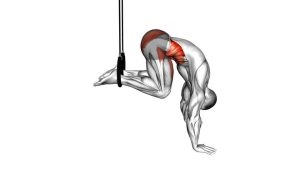
This exercise works best when every rep is slow, controlled, and driven by the core. The goal is not to swing the legs upward. Instead, you should hang tall, brace your midsection, bend the knees, and guide them toward one side of your body with a smooth oblique crunch. At the top, pause briefly before lowering with control. A clean rep should feel strong through the side of the waist, lower abs, hip flexors, and grip.
Quick Overview
| Body Part | Obliques |
|---|---|
| Primary Muscle | Obliques |
| Secondary Muscle | Rectus abdominis, hip flexors, transverse abdominis, lats, forearms, and shoulder stabilizers |
| Equipment | Pull-up bar, captain’s chair, or hanging knee raise station |
| Difficulty | Intermediate |
Sets & Reps (By Goal)
- Core strength: 3–4 sets × 6–10 reps per side with a controlled 2–3 second descent.
- Muscle endurance: 2–4 sets × 10–15 reps per side using a steady, smooth tempo.
- Beginner progression: 2–3 sets × 5–8 reps per side with bent knees and a shorter range.
- Advanced control: 3–5 sets × 8–12 reps per side with a 1–2 second pause at the top.
- Core finisher: 2–3 rounds of 20–30 total alternating reps after your main workout.
Progression rule: Increase control before increasing reps. Once you can lift, twist, pause, and lower without swinging, progress by adding more reps, longer pauses, slower eccentrics, or straighter legs.
Setup / Starting Position
- Grip the bar: Hold a pull-up bar with an overhand grip, slightly wider than shoulder width.
- Set your shoulders: Pull the shoulders slightly down and away from the ears. Avoid hanging completely loose.
- Control your body: Keep the ribs stacked over the pelvis and prevent the lower back from over-arching.
- Start with legs together: Let your legs hang straight down, then lightly brace your abs before lifting.
- Prepare the twist: Choose one side first. Think about bringing your knees diagonally toward the outside of your rib cage.
Tip: If your grip fails before your abs, use a captain’s chair or hanging arm straps until your grip strength improves.
Execution (Step-by-Step)
- Begin from a stable hang: Keep your arms long, shoulders active, and body still before the first rep.
- Bend your knees: Start the movement by flexing at the hips and drawing your knees upward.
- Rotate toward one side: As the knees rise, guide them diagonally toward one side of your torso.
- Squeeze the obliques: Pause briefly at the top and feel the side of your waist contract.
- Lower slowly: Return your legs to the starting position without dropping or swinging.
- Repeat on the other side: Alternate sides or complete all reps on one side before switching.
Pro Tips & Common Mistakes
- Do not swing: Momentum reduces core tension and turns the exercise into a leg-swinging drill.
- Lead with your knees: Raise the knees toward the side of the torso instead of kicking the feet upward.
- Use a small twist: Rotate enough to target the obliques, but do not over-twist the lower back.
- Control the bottom: Avoid relaxing completely at the bottom. Reset with tension before the next rep.
- Keep shoulders active: Lightly depress the shoulders to protect the shoulder joints while hanging.
- Breathe with control: Exhale as the knees rise. Inhale as you lower back to the starting position.
- Match both sides: Train left and right evenly. Do not rush the weaker side.
- Reduce range when needed: A shorter clean rep is better than a high, swinging rep.
FAQ
What muscles does the Hanging Oblique Knee Raise work?
The main target is the obliques. The movement also trains the rectus abdominis, lower abs, hip flexors, transverse abdominis, lats, shoulder stabilizers, and forearms because you must hang and control your body during every rep.
Is the Hanging Oblique Knee Raise good for building abs?
Yes. It is excellent for building core strength because it combines hip flexion, anti-swing control, and rotational trunk tension. For visible abs, combine it with full-body strength training, progressive overload, enough protein, and a nutrition plan that supports fat loss when needed.
Should I alternate sides or finish one side first?
Both methods work. Alternating sides is useful for rhythm and balanced control. Completing all reps on one side can increase local oblique fatigue and help you focus on one side at a time.
Why do I swing during hanging oblique knee raises?
Swinging usually happens because the knees are lifted too fast, the descent is uncontrolled, or the shoulders are too relaxed. Slow the tempo, pause at the bottom, brace your abs, and use a smaller range until control improves.
Can beginners do the Hanging Oblique Knee Raise?
Beginners can do a modified version, but they should first build comfort with dead hangs, captain’s chair knee raises, and standard hanging knee raises. Once those feel controlled, they can add a small diagonal knee path to target the obliques.
What is the best tempo for this exercise?
A good tempo is 1–2 seconds up, a short pause at the top, and 2–3 seconds down. The slower lowering phase helps reduce swinging and keeps more tension on the abs and obliques.
Recommended Equipment
- Pull-Up Bar — essential for hanging knee raise variations at home or in a garage gym.
- Hanging Ab Straps — helpful if grip fatigue limits your core training before your abs are fully challenged.
- Grip Strengthener — useful for improving hanging endurance and forearm strength.
- Liquid Chalk — improves grip security during hanging core exercises.
- Captain’s Chair / Power Tower — a stable option for knee raises, leg raises, dips, and bodyweight core training.
Tip: Choose equipment that lets you train with control. If your grip, shoulders, or setup forces you to swing, use ab straps or a captain’s chair until your hanging strength improves.