Bodyweight Pulse Squat: Proper Form, Muscles & Tips
Learn the Bodyweight Pulse Squat with step-by-step form, muscles worked, sets by goal, common mistakes, and tips to build stronger quads and glutes at home.
Bodyweight Pulse Squat
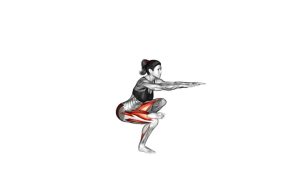
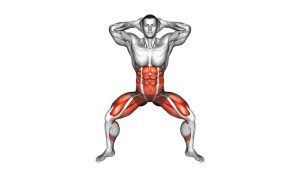
The Bodyweight Pulse Squat challenges your lower-body muscles by extending the time spent under tension. Instead of immediately standing after reaching squat depth, you remain low and perform several small upward and downward movements. Consequently, the quadriceps and glutes must repeatedly control the hips and knees without receiving a complete break between pulses.
Furthermore, the exercise encourages better squat awareness, muscular coordination, and controlled movement through a challenging joint position. Both feet remain planted, while the arms extend forward to help maintain balance. Although the pulses are small, they can become demanding when performed slowly. Therefore, prioritize controlled movement rather than excessive speed or depth.
Quick Overview
| Body Part | Legs |
|---|---|
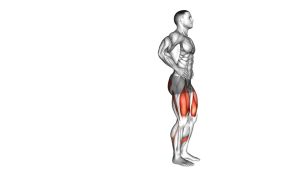
| Primary Muscle | Quadriceps (rectus femoris, vastus lateralis, vastus medialis, and vastus intermedius) |
| Secondary Muscle | Gluteus maximus, adductor magnus, hamstrings, calves, and core stabilizers |
| Equipment | None — bodyweight only |
| Difficulty | Beginner to Intermediate, depending on squat depth, pulse duration, strength, and mobility |
Sets & Reps (By Goal)
- Strength foundation: Perform 3–4 sets of 6–10 controlled repetitions, using 2–3 short pulses per repetition. Rest 60–90 seconds between sets. Focus on stable knee alignment and a deliberate return to standing.
- Hypertrophy (muscle growth): Complete 3–4 sets of 10–15 repetitions with 2–3 pulses per repetition. Additionally, use a slow tempo to increase muscular tension. Rest approximately 60–90 seconds between sets.
- Muscular endurance: Perform 2–4 sets of 30–45 seconds of controlled pulses. Keep the hips near the lower squat position throughout. Meanwhile, maintain steady breathing and rest 45–75 seconds between sets.
- Mobility and movement control: Start with 2–3 sets of 5–8 repetitions using a comfortable squat depth. Perform 2 small pulses per repetition, emphasizing balance, smooth transitions, and consistent foot pressure.
- Rehab-style control: If cleared by a qualified professional, begin with 1–2 sets of 5–6 shallow repetitions. Use a reduced range and slow tempo. However, avoid prolonged holds or deep pulses if they aggravate symptoms.
Progression rule: For repetition-based sets, one repetition means lowering into a squat, performing the prescribed small pulses, and returning to standing. First, develop reliable balance and knee control. Then gradually increase repetitions, pulse duration, or sets. Once the movement becomes easy, additional resistance can provide a greater strength-building challenge.
Setup / Starting Position
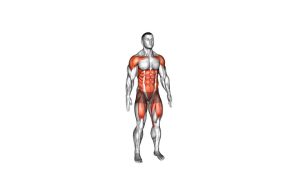
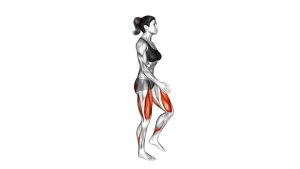
- Establish your stance: Stand with both feet approximately shoulder-width apart. Point your toes slightly outward if comfortable. Keep your weight distributed across both feet. Additionally, choose a firm, level, non-slip surface.
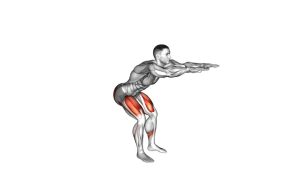
- Extend your arms forward: Raise both arms to approximately shoulder height, keeping them straight or slightly relaxed at the elbows. This position provides a counterbalance as the hips move backward during the squat.
- Engage your core: Gently brace your abdominal muscles while keeping your ribs stacked over your pelvis. Maintain a naturally aligned spine and relaxed shoulders. Meanwhile, look forward rather than sharply upward or downward.
- Prepare your hips and knees: Begin bending your knees while moving your hips backward and downward. Allow the torso to lean forward naturally as needed for balance. However, avoid rounding the lower back or collapsing the chest.
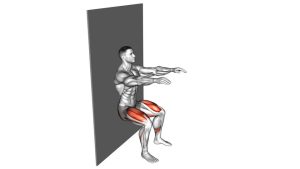
- Find your comfortable squat depth: Lower until your thighs approach parallel with the floor, or stop earlier if your mobility requires it. Keep both feet stable and your knees aligned with your toes. From this position, prepare to begin the controlled pulses.
Setup tip: If maintaining balance feels difficult, begin with a shallower squat. Additionally, slow the descent and concentrate on keeping your feet firmly supported before attempting deeper pulses.
Execution (Step-by-Step)
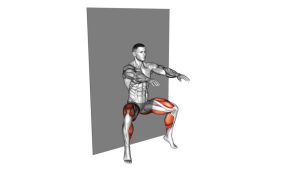
- Lower into the squat: Bend your hips and knees together, moving downward with control. Keep your arms extended forward, your torso stable, and both feet planted. Continue until you reach a comfortable lower squat position.
- Establish the bottom position: Maintain tension through the quadriceps and glutes without relaxing at the bottom. Keep your knees tracking with your toes. Additionally, avoid shifting your body weight excessively onto the toes or heels.
- Perform the first upward pulse: Push gently through your feet and extend your knees and hips only a short distance. Your body should rise slightly without approaching a full standing position. Therefore, keep the movement intentionally small.
- Lower back into the pulse: Bend your knees and hips again, returning to the previous squat depth. Rather than dropping quickly, control the downward phase through your leg muscles. Avoid bouncing from the bottom position.
- Continue the controlled pulses: Repeat the small vertical movements while remaining in the lower portion of the squat. Meanwhile, keep your arms forward and your torso relatively stable. Breathe steadily and maintain consistent muscular tension throughout the sequence.
- Return to standing: After completing the prescribed pulses, push evenly through both feet and gradually straighten your hips and knees. Finish upright without leaning backward or locking your knees aggressively. Finally, reset your posture before beginning the next repetition.
Pro Tips & Common Mistakes
- Keep the pulses small and controlled: Avoid rising too high between pulses. Instead, remain in the lower squat range to maintain consistent muscular tension.
- Maintain proper knee alignment: Allow your knees to track naturally in the direction of your toes. Furthermore, avoid letting either knee collapse inward during the upward or downward phase.
- Keep both feet stable: Distribute pressure across the heel, big-toe base, and little-toe base. If your heels rise unintentionally, reduce squat depth and reassess your ankle mobility.
- Avoid bouncing at the bottom: The pulses should come from controlled hip and knee movement, not uncontrolled momentum. Consequently, use a deliberate tempo rather than rapidly dropping into each repetition.
- Maintain a stable torso: Keep your spine naturally aligned and your abdominal muscles engaged. Although some forward lean is normal, excessive rounding or repeated torso swinging can reduce movement control.
- Control your breathing: Avoid holding your breath throughout a long pulse set. Instead, breathe rhythmically while maintaining gentle abdominal tension. Exhale naturally during the more demanding portions of the movement.
- Progress gradually: Begin with fewer pulses and a manageable squat depth. Then increase total repetitions or time under tension as your control improves. However, prioritize proper technique over longer sets or added resistance.
Training tip: Bodyweight Pulse Squats can complement regular squats, lunges, and other lower-body exercises. For example, they can be used near the end of a leg workout to emphasize muscular endurance. Nevertheless, full-range strength exercises remain important for balanced lower-body development.
FAQ
Technique and Muscle Activation
What muscles does the Bodyweight Pulse Squat work?
The Bodyweight Pulse Squat primarily trains the quadriceps, which help control knee bending and straightening. Additionally, the gluteus maximus contributes to hip extension as the body rises.
The adductors, calves, hamstrings, and abdominal muscles also contribute to movement control and stabilization. Because the exercise emphasizes repeated pulses in a bent-knee position, the quadriceps remain active for an extended period. However, the amount of muscular involvement varies with squat depth, technique, and individual anatomy.
How is a Pulse Squat different from a regular bodyweight squat?
A regular bodyweight squat generally involves lowering into a squat and then returning directly to standing. In contrast, a Pulse Squat includes several short movements near the bottom position before the final upward extension.
As a result, the working muscles spend more time under continuous tension within a smaller movement range. Although both exercises train similar muscle groups, the pulse variation places greater emphasis on controlled partial-range movement and local muscular endurance.
Programming, Progression, and Safety
Are Bodyweight Pulse Squats suitable for beginners?
Yes, beginners can perform Bodyweight Pulse Squats when they have sufficient balance and basic squat control. However, starting with a shallow range is often more manageable than immediately attempting deep, prolonged pulses.
First, practice ordinary bodyweight squats to establish comfortable hip and knee movement. Next, introduce two small pulses near the bottom of each repetition. Once your technique remains consistent, gradually increase the number of pulses. Additionally, take longer rest periods if your leg muscles fatigue quickly.
How many Pulse Squats should I perform per workout?
Your training volume should depend on your goal, experience, and ability to maintain proper form. For example, beginners may start with 2–3 sets of 6–10 repetitions, including two small pulses per repetition.
Meanwhile, muscular endurance workouts may use timed sets of 30–45 seconds. More experienced exercisers can gradually increase repetitions or pulse duration. Nevertheless, every set should end before fatigue causes uncontrolled bouncing, poor knee alignment, or excessive lower-back movement.
Can Bodyweight Pulse Squats help build stronger legs and glutes?
Yes, Bodyweight Pulse Squats can contribute to leg strength development and muscular endurance, particularly for beginners or individuals returning to regular training. Furthermore, the exercise provides a practical way to challenge the quadriceps and glutes without external equipment.
However, bodyweight pulses alone may eventually provide insufficient resistance for continued strength or muscle growth. Therefore, combine them with progressive lower-body training when appropriate. Regular squats, lunges, step-ups, and appropriately loaded exercises can complement pulse squats while training the legs through additional movement ranges.
Recommended Equipment
- Fit Simplify Resistance Loop Exercise Bands — useful for optional resistance-band squat variations, glute activation, and additional lower-body training
- Non-Slip Training Shoes — provide a stable base and reliable traction when performing controlled squats on a firm floor
- ZELUS Weighted Vest — offers optional additional resistance for experienced exercisers who have already mastered bodyweight squat technique
- Squat Wedge Blocks — provide an optional heel-elevated squat variation, which may help some exercisers achieve a comfortable squat position
- Amazon Basics High-Density Foam Roller — useful for optional post-workout self-massage and general lower-body mobility routines
Equipment tip: The Bodyweight Pulse Squat requires no equipment. Therefore, prioritize proper movement technique before purchasing additional training accessories. Resistance bands, weighted vests, and squat wedges are optional tools rather than requirements. Furthermore, choose footwear and surfaces that provide stable footing. Use additional resistance only when your squat depth, balance, and knee control remain consistent.