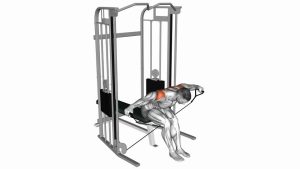
Cable Incline Rear Delt Fly with Back Support: Form, Muscles Worked, Sets & Tips
Learn how to do the Cable Incline Rear Delt Fly with Back Support with proper form. Discover muscles worked, setup, step-by-step execution, sets and reps by goal, common mistakes, FAQs, and recommended equipment.
Cable Incline Rear Delt Fly with Back Support
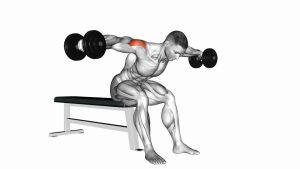
This exercise is excellent for lifters who want more rear delt development, better shoulder balance, and improved upper-back posture. Because the bench supports your torso, it becomes easier to perform each rep with precision and keep tension where it belongs. The goal is to move the arms out and back in a wide fly pattern while keeping the chest stable against the bench and avoiding shrugging.
Quick Overview
| Body Part | Rear Shoulders |
|---|---|
| Primary Muscle | Rear deltoids |
| Secondary Muscle | Rhomboids, middle trapezius, rotator cuff stabilizers |
| Equipment | Cable machine, adjustable incline bench, single handles |
| Difficulty | Beginner to Intermediate |
Sets & Reps (By Goal)
- Muscle growth: 3–4 sets × 10–15 reps with controlled tempo and 45–75 sec rest
- Shoulder balance / accessory work: 2–4 sets × 12–20 reps with light-to-moderate weight
- Warm-up activation: 2–3 sets × 12–15 reps using very light resistance and perfect form
- Posture-focused training: 2–3 sets × 15–20 reps with a pause at peak contraction
Progression rule: Increase reps first, then load in small steps. Keep the movement strict and smooth—rear delt work responds better to control than to heavy cheating.
Setup / Starting Position
- Set the bench: Place an adjustable bench at roughly a 45–60° incline with your back supported against it.
- Adjust the cables: Set the cable handles around chest height or slightly below, depending on your machine and comfort.
- Sit firmly: Plant your feet flat on the floor and keep your torso fully supported by the bench.
- Grab the handles: Start with the handles in front of your chest, arms extended forward with a soft bend in the elbows.
- Set your shoulders: Keep your chest up, neck neutral, and shoulders down—avoid shrugging before the rep even starts.
Tip: A slight elbow bend should stay consistent from start to finish. Do not lock the arms straight.
Execution (Step-by-Step)
- Brace and stay tall: Keep your upper back in contact with the bench and your core lightly engaged.
- Open the arms outward: Pull the handles out to the sides in a wide arc, thinking about spreading the arms rather than rowing.
- Lead with the upper arms: Let the elbows travel outward while keeping the bend in the elbows nearly unchanged.
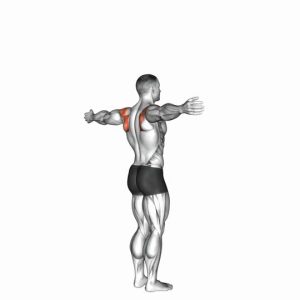
- Squeeze at the top: When your arms reach a “T” position or slightly behind your torso, pause briefly and contract the rear delts.
- Lower under control: Return the handles slowly to the front without letting the weight yank your shoulders forward.
- Repeat smoothly: Maintain the same path and tempo on every repetition.
Pro Tips & Common Mistakes
- Think “open,” not “pull”: A rear-delt fly should feel like you are spreading the arms apart, not dragging the handles backward like a row.
- Keep the bench contact: Staying supported helps prevent torso rocking and lower-back compensation.
- Use moderate loads: Rear delts respond well to clean reps and longer tension, not sloppy heavy weight.
- Avoid shrugging: If your traps take over, pull your shoulders down and reduce the resistance.
- Don’t over-bend the elbows: Too much elbow bend can shift tension away from the rear delts.
- Control the eccentric: The lowering phase is where a lot of the muscle-building benefit happens.
- Stay pain-free: Rear delt work should feel challenging in the shoulders and upper back, not sharp or pinchy in the joint.
FAQ
What muscles does the Cable Incline Rear Delt Fly with Back Support work?
It primarily targets the rear deltoids. Secondary muscles include the rhomboids, middle traps, and smaller stabilizers around the shoulder joint.
Why use back support for this rear delt fly?
Back support reduces body swing and makes the exercise more strict. That helps you isolate the rear delts more effectively and lowers the chance of using momentum.
Is this better than dumbbell rear delt flyes?
Neither is always better, but cables provide more constant tension through the range of motion. The bench-supported setup also helps many lifters keep form cleaner than with dumbbells.
How heavy should I go on this exercise?
Use a weight that lets you keep the movement smooth, controlled, and focused on the rear delts. If you need to jerk the weight or shrug hard, it is too heavy.
Can beginners do this exercise?
Yes. It is beginner-friendly as long as the weight is light enough and the setup is adjusted properly. The bench support actually makes learning the movement easier for many people.
Recommended Equipment
- Adjustable Weight Bench — needed to create the incline back-support position and improve exercise stability
- Cable Machine Single Handles — helpful for a comfortable grip and smoother cable fly motion
- Weightlifting Gloves — can improve grip comfort during higher-rep rear delt work
- Resistance Bands Set — useful for rear-delt activation drills and shoulder warm-ups outside the cable machine
- Foam Roller — useful for upper-back mobility work that can support better shoulder positioning
Tip: Choose accessories that improve setup quality and shoulder comfort, not just heavier loading.